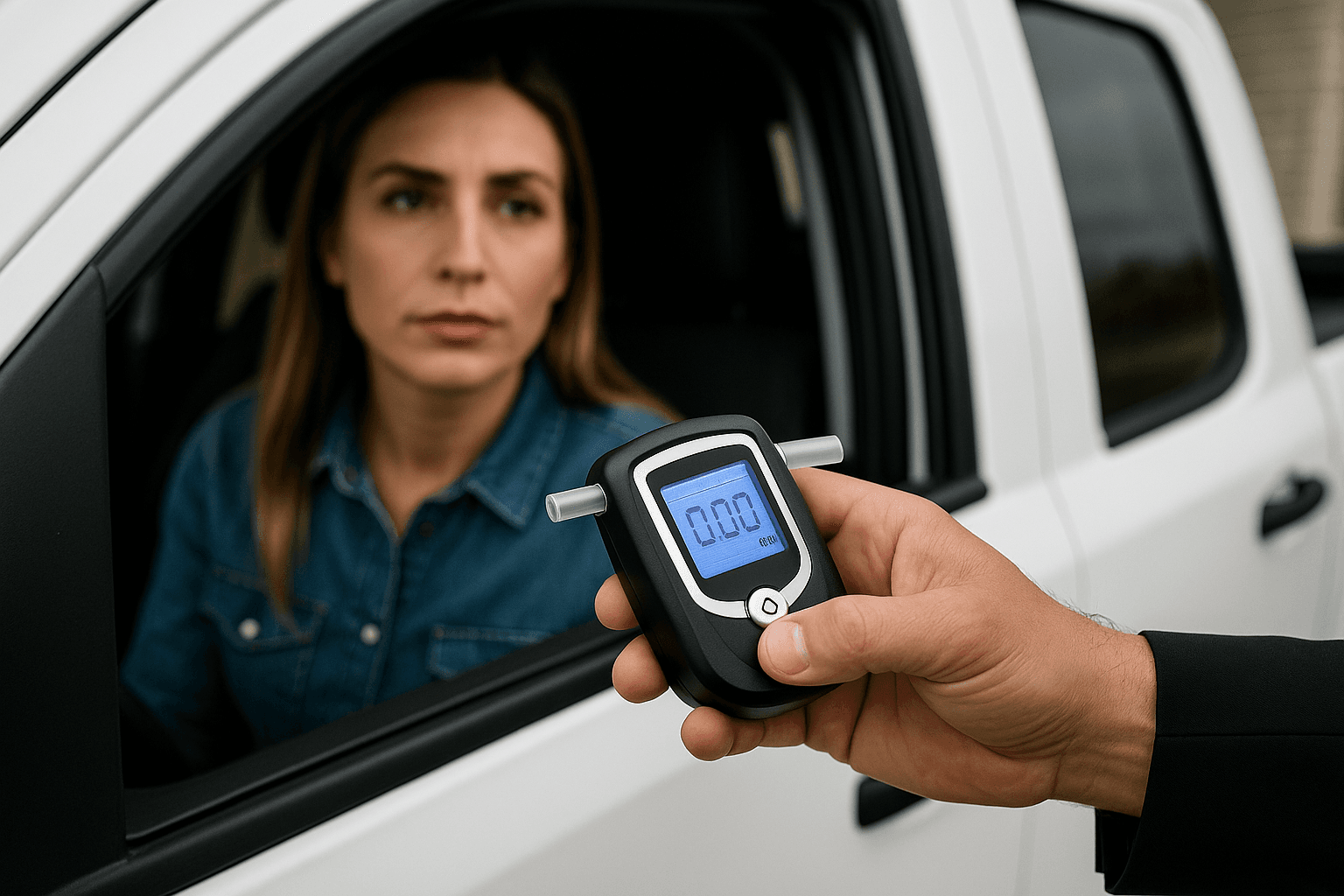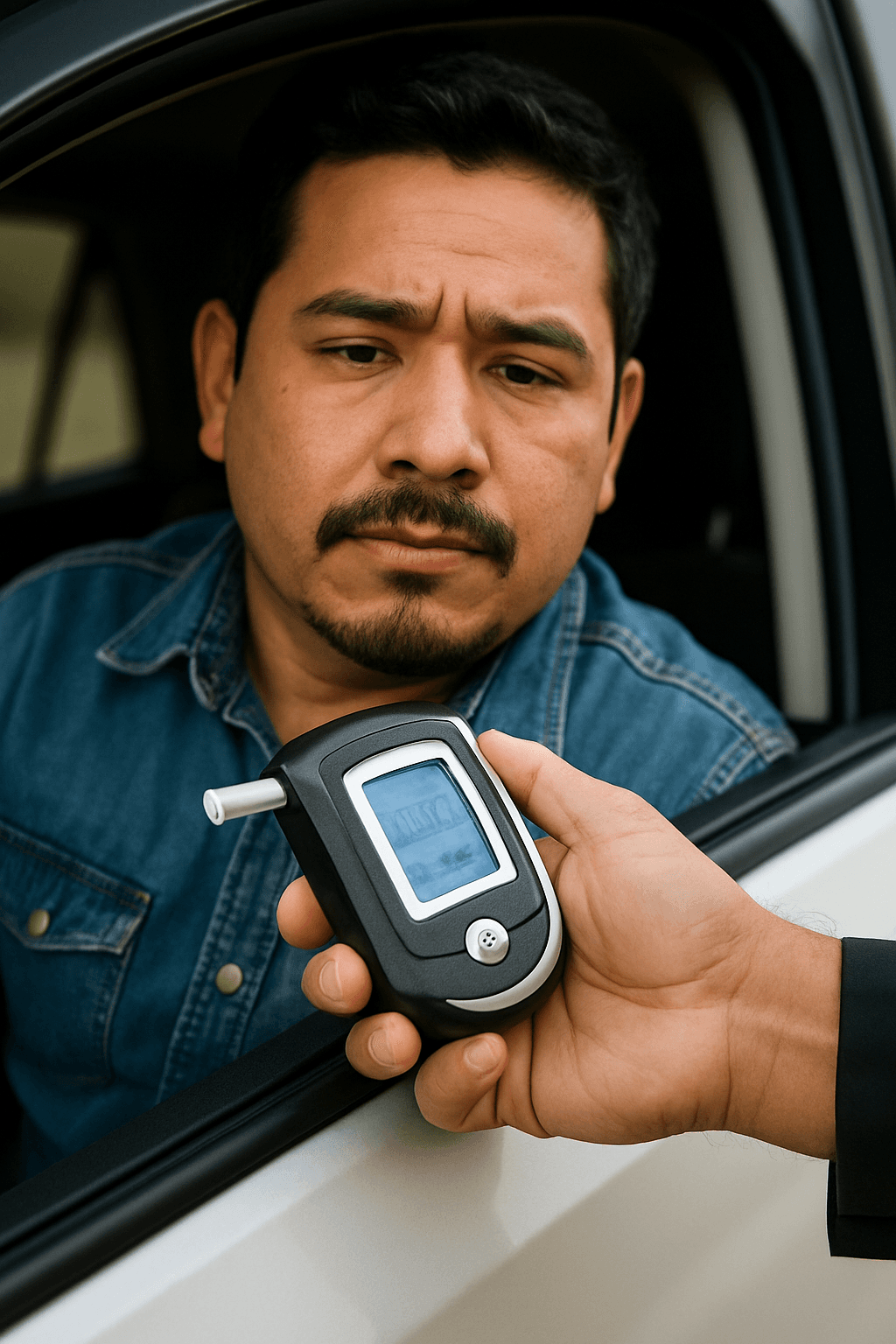
Arizona judges order ignition interlock devices on most DUI restricted licenses—installation runs $70–$150, monthly monitoring $60–$90, and removal $50–$100. Here's the full cost breakdown before your hardship hearing.
What IID Installation Actually Costs in Arizona
Installation fees in Arizona run $70–$150 depending on provider and vehicle type. Most providers charge toward the higher end ($120–$150) for vehicles manufactured after 2015 due to advanced electrical systems that require additional calibration time. Diesel engines, commercial vehicles, and motorcycles typically hit the $150 ceiling.
Arizona law requires state-certified providers only—LifeSafer, Smart Start, and Intoxalock dominate the market. The provider list changes periodically; verify current certification through the Arizona Department of Transportation Motor Vehicle Division before scheduling installation. Using a non-certified provider voids your restricted license eligibility and delays your reinstatement.
Installation appointments typically take 60–90 minutes. You cannot drive the vehicle off the lot until the technician completes calibration and submits confirmation to ADOT. Schedule installation at least 3 business days before your restricted license application appointment—ADOT requires proof of installation on file before processing your paperwork.
Monthly Monitoring Fees and Calibration Costs
Monthly monitoring runs $60–$90 in Arizona, billed separately from installation. This fee covers device lease, data reporting to ADOT and the court, and 24/7 customer support. Most providers bill monthly in advance—expect your first invoice within 48 hours of installation.
Calibration appointments are required every 30–60 days depending on your court order. Each calibration costs $0–$20 as a standalone fee, but many providers roll calibration into the monthly monitoring rate. Missed calibration appointments trigger a lockout after 5–7 days and generate a violation report to the court, which can revoke your restricted license immediately.
Camera-equipped devices cost an additional $10–$25 per month. Arizona courts order camera monitoring in roughly 40% of DUI restricted license cases, particularly for drivers with BAC over 0.15 or prior alcohol-related offenses. The camera captures each breath test to confirm the driver's identity. You cannot downgrade from camera to non-camera mid-term without court approval.
Compare car insurance rates in your state
Get quotes from licensed carriers — no obligation, no spam, results in minutes.
Get Your Free Quote✓ No Obligation Required✓ Licensed Carriers Only✓ Available Nationwide✓ Free to Compare
IID Removal Fees and Final Compliance Costs
Removal fees run $50–$100 in Arizona. The technician uninstalls the device, restores factory wiring, and submits a completion certificate to ADOT. You cannot remove the device yourself—even after your court-ordered period ends—without triggering a violation that extends your requirement.
ADOT charges a $20 administrative fee to process the IID completion certificate and update your driving record. This fee is separate from the provider's removal charge. Your restricted license remains restricted until ADOT receives both the removal certificate and confirmation that your SR-22 filing is still active.
Violation removal fees add $75–$150 if you triggered lockout events during your monitoring period. Arizona providers charge this fee to clear failed breath tests, missed calibrations, or tamper alerts from your compliance record before submitting final certification. Courts review violation logs during restricted license renewal hearings—multiple violations often result in extension of your IID requirement by 6–12 months.
Total Cost Over Your Required Period
A 12-month IID requirement in Arizona costs $1,000–$1,400 total: $120 installation, $75/month monitoring ($900 over 12 months), $75 removal, and $20 ADOT processing. Add $120–$300 annually if your device includes camera monitoring.
Arizona judges typically order 6-month minimums for first-offense DUI restricted licenses, 12 months for BAC over 0.15 or refusal cases, and 18–24 months for second offenses. Your court order states the exact duration—this is non-negotiable and does not shorten even if you complete alcohol treatment early or maintain perfect compliance.
Budget an additional $200–$400 for potential violation fees during your monitoring period. Failed start attempts due to mouthwash, medication, or environmental contamination trigger $25–$50 retest fees. Missed calibration appointments cost $50–$75 to reinstate after lockout. These fees are billed separately from monthly monitoring and are due before the provider will restore device function.
How IID Requirements Affect Your SR-22 Insurance Cost
Arizona restricted licenses require SR-22 filing for the entire duration of your IID monitoring period plus 12 months after removal. If you're on a 12-month IID order, expect 24 months minimum SR-22 filing—12 months with the device installed, 12 months after removal.
SR-22 insurance premiums for Arizona drivers with DUI restricted licenses run $180–$350/month depending on age, violation details, and coverage level. Carriers writing Arizona SR-22 + IID policies include Direct Auto, Bristol West, Dairyland, and GAINSCO. Not all non-standard carriers will write policies for active IID monitoring—expect 30–40% of quotes to decline or require manual underwriting.
The IID requirement itself does not increase your SR-22 premium, but the underlying DUI violation does. Arizona treats IID as a sentencing condition, not a separate violation. Your premium reflects the DUI charge, BAC level, and whether you refused testing—not the device. Removing the IID after your court period ends does not reduce your premium until your SR-22 filing period expires.
Payment Plans and Cost Assistance Programs
Most Arizona IID providers offer payment plans that split installation costs into 2–3 monthly installments. Monthly monitoring fees cannot be financed—these are due in advance each billing cycle. Missed payments trigger device lockout within 5–7 days and generate court violation reports.
Arizona's Indigent Interlock Fund provides cost assistance for drivers below 150% of federal poverty level. The fund covers up to 50% of installation and monthly fees for eligible applicants. Applications are processed through the Arizona Criminal Justice Commission and require proof of income, household size, and court order documentation. Approval takes 3–6 weeks—apply immediately after sentencing, not after installation.
Some employers reimburse IID costs for employees who need restricted licenses to maintain job-required driving. This is not legally required but occurs in roughly 15–20% of cases where the employee's role is driving-dependent. Reimbursement is taxable income in Arizona.