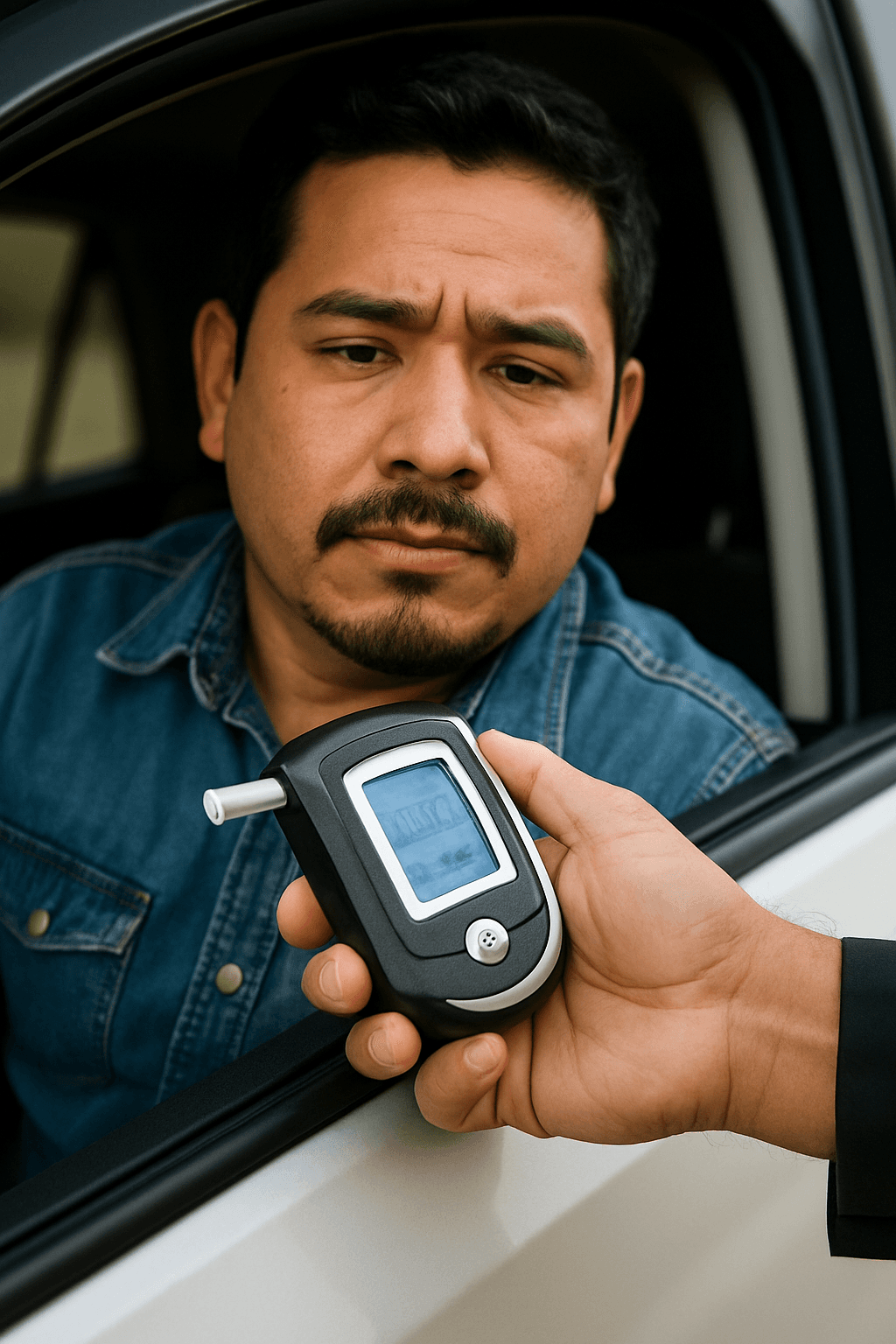
Utah requires ignition interlock devices on most DUI-related restricted licenses. Installation runs $75–$150, monthly monitoring $60–$90, and removal $50–$100, bringing total 12-month costs to $900–$1,380 before SR-22 insurance.
What You Pay for IID Service in Utah on a Restricted License
Installation runs $75–$150, monthly monitoring and calibration $60–$90, and removal $50–$100 from certified providers in Utah. For a standard 12-month restricted license period, total IID costs range from $900 to $1,380 before insurance. Utah requires recalibration every 30–60 days, and most providers bundle calibration into the monthly fee. Miss a calibration window by even one day and the device locks, which violates your restricted license terms and can trigger immediate revocation.
Utah courts often specify approved IID vendors in the hardship license order, which limits your ability to shop for lower rates. Certified providers include LifeSafer, Intoxalock, and Smart Start, but your court order may name only one or two approved options. If the order does not specify, you can choose any Utah-certified provider, but pricing variation is narrow because certification standards drive minimum service requirements.
Monthly fees cover device rental, calibration appointments, data reporting to the Utah Driver License Division, and 24/7 lockout support. Installation and removal are separate one-time charges. Some providers offer payment plans, but missed payments can trigger service suspension, which counts as a program violation under Utah restricted license rules.
How Utah's Restricted License IID Requirement Works
Utah grants restricted driving privileges through Driver License Division administrative process after DUI suspension. Most first-offense DUI cases require IID for the full restricted license period, typically 12–18 months depending on BAC level and prior offenses. The restricted license allows driving to work, school, medical appointments, and court-ordered treatment, but only in a vehicle equipped with a functioning IID.
Your eligibility starts 30 days after suspension for first-offense DUI. Higher BAC (0.16% or above) or refusal cases extend the waiting period to 90 days. The restricted license application requires proof of SR-22 insurance, DUI education enrollment, court compliance documentation, and an IID installation certificate from a certified provider. You cannot install the device before the restricted license is approved, but the approval process takes 7–14 days, so most drivers begin IID vendor research during the waiting period.
Utah restricted licenses are rolling, not fixed-term. The clock starts when the Driver License Division issues the license, not when you apply. If you delay IID installation after approval, you lose driving days you already paid for in fees.
Compare car insurance rates in your state
Get quotes from licensed carriers — no obligation, no spam, results in minutes.
Get Your Free Quote✓ No Obligation Required✓ Licensed Carriers Only✓ Available Nationwide✓ Free to Compare
Breaking Down the IID Cost Components in Utah
Installation covers the physical device install, wiring, and initial calibration. Most Utah providers charge $75–$100 for standard vehicles, $100–$150 for diesel or commercial vehicles. The technician explains device operation, sets your service calendar, and submits the installation certificate to the Driver License Division. Installation appointments take 60–90 minutes and must occur at a certified service location.
Monthly monitoring fees run $60–$90 and include device rental, mandatory recalibration every 30–60 days, data download and reporting to the state, violation alerts, and customer support. Utah requires in-person calibration, not remote monitoring. Each calibration visit takes 15–20 minutes. Providers typically allow a 5-day window around your calibration due date, but missing that window triggers a lockout countdown. Most devices give 48-hour warning before lockout.
Removal costs $50–$100 and includes device uninstall, final calibration, and submission of program completion documentation to the Driver License Division. You must complete the full restricted license period with zero violations before removal is authorized. Early removal without state approval voids your restricted license and reinstates the original suspension.
What Triggers IID Violations and Additional Costs in Utah
Failed breath tests, missed calibrations, and tampering attempts all count as program violations under Utah restricted license terms. A failed startup test (BAC 0.02% or higher) triggers a lockout period and generates a violation report sent to the Driver License Division and your probation officer if applicable. Two failed tests in a rolling 30-day period typically extends your IID requirement by 30–60 days. Three violations can revoke the restricted license entirely.
Missed calibration is the most common violation. Utah providers report missed appointments to the state within 24 hours. The device enters lockout mode 2–7 days after the missed window, depending on provider settings. Once locked, you must schedule an emergency calibration, which costs $50–$100 as an unscheduled service call. The violation still appears on your compliance record even after the emergency appointment.
Circumventing the device, disconnecting power, or attempting removal without authorization triggers immediate restricted license revocation in Utah. The provider detects tampering through diagnostic codes during calibration. Revocation reinstates your full suspension period from day zero, and you lose eligibility for restricted privileges for a minimum of 90 days in most cases.
How IID Costs Stack with SR-22 and Restricted License Fees in Utah
Utah's total cost to maintain a restricted license for 12 months includes $900–$1,380 in IID fees, $400–$900 in SR-22 insurance premiums (varies by violation and carrier), $65 restricted license application fee, and $55 reinstatement fee after completion. Court-ordered DUI education programs add $300–$600. Total first-year restricted license costs typically run $1,720–$3,400 depending on your violation severity and insurance history.
SR-22 filing is required before restricted license approval. Utah treats SR-22 as proof of financial responsibility, not a separate insurance product. Most DUI cases trigger 60–90% rate increases with SR-22, and restricted license holders are placed in non-standard or high-risk carrier pools. Carriers writing restricted license SR-22 policies in Utah include The General, Safe Auto, Bristol West, and Dairyland. Not all standard carriers (State Farm, Allstate, Progressive) write policies for active IID cases.
Budgeting for monthly costs requires planning for $110–$165 per month in combined IID monitoring and SR-22 insurance during the restricted license period. Miss one IID payment or let SR-22 lapse and the Driver License Division suspends the restricted license immediately. Most suspensions for non-compliance restart the waiting period clock, adding months to your total restricted license timeline.
Finding Lower IID Costs and Payment Options in Utah
Compare quotes from all Utah-certified providers if your court order does not specify a vendor. LifeSafer, Intoxalock, and Smart Start operate statewide, but regional pricing varies. Salt Lake County providers charge 10–15% more than rural locations due to service density, but calibration convenience matters more than $10/month savings if you miss appointments.
Some providers offer income-based hardship discounts for drivers below federal poverty line thresholds. You must apply with proof of income, and approval is not guaranteed. Discounts typically reduce monthly fees by $10–$20, not installation or removal costs. Payment plans spread installation and first-month fees over 60–90 days, but require autopay enrollment and charge $5–$10 processing fees per month.
Employer-sponsored IID programs exist in Utah for commercial drivers and fleet operators, but restricted license holders rarely qualify because the license prohibits work driving outside approved employer and route documentation. If you drive for work under a restricted license, confirm your employer allows IID-equipped vehicles before installation. Some employers prohibit IID devices on company property due to liability concerns.
What Happens After You Complete the IID Requirement in Utah
Schedule your removal appointment 7–10 days before your restricted license period ends. The provider submits final compliance documentation to the Driver License Division, which processes reinstatement within 5–10 business days. You must pay the $55 reinstatement fee and provide proof of SR-22 before receiving your unrestricted license.
Utah requires SR-22 filing for 3 years after DUI conviction, measured from conviction date, not restricted license end date. If you completed 12 months of restricted license with IID, you still have 24 months of SR-22 filing ahead. Your rates typically drop 20–30% once the IID requirement ends and you move from restricted to unrestricted status, but SR-22 surcharges remain until the full 3-year period closes.
Violations during the restricted license period extend your total IID timeline and delay full reinstatement. Two failed breath tests add 30–60 days. Missed calibrations add 15–30 days per incident. Most extensions are cumulative, and the Driver License Division does not grant early termination even with perfect compliance after violations. Track your calibration schedule, avoid alcohol entirely during the restricted period, and confirm each compliance milestone with your provider to avoid costly timeline extensions.