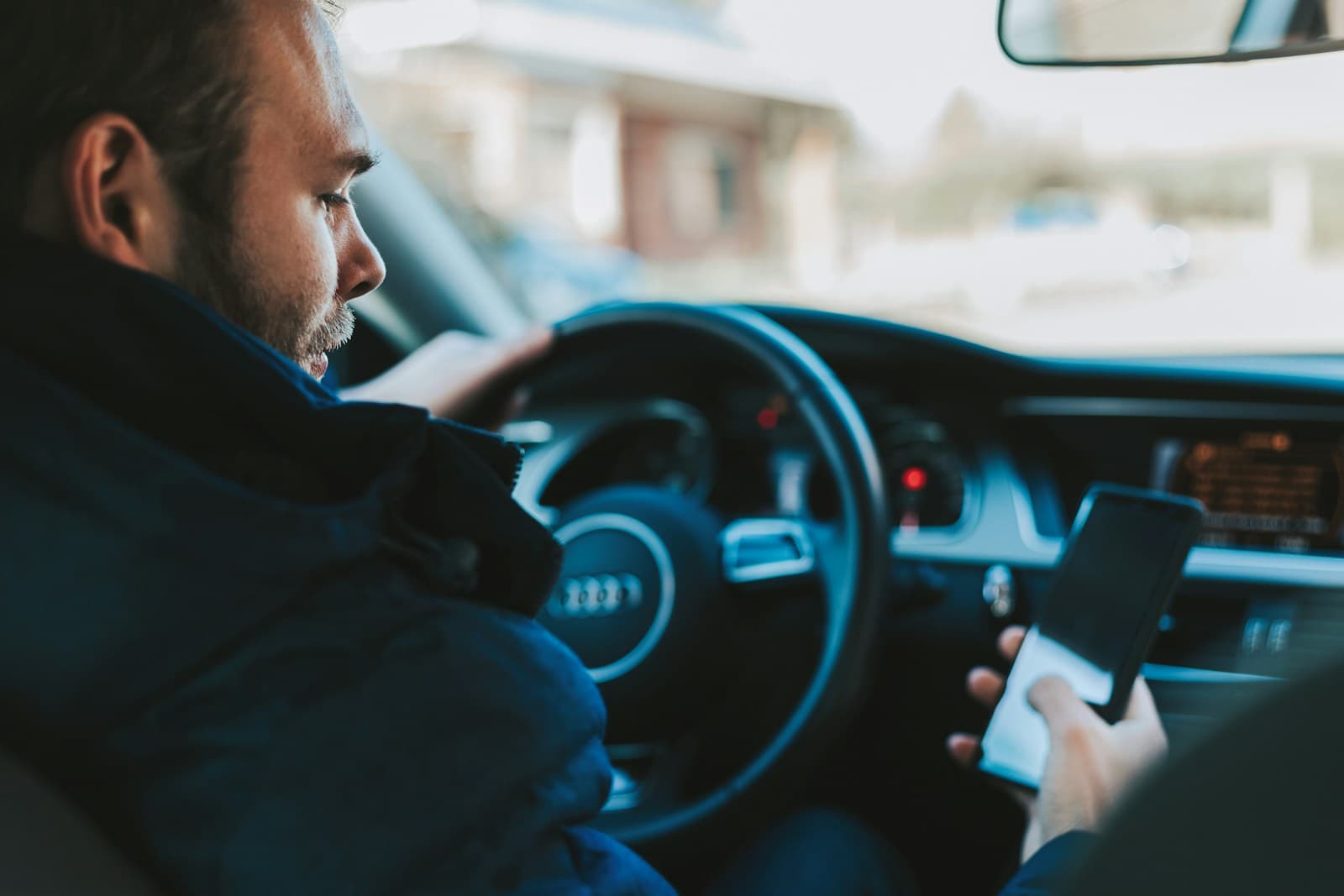
Your reckless driving conviction suspended your license and your rideshare platform deactivated your account. Illinois courts grant RDPs for employment purposes, but most rideshare drivers don't realize their gig work documentation requirements differ from W-2 employees—and most petitions fail on employer affidavit technicalities.
Why Rideshare RDP Petitions Fail in Illinois Courts
Illinois law allows Restricted Driving Permits (RDPs) for employment purposes after reckless driving suspensions, but the statute was written for W-2 employees with traditional employer verification letters. Uber, Lyft, and DoorDash don't issue employer affidavits because drivers are independent contractors, not employees. Most petitioners submit standard RDP applications expecting their platform email deactivation notice to suffice as proof of need. Judges deny these petitions at hearing because the documentation doesn't prove the petitioner drove for income or that reinstatement would restore specific employment.
Cook County, DuPage County, and Will County courts grant approximately 60-65% of rideshare RDP petitions when documentation includes 1099 tax forms from the prior tax year, platform account activation confirmation dated before the suspension, and a 30-day trip log showing consistent income. The difference is verification that rideshare driving was the petitioner's actual income source before suspension, not speculative future work. Courts assume gig workers can transition to non-driving income more easily than employees with single employers, so the burden of proving driving-dependent income falls entirely on the petitioner.
The procedural gap appears at the hardship hearing. Illinois judges ask W-2 employees to produce a signed employer letter on company letterhead confirming job title, schedule, and termination risk if the RDP is denied. Gig platforms don't provide this. Petitioners who show up with only a deactivation email and verbal testimony about needing to drive are denied 70%+ of the time because the court has no written verification from a third party that the income loss is real.
What Documentation Illinois Courts Accept for Rideshare RDPs
Illinois Secretary of State administrative rules require employer verification for RDP petitions, but they don't define what counts as an employer for independent contractors. Cook County and collar county judges have developed informal standards through repeated hearings. The baseline package that clears most objections includes three elements: tax documentation proving prior income, platform correspondence proving active status before suspension, and trip logs proving income consistency.
1099-NEC or 1099-K forms from Uber, Lyft, or DoorDash for the most recent complete tax year prove the petitioner earned reportable income from the platform. If the suspension happened early in the calendar year and the prior year's 1099 isn't available yet, bring the previous year's form plus year-to-date earnings statements downloaded from the platform driver portal. Courts need proof the petitioner was earning $500+ per month minimum—occasional side income doesn't meet the employment-dependence standard.
Platform account activation confirmation emails or app screenshots showing active driver status before the suspension date establish that the account was functional and the suspension caused deactivation. Most platforms deactivate drivers automatically when state DMV records show a suspended license. Print the deactivation notice and the original activation email side by side to show the timeline. If the platform sent a reactivation-eligibility email explaining license reinstatement requirements, include that too—it demonstrates the platform will restore access once the RDP is granted.
Trip logs covering 30-60 days before the suspension prove income consistency and work schedule. Download your trip history CSV from the platform's driver dashboard and print a summary page showing total trips, total earnings, and days worked per week. Judges want to see whether you drove 10 hours per week or 40 hours per week because that determines how narrowly they'll restrict your RDP hours. A driver working 40+ hours weekly has a stronger case for daytime and evening driving windows than someone working Friday and Saturday nights only.
Compare car insurance rates in your state
Get quotes from licensed carriers — no obligation, no spam, results in minutes.
Get Your Free Quote✓ No Obligation Required✓ Licensed Carriers Only✓ Available Nationwide✓ Free to Compare
How Illinois RDP Hour Restrictions Apply to Rideshare Work
Illinois RDPs are granted for specific hours, specific days, and specific purposes. Most W-2 employees receive permits restricted to commute hours and direct routes between home and work. Rideshare drivers can't comply with route restrictions because trip destinations change every ride. Cook County judges address this by granting time-window permits without route restrictions, but they limit the total hours per week and require all driving to occur within approved time blocks.
A typical rideshare RDP grants driving privileges Monday through Friday, 6:00 AM to 6:00 PM, or Monday through Sunday, 5:00 AM to 10:00 PM depending on the petitioner's documented prior work schedule. The permit language states "employment purposes only—rideshare driving within approved hours" rather than listing specific addresses. This gives you flexibility to accept rides anywhere within your metro area during legal hours, but driving outside those hours for any reason violates the permit and triggers automatic revocation.
Weekend and late-night hours are harder to justify. Judges assume rideshare income peaks Friday and Saturday nights, but they also know most DUI and reckless driving arrests happen during those windows. If your trip logs show you earned 60% of your income between 8:00 PM Friday and 3:00 AM Sunday, you'll need to argue that daytime-only restrictions would eliminate your primary income. Expect pushback. Some judges grant Friday-Saturday evening hours provisionally and require monthly income reporting to verify compliance. Others deny evening hours entirely and expect petitioners to shift to daytime driving or non-driving gig work.
Route deviation is still prohibited even without specific addresses listed. If your RDP is restricted to employment purposes and a officer stops you during approved hours while you're driving to a grocery store without an active ride, that's a violation. Most rideshare drivers keep the app open whenever they're driving during legal hours and show the active trip screen if stopped. Off-app personal errands require separate approval—most judges add medical appointments and childcare to the permit if requested at the hearing.
SR-22 Filing Requirements for Illinois Rideshare RDPs
Illinois requires SR-22 insurance filing for reckless driving suspensions before the Secretary of State will process your RDP application. The SR-22 must be active and on file with the Illinois Secretary of State for the entire RDP period, typically 12-24 months depending on the suspension length. If your SR-22 lapses for any reason, the state revokes your RDP immediately and extends your underlying suspension by the lapse duration.
Most rideshare drivers assume their personal auto policy will add SR-22 filing as a simple endorsement. This fails when the carrier discovers you drive for Uber or Lyft. Standard personal auto policies exclude commercial use and rideshare activity. When you file an SR-22 and the carrier runs a driver history check that shows platform driving or when you're honest about your work on the application, the carrier either denies the SR-22 or cancels your policy for material misrepresentation. You're left without coverage and without the SR-22 filing required to petition for your RDP.
Non-standard carriers that write high-risk SR-22 policies (Bristol West, Dairyland, GAINSCO, Direct Auto, The General) will file SR-22 for rideshare drivers, but they exclude rideshare activity from coverage. You'll carry an SR-22 policy that covers personal driving only and a separate commercial rideshare policy through the platform or a rideshare-specific carrier. This doubles your premium cost. Expect $140-$220 per month for the SR-22 non-standard policy plus $180-$300 per month for rideshare coverage, depending on your county and driving record. Total monthly insurance cost during the RDP period typically runs $320-$520.
Some drivers attempt to avoid the double-policy cost by not disclosing rideshare work to their SR-22 carrier. This backfires if you're in an accident while driving for the platform. The carrier discovers the commercial use, denies the claim, cancels the policy for misrepresentation, and files an SR-22 withdrawal notice with the state. Your RDP is revoked the day the state receives the withdrawal, and you're cited for driving on a revoked license if you continue working before discovering the revocation. The reinstatement process after an SR-22 lapse adds 6-12 months to your total restriction period and requires a new hardship hearing.
Court Order Documentation vs DMV Administrative Process
Illinois offers two paths to RDP approval: judicial relief through a circuit court hardship hearing or administrative approval through the Secretary of State's Office of Administrative Hearings. Reckless driving suspensions qualify for both paths, but the documentation requirements and approval rates differ significantly.
Circuit court petitions require filing a motion in the county where you were convicted or where you reside. You'll pay a $200-$300 court filing fee, serve notice to the state's attorney, and appear at a hardship hearing before a judge. The judge has full discretion to grant or deny the petition and can impose conditions beyond statutory minimums. Approval rates in Cook, DuPage, Kane, and Will counties run 55-65% for rideshare petitioners who bring complete documentation. Denials are typically without prejudice, meaning you can refile after addressing the deficiencies the judge identified, but you'll pay another filing fee and wait another 30-45 days for a new hearing date.
Administrative hearings through the Secretary of State are less expensive ($50 filing fee) but apply stricter eligibility rules. Reckless driving suspensions qualify only if the conviction didn't involve alcohol, drugs, or injury to another person. If your reckless driving charge was reduced from DUI or if the underlying facts involved any substance, the administrative path is closed and you must petition through circuit court. Administrative approval rates are higher (70-75%) when petitioners meet the eligibility threshold, but the hearing officers have less flexibility to tailor hour restrictions to gig work schedules. Most administrative RDPs are granted for standard commute hours only.
Rideshare drivers typically fare better in circuit court because judges can approve non-standard hour blocks after reviewing trip logs and income documentation. The higher filing cost and longer timeline are offset by the ability to argue for evening and weekend hours. If you earned most of your rideshare income outside 9-to-5 hours, circuit court is the better path. If you drove primarily daytime hours and your reckless driving conviction was a pure traffic offense with no alcohol or injury factors, the administrative path is faster and cheaper.
What Happens When Your Platform Won't Reactivate Your Account
Illinois courts grant your RDP, you maintain SR-22 filing, and you comply with all hour restrictions. You submit your court order and proof of reinstated driving privileges to Uber or Lyft expecting account reactivation. The platform denies reactivation or leaves your account in pending status indefinitely. This happens to 15-20% of rideshare RDP holders, and most don't realize the platform's internal policies operate independently of state law.
Uber and Lyft require drivers to hold full, unrestricted driving privileges in most markets. A restricted driving permit satisfies Illinois legal requirements but fails the platform's driver eligibility standards. The platform's position is that RDP holders can't accept all ride requests because route and hour restrictions limit service availability. Some drivers successfully reactivate by submitting the RDP court order, proof of SR-22 coverage, and a letter explaining that their permit allows all rideshare activity within approved hours. Others are told to reapply once their full license is reinstated.
DoorDash and other delivery platforms apply less restrictive reactivation standards because delivery routes are more predictable than passenger rideshare. If your RDP petition is denied by Lyft or Uber, delivery gig work may be your only platform option during the restriction period. Average delivery platform income runs 30-40% lower than rideshare income in most Illinois metro areas, but it's often the only gig work available to RDP holders.
If reactivation fails entirely, your RDP still allows you to drive for any traditional employer within approved hours. The documentation effort to obtain the RDP isn't wasted—you can use the permit for any job that requires driving during legal hours, including delivery driver roles with W-2 employers, sales positions, or service route work. The permit isn't rideshare-specific even though your petition argued rideshare income dependency.
Total Cost and Timeline to RDP Approval
Illinois rideshare drivers face a stacked cost structure spanning court fees, reinstatement fees, SR-22 premiums, and attorney costs. The total outlay from suspension to RDP approval typically runs $2,400-$4,200 depending on whether you hire an attorney and which court path you pursue.
Circuit court filing fees run $200-$300 depending on county. Secretary of State administrative hearing fees are $50. Illinois reinstatement fees for reckless driving suspensions are $70 for first-time offenses, $500 for repeat violations within 5 years. SR-22 filing fees charged by the insurance carrier are $15-$50 one-time, but the premium increase is the real cost—expect $1,700-$2,600 annually for non-standard SR-22 coverage. Rideshare commercial coverage adds another $2,200-$3,600 annually. First-month insurance cost alone often exceeds $400-$500.
Attorney fees for RDP petitions in Cook County and collar counties range from $750 to $1,500 for petition drafting, documentation review, and hearing representation. Attorneys improve approval odds by 15-20 percentage points in contested cases, but they're not required. Self-represented petitioners who bring complete documentation and present organized testimony are granted RDPs at nearly the same rate as represented petitioners when the case is straightforward. Complex cases involving multiple suspensions, prior RDP violations, or alcohol-related underlying facts benefit more from representation.
Timeline from suspension to RDP approval runs 45-90 days for circuit court petitions, 30-60 days for administrative hearings. Circuit court schedules vary by county—Cook County hearing dates are typically set 60-75 days out from filing, while collar counties schedule within 30-45 days. Administrative hearings are scheduled within 30 days of filing but often continued once or twice if documentation is incomplete. Factor another 7-10 business days after approval for the Secretary of State to process the court order and issue your physical RDP card.