Kansas courts deny work permit petitions when employer affidavits lack specific shift documentation, even when the court order is otherwise complete. Rideshare drivers face unique verification challenges because app-based scheduling doesn't produce the traditional employer letters Kansas judges expect.
Why Kansas Courts Scrutinize Rideshare Employer Affidavits Differently Than Traditional Jobs
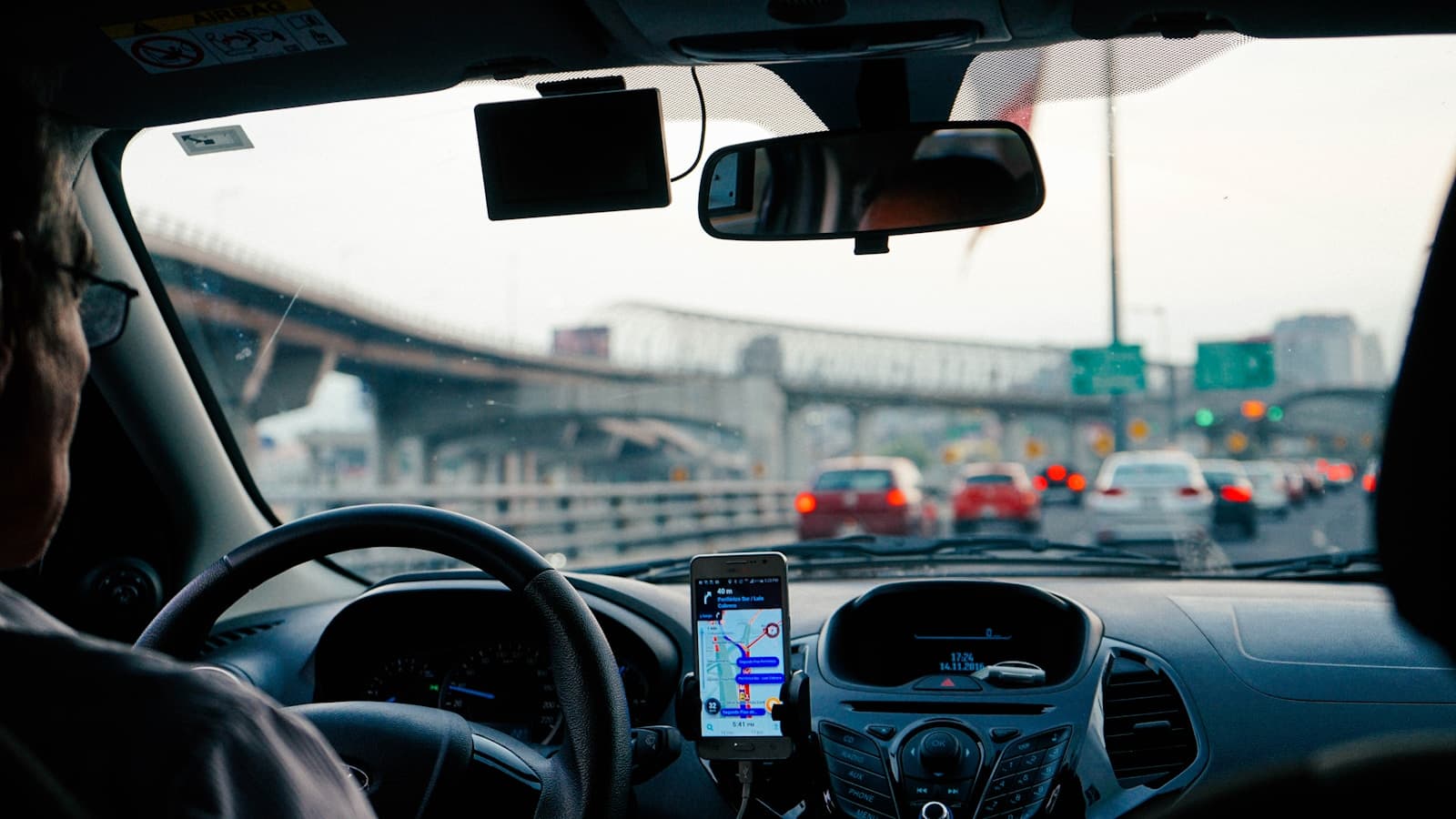
Kansas work permit applications require employer affidavits documenting your job schedule, shift hours, and commute route. Traditional employers issue these letters on company letterhead with HR signatures. Rideshare platforms operate differently: you're an independent contractor, your schedule is app-based, and no HR department exists to verify your hours. Judges reviewing your hardship hearing petition expect traditional employment verification. When affidavits state "flexible hours" or "as-needed scheduling," courts deny the petition outright because Kansas Statute 8-292 requires specific hour blocks for approved driving.
Most rideshare drivers discover this documentation gap after filing. They submit printouts of earnings summaries or screenshots showing active driver status. Kansas district courts reject these because they don't constitute employer affidavits under the statute's definition. The court interprets "employer" strictly: a business entity with supervisory authority that dictates your work schedule. Uber and Lyft structure their relationship as platform access, not employment direction.
The workaround requires reframing your documentation strategy before filing. Instead of requesting a traditional affidavit from the rideshare platform, most Kansas attorneys advise petitioning for work permit hours that align with documented driving patterns from the previous 90 days. You submit trip logs, earnings statements, and a self-sworn affidavit stating your intended work schedule. This shifts the documentation burden from the platform to your historical driving data. Success rates improve when your proposed hours match verifiable past activity rather than open-ended availability.
Court Order Documentation: What Kansas Judges Require Beyond the Standard DUI Petition
Your court-ordered work permit application must include the underlying DUI case documentation. Kansas requires the sentencing order, the ignition interlock device (IID) installation mandate, and proof of SR-22 filing. The sentencing order establishes your suspension start date and duration. The IID mandate proves you've complied with Kansas K.S.A. 8-1015 ignition interlock requirements. SR-22 proof demonstrates you carry liability coverage meeting Kansas minimums of 25/50/25.
Most petitions fail because drivers assume the court order alone satisfies documentation requirements. It doesn't. Kansas district courts cross-reference three separate filings: your criminal case docket, your DMV administrative suspension record, and your SR-22 certificate on file with the Kansas Division of Vehicles. If any of these show discrepancies—for example, your SR-22 lists a personal vehicle but you're requesting rideshare-only hours—the court denies the petition and requires resubmission with corrected documentation.
Rideshare-specific complications arise from vehicle ownership questions. Kansas work permits specify approved vehicles by VIN. If you drive your own vehicle for Uber or Lyft, the VIN on your SR-22 certificate must match the VIN listed in your work permit petition. If you rent a vehicle through a rideshare rental program, you must document the rental agreement, prove the rental company carries commercial liability coverage, and explain why you need a work permit for a vehicle you don't own. Courts frequently deny rental-vehicle petitions on first submission because the ownership chain isn't clear.
Attorney-assisted filings resolve most documentation mismatches before submission. Typical cost in Kansas for DUI work permit representation runs $800–$1,500. Attorneys pre-clear your documentation with the court clerk, identify VIN mismatches, and structure affidavits to address rideshare employment ambiguity. Self-filed petitions carry higher denial rates—approximately 40% according to Johnson County court records—because most drivers don't realize courts verify across three separate state systems before approving.
Compare car insurance rates in your state
Get quotes from licensed carriers — no obligation, no spam, results in minutes.
Get Your Free Quote✓ No Obligation Required✓ Licensed Carriers Only✓ Available Nationwide✓ Free to Compare
SR-22 Filing Timeline and Kansas Work Permit Approval Sequencing
Kansas requires SR-22 filing before the court will schedule your hardship hearing. You cannot petition for a work permit without proof of continuous SR-22 coverage already on file with the Kansas Division of Vehicles. The filing must show at least 15 days of continuous coverage before your hearing date. This sequencing creates a timeline trap: most drivers wait to secure SR-22 until after they believe the work permit is approved, but Kansas courts refuse to hear petitions without advance proof of filing.
SR-22 insurance for DUI-suspended Kansas drivers typically costs $140–$220 per month through non-standard carriers like Bristol West, Direct Auto, Dairyland, or GAINSCO. If you don't own a vehicle but need rideshare work authorization, you file non-owner SR-22. Non-owner policies cover liability when you drive vehicles you don't own—exactly the rideshare scenario. Monthly premiums for non-owner SR-22 in Kansas run $90–$160, lower than standard SR-22 because the insurer isn't covering a specific vehicle you own.
Kansas requires SR-22 filing for the full duration of your suspension, typically 1 year for first DUI, 2 years for second DUI. Your work permit doesn't shorten the SR-22 filing period. Even after your full license is reinstated, the SR-22 requirement continues until the statutory filing period expires. Letting SR-22 lapse during your work permit period triggers automatic revocation of the permit and extends your underlying suspension by the lapse duration.
Rideshare platforms require their own commercial liability endorsement separate from your SR-22 obligation. Uber and Lyft provide liability coverage while you're actively transporting passengers, but Kansas law still requires you to carry personal SR-22 coverage. This creates dual-policy costs: your SR-22 filing plus the platform's commercial policy. Budget for both when calculating total insurance expense during your work permit period.
Approved Hours and Route Restrictions Kansas Courts Impose on Rideshare Work Permits
Kansas work permits specify approved driving hours and geographic boundaries. Courts do not issue blanket rideshare authorization. Your petition must request specific hour blocks—for example, "Monday through Friday, 5:00 AM to 11:00 PM"—and justify why those hours are necessary for employment. Rideshare drivers often request wider hour windows than traditional commuters because passenger demand peaks during evening and weekend hours. Kansas judges scrutinize these requests because wider hours increase opportunities for permit violations.
Most Kansas counties approve 12-hour daily windows for rideshare work permits, typically 6:00 AM to 6:00 PM or 2:00 PM to 2:00 AM depending on your documented driving patterns. Requesting 18-hour or 24-hour authorization usually results in denial unless you prove rideshare driving is your sole income source and your earnings statements show consistent activity across those extended hours. Judges view overly broad hour requests as attempts to circumvent the restriction, not legitimate employment necessity.
Geographic boundaries pose unique rideshare challenges. Traditional work permits list your home address, your employer's address, and the direct commute route between them. Rideshare work permits can't specify a single destination because your job is passenger transport across variable routes. Kansas courts address this by approving county-level or city-level geographic zones. Johnson County and Sedgwick County courts typically approve metro-area boundaries—Kansas City metro or Wichita city limits—rather than specific street routes. Driving outside approved boundaries during approved hours still constitutes unlicensed operation and triggers permit revocation.
Violation monitoring in Kansas is passive until you're stopped. Kansas Highway Patrol and local law enforcement verify work permit compliance during traffic stops by checking your approved hours, current location, and stated destination against your court order. If you're outside approved hours or boundaries, you're arrested for driving while suspended, your work permit is revoked, and your underlying suspension is extended. Kansas does not issue warnings for work permit violations.
IID Installation Requirements and Rideshare Vehicle Complications
Kansas mandates ignition interlock devices for all DUI-related work permits. K.S.A. 8-1015 requires IID installation before the court approves your restricted driving privilege. You must install the device in every vehicle you intend to drive under the work permit, provide proof of installation to the court, and maintain monthly monitoring compliance throughout your restriction period.
Rideshare drivers who own their vehicle face straightforward IID requirements: install the device, pay the monthly monitoring fee (typically $75–$95 in Kansas), and submit compliance reports. Drivers who don't own a vehicle encounter installation barriers. You cannot install an IID in a rideshare rental vehicle because you don't own it and rental agreements prohibit vehicle modifications. You cannot install an IID in a vehicle you borrow because Kansas law requires the registered owner's written consent for installation, and most owners refuse due to insurance and liability concerns.
This creates a vehicle ownership prerequisite for rideshare work permits that Kansas courts rarely explain upfront. If you don't own a vehicle and plan to rent or borrow for rideshare work, your petition will be denied unless you can document a vehicle you control with owner consent for IID installation. The practical solution: most Kansas rideshare drivers on work permits purchase inexpensive older vehicles solely to satisfy IID installation requirements. Total cost including vehicle purchase, IID installation, SR-22 insurance, and rideshare platform commercial endorsement often exceeds $4,000 in the first 90 days.
IID violations trigger immediate work permit revocation. Kansas monitors compliance through monthly data downloads from the device. Failed breath tests, missed rolling retests, or tampering alerts are reported to the court within 72 hours. The court issues a revocation order without a hearing. Most Kansas drivers don't realize IID violations revoke the work permit automatically—they assume violations result in warnings or fines first.
What to Do Right Now If You Need a Kansas Work Permit for Rideshare Driving
Secure SR-22 insurance immediately, before filing your work permit petition. Kansas courts require proof of 15 days continuous SR-22 coverage on file with the Division of Vehicles before scheduling your hardship hearing. If you don't own a vehicle, request non-owner SR-22 quotes from non-standard carriers. Typical monthly cost: $90–$160. Allow 3–5 business days for the carrier to file your SR-22 certificate with the state electronically.
Document your rideshare employment history for the past 90 days. Download trip logs, earnings statements, and weekly summaries from your driver app. Organize these by week to show consistent driving patterns. Your attorney or self-filed petition will use this data to justify the specific hour blocks you're requesting. Kansas judges approve petitions that demonstrate stable employment necessity, not speculative future driving plans.
Identify a vehicle you own or can secure with owner consent for IID installation. Contact Kansas-approved IID providers—Smart Start, Intoxalock, and LifeSafer operate statewide—and schedule installation for after your court hearing. Budget $150–$200 for installation plus $75–$95 monthly monitoring. Bring proof of scheduled installation or a pre-approval letter from the IID provider to your hardship hearing.
Decide whether to hire an attorney or file pro se. Johnson County, Sedgwick County, and Shawnee County courts handle the majority of Kansas DUI work permit petitions. Attorney representation costs $800–$1,500 but improves approval rates significantly because attorneys pre-clear documentation mismatches and structure affidavits to address rideshare employment ambiguity. Self-filed petitions are possible but carry higher denial rates due to documentation gaps most drivers don't anticipate.
If your petition is approved, understand that your work permit is conditional on continuous SR-22 coverage, IID compliance, and adherence to approved hours and geographic boundaries. Violation of any condition revokes the permit and extends your underlying suspension. Kansas does not issue warnings. Budget realistically for the full cost stack: SR-22 premiums, IID monthly fees, attorney costs, reinstatement fees, and the rideshare platform's commercial liability endorsement requirement.