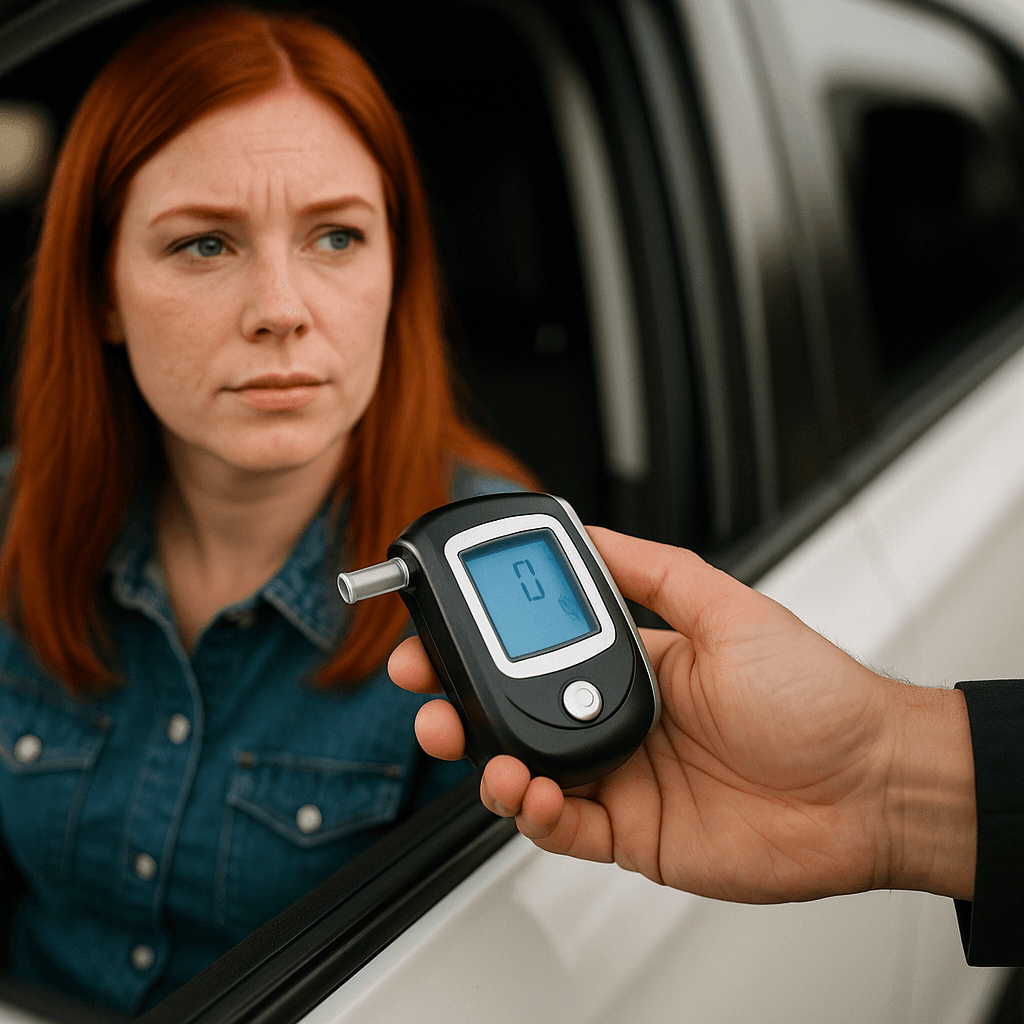
Kentucky allows college students to include approved classes and labs on hardship license petitions, but course schedules change mid-semester and your restriction order doesn't—most students don't realize schedule amendments require a new court petition, not just an updated syllabus.
What Kentucky Calls a Hardship License and How Students Qualify
Kentucky uses the term hardship license for the restricted driving privilege available after DUI suspension. College students qualify if they can demonstrate that suspension prevents them from attending approved educational activities—classes, labs, mandatory meetings with advisors, or required clinical rotations. The court evaluates hardship petitions based on necessity, not convenience.
You apply through a hardship hearing in the district court where your DUI was adjudicated, not through the Kentucky Transportation Cabinet. The petition requires proof of enrollment (registrar letter or official schedule), proof of employment if you're also working, and SR-22 insurance filing. Court fees run approximately $150-$200, and the hearing typically occurs 15-30 days after filing.
Eligibility timing depends on your DUI offense count. First-time offenders may petition immediately after suspension begins. Second or subsequent offenses require a 45-90 day waiting period before you can apply. Ignition interlock device installation is required for all DUI-related hardship licenses before the court will approve your petition, not after.
How Kentucky Courts Define Approved Educational Destinations
Your hardship license order specifies approved destinations by physical address, not by general category. The court lists your campus buildings individually—if your petition states "University of Kentucky Main Campus," the order will list each approved building by street address. Chemistry labs, lecture halls, dormitory, library, and parking structures appear as separate destinations.
You must provide the court with a detailed schedule showing course locations, meeting times, and building addresses. Many students submit a printed class schedule from the registrar and assume that covers them. It doesn't. The court wants building names and addresses, not course codes. If your biology lab meets in the Thomas Hunt Morgan Building at 201 South Limestone, that exact address appears in your restriction order.
Driving to campus activities not listed in your order—study groups, non-mandatory office hours, campus employment not included in your original petition—violates the restriction. The court does not grant blanket permission for "educational purposes." Each approved purpose requires a specific destination address in the order.
Compare car insurance rates in your state
Get quotes from licensed carriers — no obligation, no spam, results in minutes.
Get Your Free Quote✓ No Obligation Required✓ Licensed Carriers Only✓ Available Nationwide✓ Free to Compare
What Happens When Your Course Schedule Changes Mid-Semester
Most Kentucky college students don't realize their hardship license restriction is a court order, not a DMV administrative document. When you drop a class, add a class, or switch lab sections mid-semester, your restriction order doesn't automatically update. You must file a petition to amend the hardship order in the same district court that issued it.
The amendment process requires the same filing fee as the original petition—typically $150-$200—and a new hearing. You cannot simply notify the court clerk or send an updated syllabus. The judge must approve the amended schedule in a formal hearing. Processing time runs 15-30 days, which means you cannot legally drive to the new class location until the amended order is signed.
Many students assume they can continue driving to the new class because it's still "educational." That assumption leads to hardship license revocation. Kentucky State Police and campus police enforce hardship restrictions by comparing your current location and time to your court order. If you're pulled over driving to a Tuesday lab that replaced a Monday lecture, and your order only lists the Monday time slot, you're driving on a suspended license. The underlying DUI suspension extends by the violation period, and you lose hardship eligibility.
How Work Routes Fit on a Student Hardship License
Kentucky courts allow students to combine educational and employment destinations on a single hardship license. Your petition must list both your campus schedule and your work schedule, including specific shifts and addresses. Most students work part-time jobs near campus or in their hometown between classes.
The court evaluates work necessity separately from educational necessity. You must prove that losing your job creates financial hardship that prevents you from continuing your education—tuition payments, housing costs, textbook expenses. A registrar letter confirming enrollment is not enough. You need documentation from your employer: a letter on company letterhead stating your position, shift hours, and workplace address.
Your approved hours on the hardship license cover both work and school. If your order allows driving Monday through Friday 7:00 AM to 10:00 PM, you can drive to morning classes and evening work shifts within that window. But every destination—campus buildings and workplace—must appear individually in the restriction order. Driving to a second job not listed in your petition violates the restriction, even if the drive occurs within approved hours.
Why SR-22 Filing Requirements Differ for Student vs Employment Hardship
Kentucky requires SR-22 filing for all DUI-related hardship licenses, regardless of whether the petition emphasizes education or employment. The SR-22 remains active for the entire hardship license period plus the remainder of your underlying suspension. For a first-time DUI, that's typically 3 years total.
SR-22 is a financial responsibility certificate your insurance carrier files with the Kentucky Transportation Cabinet. It proves you carry at least the state-required liability minimums: $25,000 per person, $50,000 per accident for bodily injury, and $25,000 for property damage. Standard carriers (State Farm, Allstate, Nationwide) often non-renew policies after DUI convictions, which forces you into the non-standard market.
Non-standard carriers that write SR-22 policies in Kentucky—Bristol West, Direct Auto, Dairyland, GAINSCO, The General, Safe Auto—quote monthly premiums between $140-$280 for minimum liability with SR-22 endorsement. Students who don't own a vehicle need non-owner SR-22 policies, which cost less than standard auto policies but still run $80-$150 per month. Budget for the full 3-year filing period when calculating total cost.
How Ignition Interlock Affects Your Hardship License Approval Timeline
Kentucky requires ignition interlock installation before the court approves your hardship license petition, not after. You cannot get the device installed without proof of vehicle ownership or a notarized letter from the vehicle owner (parent, spouse, or other family member) authorizing installation on their vehicle.
The court will not schedule your hardship hearing until you provide proof of IID installation. That proof comes from the interlock provider—a compliance certificate showing device serial number, installation date, and calibration schedule. Most Kentucky interlock providers (Smart Start, Intoxalock, LifeSafer) require 7-14 days from your initial appointment to installation, which delays your hardship petition by at least two weeks.
Monthly interlock costs run $70-$100 for monitoring and calibration, plus a $100-$150 installation fee. Students who use a parent's vehicle often encounter resistance when the parent realizes the device requires breath tests before every engine start and periodic rolling retests while driving. That hesitation delays installation, which delays your hardship hearing, which delays your ability to return to campus legally.
What a Hardship License Violation Does to Your Underlying Suspension
Violating your Kentucky hardship license terms—driving outside approved hours, driving to unapproved destinations, failing an interlock test—automatically revokes the hardship license and extends your underlying DUI suspension by the full violation period. If you're caught violating the restriction 6 months into a 12-month hardship license, your original suspension clock resets and you lose eligibility for another hardship petition.
Kentucky Transportation Cabinet monitors interlock compliance monthly. Three failed breath tests in a 30-day period, one missed calibration appointment, or one tamper alert triggers an administrative review. The cabinet notifies the court, and the court revokes your hardship license without a hearing. Most students don't realize that interlock violations carry the same consequences as driving-to-unapproved-location violations.
You cannot appeal a hardship license revocation in the same district court that issued it. The revocation is final. Your only path forward is waiting out the extended suspension period, completing all DUI education and treatment requirements, and applying for full license reinstatement once eligible. That reinstatement process requires paying the original suspension reinstatement fee ($440 for first DUI), submitting proof of DUI program completion, and refiling SR-22 if the original filing lapsed during the violation period.