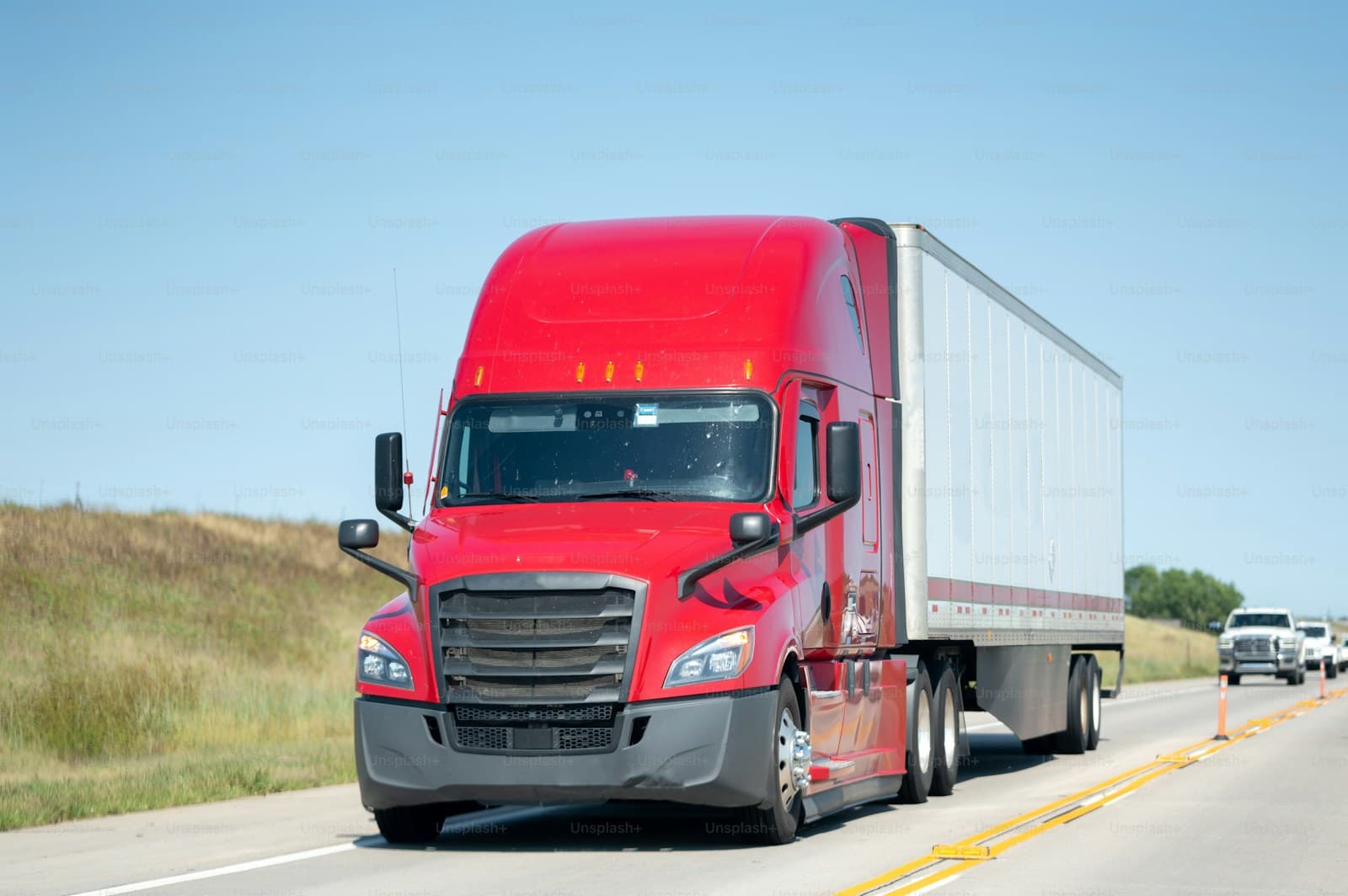
Louisiana CDL holders convicted of reckless driving face commercial license revocation but may qualify for restricted personal driving privileges. Your approved destinations and work routes determine whether you can maintain employment during the restriction period.
CDL Suspension vs. Personal License Restriction in Louisiana
Louisiana treats commercial and personal driving privileges separately after a reckless driving conviction. Your CDL is suspended immediately upon conviction, typically for 60-90 days depending on whether the offense occurred in a commercial vehicle. Your Class D personal license may remain valid or face concurrent suspension.
Most CDL holders assume restricted driving privileges allow them to drive to work. This is partially correct: Louisiana hardship licenses permit personal vehicle operation to approved destinations during approved hours, but they never authorize commercial vehicle operation during the restriction period. Your CDL remains suspended regardless of hardship license approval.
The practical consequence: you cannot legally drive a commercial motor vehicle to pick up loads, complete deliveries, or operate any vehicle requiring CDL endorsement—even if your employer location is on your approved destination list. Hardship licenses authorize personal transportation only. Violating this restriction triggers immediate revocation of the hardship license and extends the underlying CDL suspension by 6-12 months.
Approved Destinations and Route Documentation Requirements
Louisiana Office of Motor Vehicles requires hardship license applicants to submit a sworn affidavit listing specific addresses for approved destinations. Approved categories typically include employer address, medical provider locations, childcare facilities, and places of worship. Each destination requires a physical street address—post office boxes and general area descriptions are rejected.
The affidavit must include employer verification on company letterhead documenting your work schedule, shift hours, and exact work location address. If your job involves multiple job sites (common for construction, delivery support roles, or field service), you must list each site address separately. Louisiana DMV does not grant blanket geographic radius approvals.
Route deviation during approved hours is treated identically to driving outside approved hours. Lafayette Parish and East Baton Rouge Parish enforcement agencies use automated license plate readers that flag hardship license holders stopped more than 0.5 miles from documented routes connecting approved destinations. Three documented deviations within the restriction period trigger automatic administrative revocation without hearing.
Compare car insurance rates in your state
Get quotes from licensed carriers — no obligation, no spam, results in minutes.
Get Your Free Quote✓ No Obligation Required✓ Licensed Carriers Only✓ Available Nationwide✓ Free to Compare
Work-Adjacent Activities That Violate Restriction Terms
Louisiana hardship license restrictions prohibit driving for work-related purposes beyond commuting to a fixed employer address. CDL holders who previously performed delivery support, parts pickup, equipment transport, or multi-site supervision roles face a gap: their approved employer destination allows them to reach the workplace, but not to perform job functions requiring off-site driving.
Commercial vehicle operation is explicitly excluded regardless of destination approval. Personal vehicle use for employer errands—even during approved hours to approved destinations—violates restriction terms if the trip serves business purposes rather than personal commuting. Louisiana State Police issued guidance in 2023 clarifying that hardship licenses authorize personal life maintenance transportation only, not employment task fulfillment.
Most CDL holders discover this limitation after hardship approval when employers assign off-site tasks. The restriction creates a practical employment barrier: you can reach your workplace legally, but you cannot perform driving-dependent job duties without risking revocation. Employers unwilling to accommodate non-driving roles during the restriction period often terminate rather than reassign.
SR-22 Filing Requirements for CDL Holders Under Hardship License
Louisiana requires continuous SR-22 filing throughout the hardship license restriction period and for three years following full license reinstatement after reckless driving convictions. The SR-22 must be filed before hardship license application approval—OMV will not process applications without proof of active SR-22 on file.
CDL holders maintaining personal vehicles file standard owner SR-22 certificates. Those without a personal vehicle but needing hardship privileges must file non-owner SR-22 policies. Non-owner policies provide liability coverage for any personal vehicle you drive during the restriction period but exclude commercial vehicle operation entirely. Monthly premiums for non-owner SR-22 after reckless driving conviction typically range $85-$140/month through non-standard carriers.
Commercial liability policies do not satisfy personal SR-22 filing requirements. Even if you maintain commercial insurance for future CDL reinstatement, you need a separate personal SR-22 filing to qualify for hardship license approval. Allowing either policy to lapse triggers automatic hardship license suspension and extends the SR-22 filing period by the lapse duration plus six months.
CDL Reinstatement Path After Hardship Period Ends
Louisiana separates CDL reinstatement from personal license reinstatement procedurally and financially. Your Class D personal license reinstates after completing the hardship restriction period, paying the $100 reinstatement fee, and maintaining continuous SR-22 filing. CDL reinstatement requires additional steps.
You must retake the CDL knowledge test and skills test in your endorsed vehicle class. Louisiana does not waive testing requirements for suspensions exceeding 60 days, regardless of prior driving record. The knowledge test costs $20; skills test costs $40 for Class A, $30 for Class B. Most CDL holders also face employer-mandated road tests and insurance clearance before returning to commercial operation.
CDL reinstatement fees stack on top of personal license reinstatement: $60 CDL reinstatement fee, $32.25 license reissuance fee, and employer-specific costs for medical examiner certificates and drug/alcohol clearance testing if your suspension exceeded 90 days. Total out-of-pocket reinstatement costs typically exceed $400 before insurance premium increases. Budget an additional 4-6 weeks after personal license reinstatement to complete CDL-specific requirements.
Employment Alternatives During Commercial Driving Prohibition
CDL holders facing 60-90 day commercial operation prohibition need income strategies that don't require driving. Louisiana's hardship license allows personal vehicle operation to approved work locations—this permits non-driving roles at your current employer or new employment requiring only commuting.
Warehouse, dispatch, logistics coordinator, and safety compliance roles keep you in the transportation industry without requiring active CDL use. Many carriers hire suspended CDL holders for dock operations, freight documentation, or equipment maintenance positions during restriction periods. These roles often transition back to driving positions after reinstatement.
Temporary employment agencies in Baton Rouge, Shreveport, and New Orleans metro areas report 40-60% placement rates for CDL holders seeking non-driving work during suspension periods. Manufacturing, distribution center, and construction site roles requiring reliable transportation to a fixed location—but not commercial vehicle operation—match hardship license restrictions exactly. Frame your CDL background as logistics expertise rather than active driving capability during interviews.