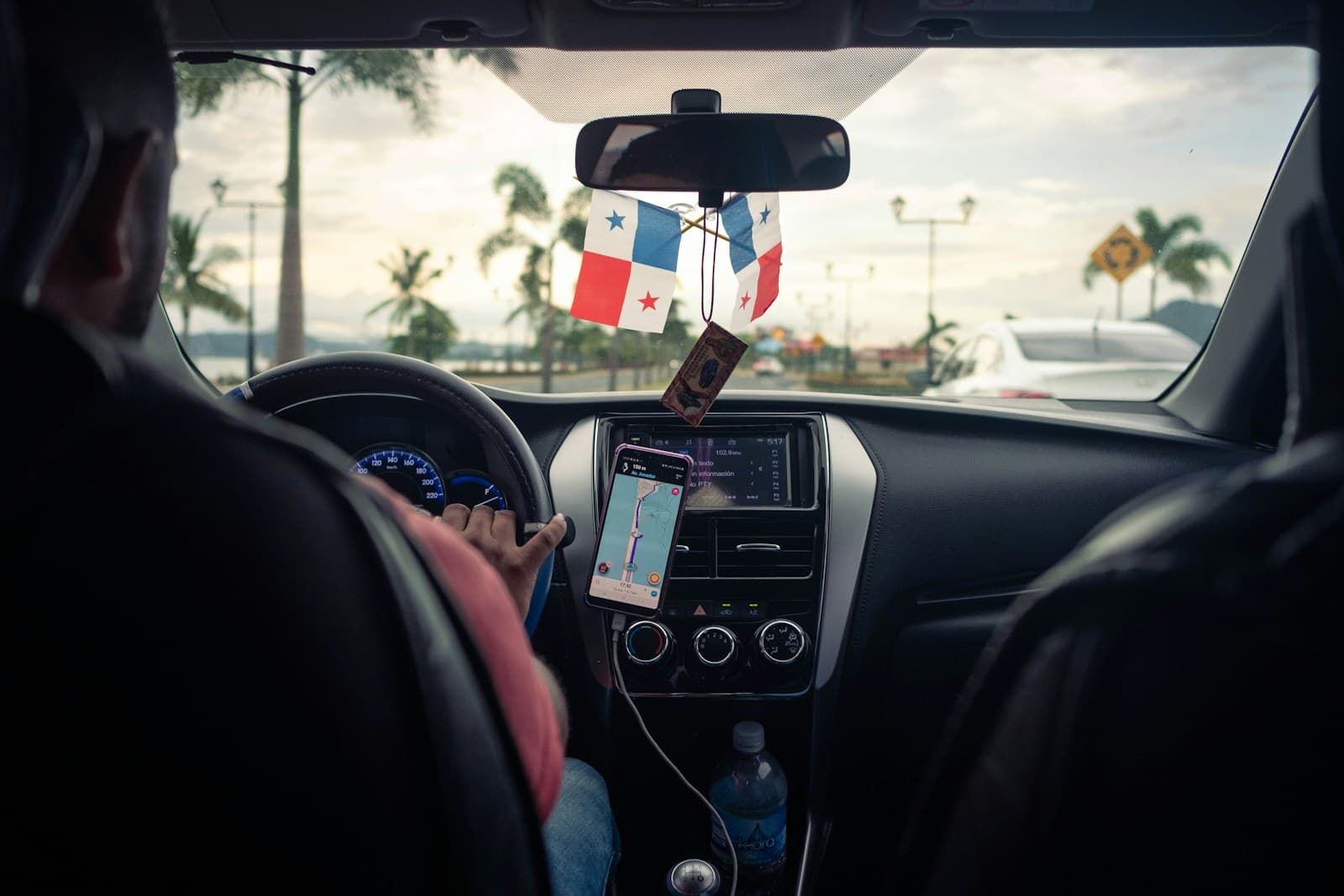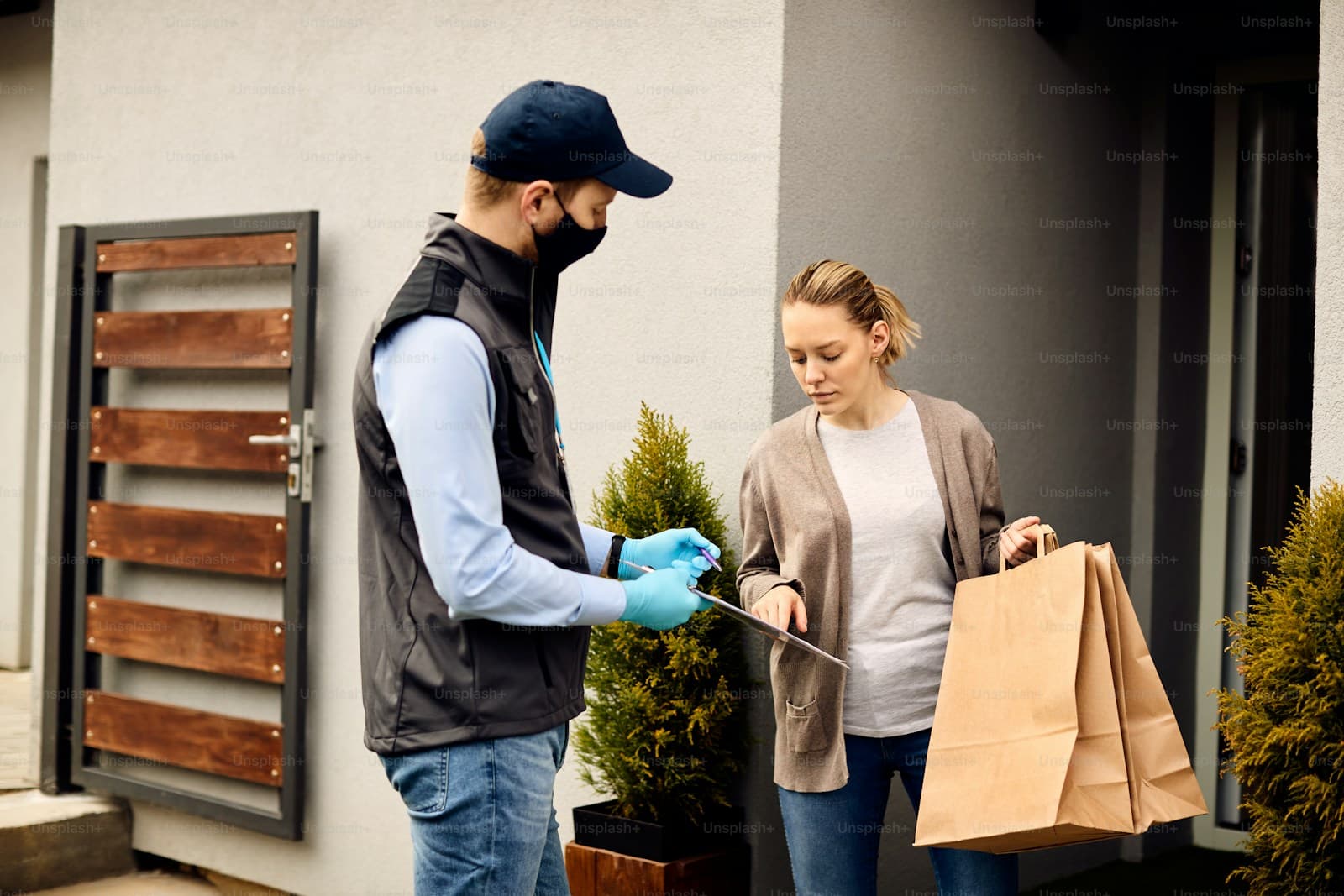
Your hardship petition was approved but Uber's background check team flagged your court order as insufficient documentation. Louisiana requires employer affidavits for rideshare—most drivers submit court orders alone and face deactivation before resubmission.
Why Rideshare Platforms Reject Louisiana Court-Approved Hardship Orders
Louisiana courts issue hardship licenses (officially termed "restricted driver's licenses") that permit work-related driving, including rideshare. The court order lists approved purposes and hours. Uber and Lyft accept hardship licenses in principle—their background check vendors flag them as provisional documentation requiring additional employer verification.
The disconnect: Louisiana Revised Statute 32:415 allows courts to approve hardship petitions based on employment need, documented through paystubs, offer letters, or contracts. Rideshare platforms operate as independent contractor networks, not traditional employers. Their compliance teams expect notarized employer affidavits confirming scheduled hours and route necessity—documentation formats courts don't require for gig work.
Most drivers submit the signed court order to Uber or Lyft assuming platform approval follows automatically. Background check vendors (Checkr for Uber, Sterling for Lyft) escalate the case as "incomplete documentation." The driver's account remains suspended or the new driver onboarding stalls. By the time the rejection email arrives, 10-14 days have passed. Resubmission with corrected documentation restarts the queue.
The workaround: obtain a notarized affidavit from the rideshare platform itself—or from a documented business entity you contract through—before submitting to background check. Some drivers register an LLC, operate as the business owner, and self-certify the affidavit. Others request Lyft or Uber's regional operations office (not driver support chat) to issue written confirmation of contract status and expected hours. Notarization is non-negotiable.
What Louisiana Courts Actually Require for Rideshare Hardship Petitions
Louisiana hardship license petitions filed under R.S. 32:415 require proof of employment necessity. Traditional employees submit employer letters on company letterhead confirming job title, scheduled hours, and work address. Rideshare drivers submit 1099-MISC forms, platform earnings summaries, and screenshots of completed trips.
Judges approve these petitions routinely—rideshare qualifies as employment under Louisiana case law interpreting "necessary for the operation of the household or family." The court order specifies approved hours (typically 5 AM to midnight for rideshare) and approved purposes ("work-related travel including independent contractor rideshare services"). The order does not require route addresses because rideshare destinations vary.
The court order alone satisfies OMV reinstatement requirements. You receive a physical restricted license card valid for the suspension period (typically 90 days to 1 year depending on DUI conviction count). OMV does not verify employer affidavits—only that the court order is filed and fees paid.
Background check vendors operate under different compliance frameworks. They flag gig workers as higher-risk because scheduled hours and fixed routes don't exist. The notarized affidavit closes that gap by transforming variable gig work into documented scheduled work. The affidavit format matters: "John Doe is contracted to provide rideshare services approximately 40 hours per week, Monday-Sunday, 5 AM to midnight, within Orleans and Jefferson parishes" reads as verifiable. "John Doe drives for Uber" does not.
Compare car insurance rates in your state
Get quotes from licensed carriers — no obligation, no spam, results in minutes.
Get Your Free Quote✓ No Obligation Required✓ Licensed Carriers Only✓ Available Nationwide✓ Free to Compare
How to Structure the Employer Affidavit Rideshare Platforms Accept
The affidavit must be notarized, printed on letterhead (if the signer represents a business entity), and signed by someone other than you—unless you operate through an LLC you own. Required elements: (1) signer's full name and title, (2) your full name as it appears on the hardship license, (3) description of work as independent contractor rideshare driver, (4) approximate weekly hours, (5) geographic service area, (6) statement that driving is necessary for contract performance, (7) notary seal and signature.
If you're reactivating an existing Uber or Lyft account, contact the platform's Greenlight Hub (Uber) or driver support center (Lyft) in person if available in Baton Rouge, New Orleans, or Shreveport. Explain you hold a court-approved hardship license and need written verification of contract status for background check resubmission. Some hubs issue letters on Uber letterhead; others direct you to the online help portal, which does not generate this document. Persistence matters—phone and chat support cannot issue affidavits, but hub staff sometimes can.
If the platform won't issue documentation, the LLC workaround functions: register a Louisiana LLC with the Secretary of State ($100 filing fee), add yourself as registered agent, contract with Uber/Lyft under the LLC's EIN rather than your SSN, then draft an affidavit on LLC letterhead certifying your role as driver-contractor. You sign as LLC manager; a notary witnesses. This creates a verifiable business entity the background check vendor can cross-reference.
Alternative: some drivers use a registered rideshare fleet operator as the affidavit signer. Fleet operators contract multiple drivers under a business entity and can issue employer-style letters. This adds a revenue-share arrangement (typically 10-15% of gross fares) but solves the documentation problem immediately.
Timeline: Petition Approval to Platform Reactivation
Louisiana hardship petition hearings occur 15-30 days after filing, depending on parish court dockets. Orleans Parish averages 21 days; smaller parishes like Terrebonne or St. Tammany average 18 days. The hearing lasts 10-15 minutes. Approval is same-day if all documentation is present.
After court approval, you pay the OMV reinstatement fee ($100 for first-offense DUI hardship license) and SR-22 filing fee (varies by carrier, typically $25-$50). OMV issues the physical restricted license card within 7-10 business days. You can drive legally once the card is in hand.
Background check resubmission begins after you receive the restricted license. Upload the court order, the restricted license image, and the notarized employer affidavit to the platform's background check portal (Checkr for Uber, Sterling for Lyft). Processing takes 5-10 business days for reactivations, 10-14 days for new driver applications.
If documentation is rejected again—usually because the affidavit wasn't notarized or doesn't specify hours—you resubmit and wait another 5-10 days. The second rejection often includes specific deficiency notes. Most drivers clear on the second attempt.
Total timeline from petition filing to platform reactivation: 6-9 weeks if all documentation is correct on first submission. Budget 10-12 weeks if resubmission is needed. This assumes no court continuances and no OMV processing delays.
SR-22 Insurance: What Rideshare Hardship Licenses Actually Require
Louisiana requires SR-22 filing for all hardship licenses issued after DUI suspension under R.S. 32:414 and 32:415. The SR-22 is a continuous proof-of-insurance certificate filed by your carrier with OMV. It confirms you carry Louisiana's minimum liability limits: $15,000 bodily injury per person, $30,000 per accident, $25,000 property damage.
Rideshare presents a coverage gap. Personal auto policies exclude commercial activity—your carrier will deny claims that occur while the Lyft or Uber app is open, even if you have no passenger. Rideshare platforms provide contingent liability coverage (Uber: $50,000/$100,000/$25,000 when app is on but no trip accepted; Lyft similar). This coverage does not satisfy SR-22 filing requirements because it's not primary and it's not filed as SR-22 with OMV.
You need two policies: (1) a personal auto policy with SR-22 endorsement covering personal use and compliance, (2) rideshare-specific coverage or a commercial auto policy covering period 1 (app on, no passenger). Some carriers offer rideshare endorsements that extend personal coverage to app-on periods for $15-$30/month. Not all SR-22 carriers offer rideshare endorsements.
Non-standard carriers that write SR-22 policies in Louisiana and offer rideshare endorsements: Progressive, State Farm (select agents), Allstate (select agents). Carriers that write SR-22 but do not offer rideshare endorsements: GAINSCO, Direct Auto, Dairyland. If your SR-22 carrier won't endorse for rideshare, you'll need a separate commercial rideshare policy—monthly premiums run $200-$400 depending on violation history.
Some drivers operate on personal SR-22 policies alone and disable the rideshare app outside of active trips, relying on the platform's period 2 and 3 coverage (passenger en route or in vehicle). This leaves period 1 uninsured. If you're stopped during a traffic check while the app is on, OMV can verify your SR-22 is active but won't verify rideshare endorsement—that exposure appears only at claim time.
What Happens If You Drive for Rideshare Without Proper Documentation
Operating a vehicle under a Louisiana hardship license outside approved purposes or hours is a violation of the court order and qualifies as driving under suspension. R.S. 32:415.1 treats hardship license violations as new offenses—judges can revoke the hardship license immediately and extend the underlying suspension by 90-180 days.
If you activate your Uber or Lyft account using only the court order (without the employer affidavit clearing background check), the platform will deactivate your account once the background check completes. This typically happens 7-14 days after you start driving. Completed trips during that window are paid, but the account locks. Reactivation requires resubmitting corrected documentation and waiting another review cycle.
If you're pulled over while driving for rideshare and the officer verifies your hardship license status, they'll check whether your current trip aligns with approved purposes. Rideshare qualifies as work-related if your court order explicitly lists independent contractor work or rideshare. If your order lists only "employment travel to and from ABC Company, 123 Main St" as the approved purpose, rideshare trips are out-of-scope. The officer can issue a citation for hardship license violation, which triggers a show-cause hearing.
Insurance claims during rideshare periods under a personal-only SR-22 policy are denied. The carrier confirms coverage at the time of the accident, sees the rideshare app was active or the passenger was present, and denies the claim as commercial use. You're personally liable for damages. If the platform's contingent coverage applies (periods 2 or 3), it covers third-party liability but not your vehicle. If you caused the accident during period 1 (app on, no passenger), no coverage applies.
Cost Summary: What You'll Pay Start to Finish
Court filing fee for hardship petition: $150-$250 depending on parish. Orleans Parish charges $200. Attorney fees if you hire representation: $500-$1,200 for a straightforward DUI hardship petition. Most drivers file pro se using court-provided forms.
OMV reinstatement fee: $100 for first-offense DUI hardship license. SR-22 filing fee: $25-$50 one-time, charged by your insurance carrier. Monthly SR-22 insurance premium: $140-$250/month for non-standard carriers post-DUI, compared to $80-$120/month for clean-record drivers.
Notary fee for employer affidavit: $10-$25 per signature. LLC registration (if using the LLC workaround): $100 filing fee with Louisiana Secretary of State, plus $30 annual report fee.
Rideshare endorsement (if your carrier offers it): $15-$30/month added to your existing premium. Separate commercial rideshare policy (if your SR-22 carrier won't endorse): $200-$400/month depending on coverage limits and violation history.
Ignition interlock device (IID) if required by your court order: $75-$125 installation, $75-$100/month monitoring and calibration. Louisiana requires IID for first-offense DUI if BAC was 0.15% or higher, and for all second or subsequent offenses.
Total first-month cost: $800-$1,400 depending on whether you hire an attorney, need IID, and whether your SR-22 carrier offers rideshare endorsement. Monthly carrying cost during the hardship period: $230-$525 (insurance + IID if required).