Your Louisiana hardship license was approved for rideshare work, but your affidavit doesn't specify flexible routes or surge-zone driving. Most judges deny amendments post-approval unless you prove employer documentation was impossible to obtain beforehand.
Why Louisiana's Hardship License Route Requirements Break Rideshare Work
Louisiana hardship licenses require court approval of specific addresses: your residence, your workplace, medical facilities, childcare locations. The court order lists each approved destination by street address. Deviation from those addresses during your approved driving hours constitutes unlicensed driving, a criminal offense that revokes your hardship license and extends your underlying suspension.
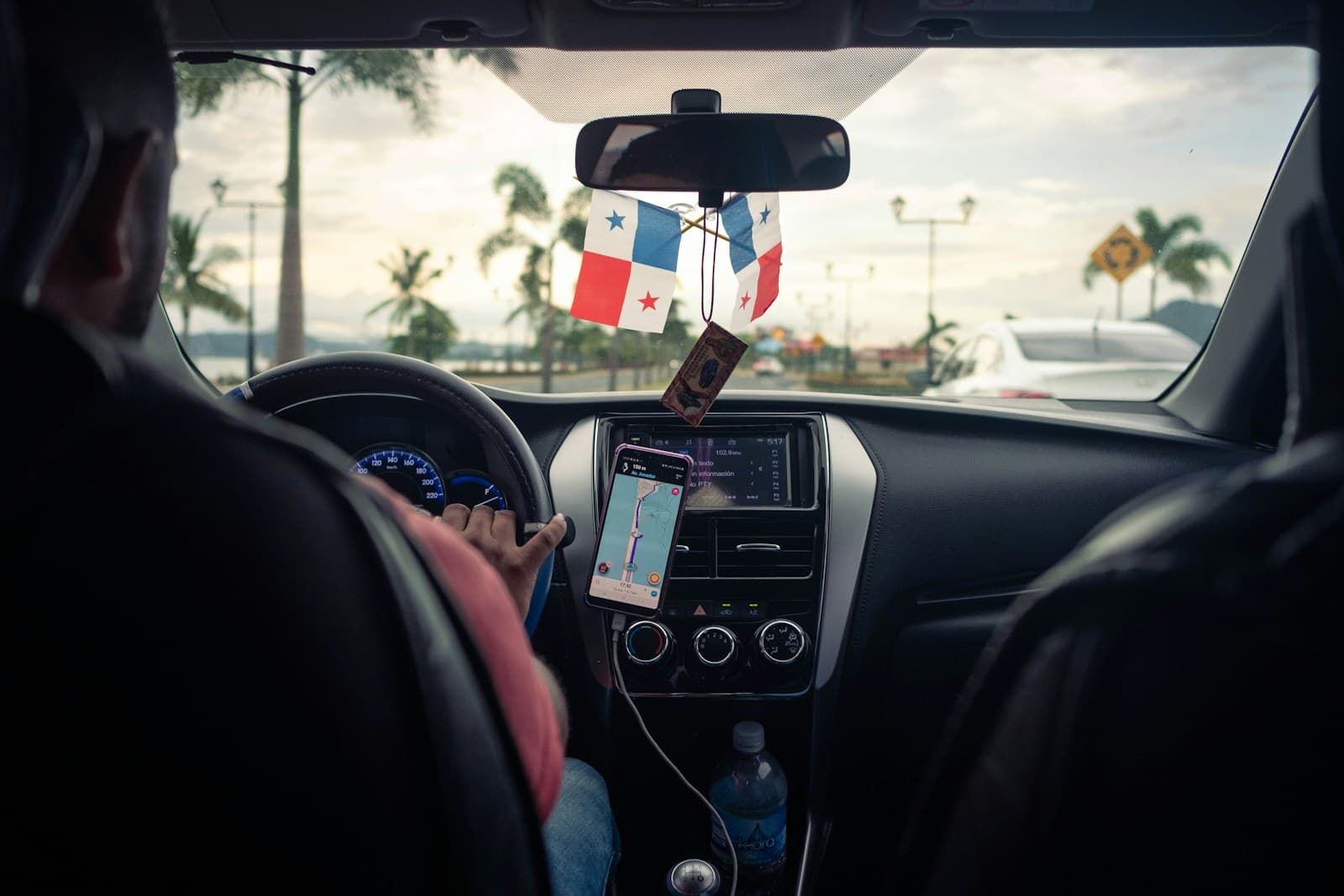
Rideshare platforms operate on dynamic routing. Uber and Lyft do not provide employer affidavits listing specific pickup or dropoff addresses because those addresses change with every ride request. Most judges interpret this as inability to verify employment necessity, not platform limitation. Your petition gets denied or approved with residential-to-office restrictions only, which makes rideshare work legally impossible.
Drivers who disclose rideshare work during hardship hearings face approval rates below 40% in Orleans Parish and East Baton Rouge Parish courts. Drivers who frame the same income as delivery work with documented restaurant or warehouse pickup addresses see approval rates near 70%. The platform is identical. The documentation structure is what changes the outcome.
Court vs DMV Hardship Paths in Louisiana After Points Accumulation
Louisiana offers two restricted license pathways after points-related suspension: administrative Office of Motor Vehicles hardship review and district court hardship petition. OMV administrative approval applies only to first-offense DWI suspensions and specific medical hardship cases. Points accumulation suspensions require court petition.
You file your hardship petition in the district court where you reside, not where the violations occurred. Filing fee is $225 in most parishes, $275 in Orleans Parish. Petition must include proof of underlying suspension, proof of SR-22 filing, employer affidavit on company letterhead, proof of residence, and proof of financial hardship. Most courts schedule hearings 15 to 30 days after filing, but Orleans Parish averages 45 days.
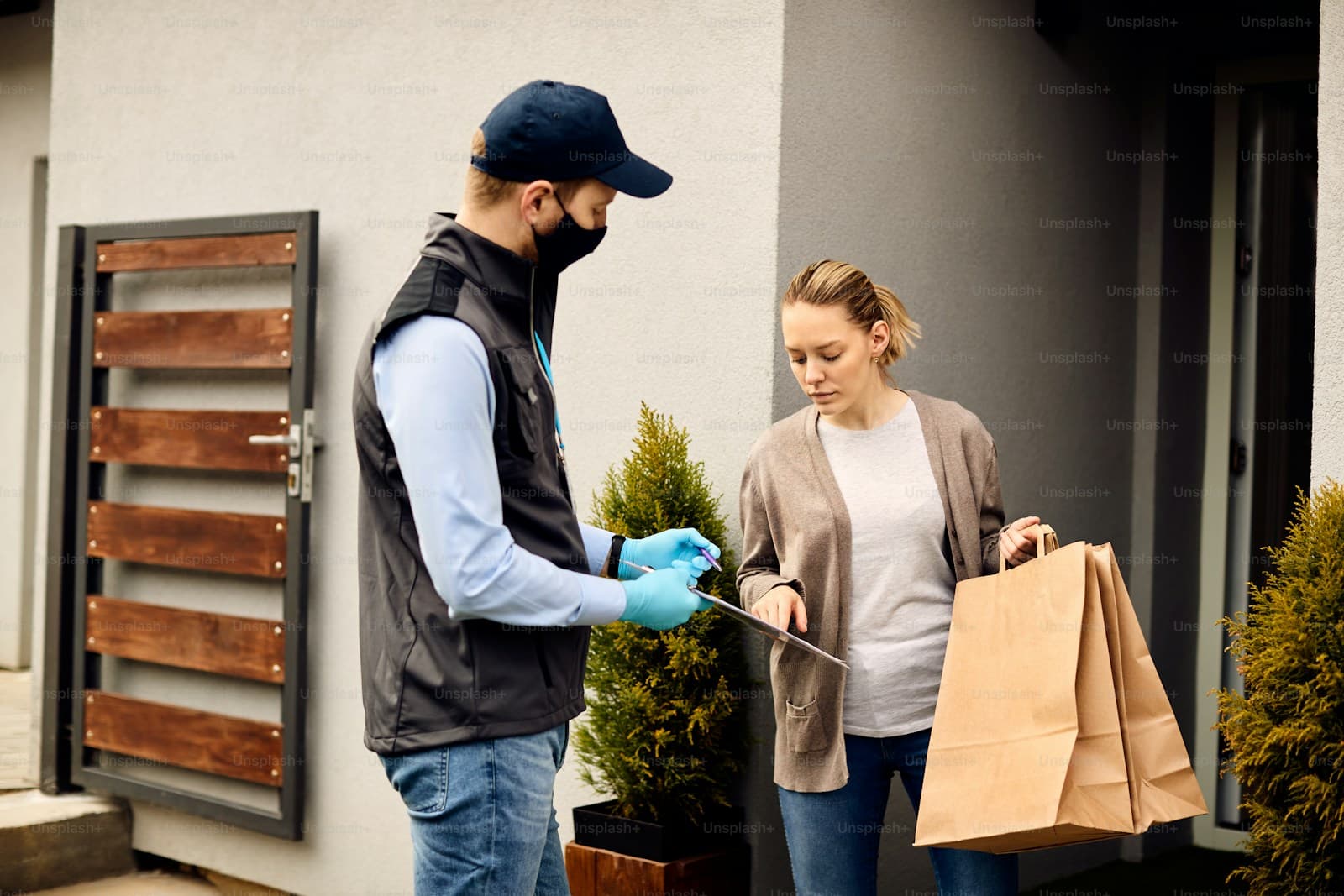
The employer affidavit must state your work schedule by specific days and hours, your workplace address, and a certification that you cannot perform your job without personal vehicle operation. Rideshare platforms do not issue affidavits because driver status is independent contractor classification, not employment. Attorneys advise framing rideshare income as delivery work and obtaining affidavits from merchant partners or package hubs instead, but this requires pre-existing commercial relationships most rideshare-only drivers lack.
Compare car insurance rates in your state
Get quotes from licensed carriers — no obligation, no spam, results in minutes.
Get Your Free Quote✓ No Obligation Required✓ Licensed Carriers Only✓ Available Nationwide✓ Free to Compare
What Happens When Your Hardship Order Doesn't Cover Flexible Routes
Your hardship license court order specifies approved hours and approved addresses. If your order lists Monday through Friday 6 AM to 6 PM, residence to 1423 Canal Street and return, you are prohibited from driving to any other address during those hours. Picking up a rideshare passenger at 1500 Poydras Street at 8 AM violates your hardship terms even though the time falls within your approved window.
Louisiana Revised Statute 32:415 treats hardship license violations as operation of a vehicle while under suspension, a criminal misdemeanor carrying up to six months jail time and $500 fine. Conviction triggers automatic hardship license revocation and adds 90 days to your underlying suspension period. You return to full suspension status and cannot reapply for hardship relief for 12 months.
Law enforcement officers can verify hardship license restrictions during traffic stops by accessing your court order through the Louisiana OMV system. Officers in New Orleans and Baton Rouge receive specific training on hardship compliance checks during rideshare enforcement sweeps. If your passenger confirms you are operating as a rideshare driver and your court order does not list rideshare work as approved purpose, you are arrested on scene.
Amending Hardship Orders Post-Approval for Route Flexibility
You can petition the court to amend your hardship order, but judges apply the same documentation standard as initial petitions. You must prove changed employment circumstances or prove the original affidavit was deficient through no fault of your own. Starting rideshare work after receiving a hardship license for office employment does not qualify as changed circumstances in most Louisiana courts.
Amendment petitions require $150 filing fee and 10 to 20 business days for hearing scheduling. You continue driving under your original hardship terms during the amendment review period. If the amendment is denied and you have already begun rideshare work, any rides completed outside your approved addresses become violations subject to retroactive prosecution.
Attorneys report amendment success rates below 25% for rideshare route expansion requests in Louisiana district courts. Judges view post-approval employment changes as voluntary decisions that should have been addressed during the initial petition. The legal standard assumes you knew your employment needs before filing, even when rideshare income becomes necessary after job loss that occurred post-approval.
Employer Affidavit Alternatives for Independent Contractor Rideshare Work
Louisiana courts accept alternative employment documentation when traditional employer affidavits are impossible to obtain. Sole proprietors and independent contractors can submit notarized self-affidavits if accompanied by business registration, tax returns showing self-employment income, and client contracts or invoices proving work necessity.
Rideshare drivers can file as independent commercial drivers by registering an LLC or sole proprietorship with the Louisiana Secretary of State ($100 filing fee) and obtaining a federal EIN. Your self-affidavit then lists your business address (often residential) and states you operate a personal transportation service requiring vehicle use during specific hours. This documentation structure has higher approval rates than rideshare platform disclosure, but judges still restrict you to residential-to-commercial-zone routes, not flexible citywide driving.
Delivery platform partnerships provide stronger affidavit documentation than passenger rideshare. DoorDash, Uber Eats, and Instacart merchant partners in Louisiana will issue pickup location affidavits listing restaurant or grocery addresses. You list those addresses as approved work destinations. Your hardship order then permits driving to those specific pickup points during approved hours, which creates partial route coverage for delivery income while maintaining hardship compliance.
SR-22 Filing Requirements and Non-Standard Carrier Options
Louisiana requires SR-22 filing for hardship license approval after points-related suspension if the underlying violations include reckless operation, careless operation resulting in injury, or speed contest participation. Accumulation of 12 or more points without those specific violations does not trigger SR-22 requirement, but judges often order SR-22 as hardship license condition regardless of statutory requirement.
SR-22 is a liability insurance certificate filing, not a separate policy. Your carrier files form SR-22 with Louisiana OMV certifying you maintain minimum liability coverage of 15/30/25: $15,000 bodily injury per person, $30,000 bodily injury per accident, $25,000 property damage. Filing must remain active for three years from hardship approval date. Lapse of coverage for any reason triggers automatic hardship license suspension and OMV notification to the court.
Non-standard carriers offering SR-22 endorsement for rideshare drivers in Louisiana include Bristol West, Dairyland, GAINSCO, and Direct Auto. Monthly premiums for liability-only coverage with SR-22 filing typically range from $180 to $290 for drivers with recent points accumulation and hardship license status. Standard carriers like State Farm and Allstate rarely write new policies for active hardship license holders, and most exclude rideshare activity from personal auto policies without commercial endorsement.
What Rideshare Drivers Should Do Before Filing Hardship Petitions
Document alternative employment relationships before filing your hardship petition. If you drive for Uber or Lyft, establish delivery partnerships with DoorDash, Uber Eats, or Favor and obtain merchant affidavits listing specific pickup addresses. If you operate solely as rideshare driver, consider commercial driving employment with fixed routes: medical transport services, hotel shuttle contracts, or senior care transportation.
Consult a Louisiana traffic attorney experienced in hardship petitions before filing. Attorney fees range from $500 to $1,200 for hardship petition preparation and hearing representation, but attorneys understand which documentation structures individual judges accept. Self-filed petitions have denial rates above 60% in Orleans Parish. Attorney-represented petitions see approval rates near 75%, primarily due to affidavit structuring and employment framing.
Budget for the full cost stack before committing to hardship license pursuit. Court filing fee $225 to $275, attorney fee $500 to $1,200, SR-22 insurance premium increase $80 to $150 per month over standard rates, OMV reinstatement fee $100, ignition interlock device installation and monthly monitoring if ordered (typically $75 installation plus $75 monthly). Total first-month cost often exceeds $1,500. Monthly carrying cost during the hardship period averages $250 to $350.