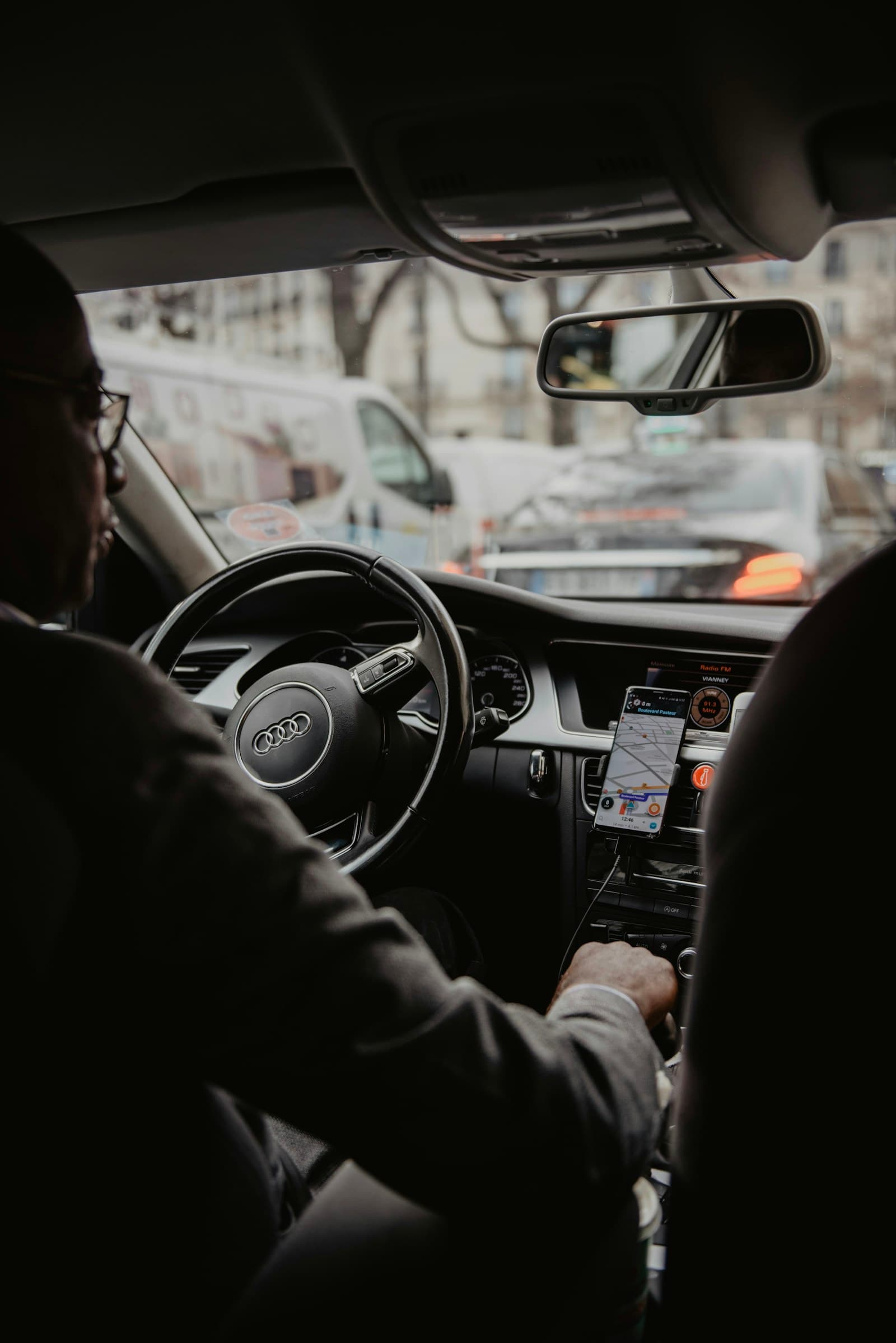
Maryland courts require rideshare drivers to submit corporate employer affidavits for restricted license petitions, but Uber and Lyft classify drivers as independent contractors and refuse to sign—most drivers don't learn this until their hearing date.
Why Maryland Courts Reject Rideshare Work for Restricted Licenses
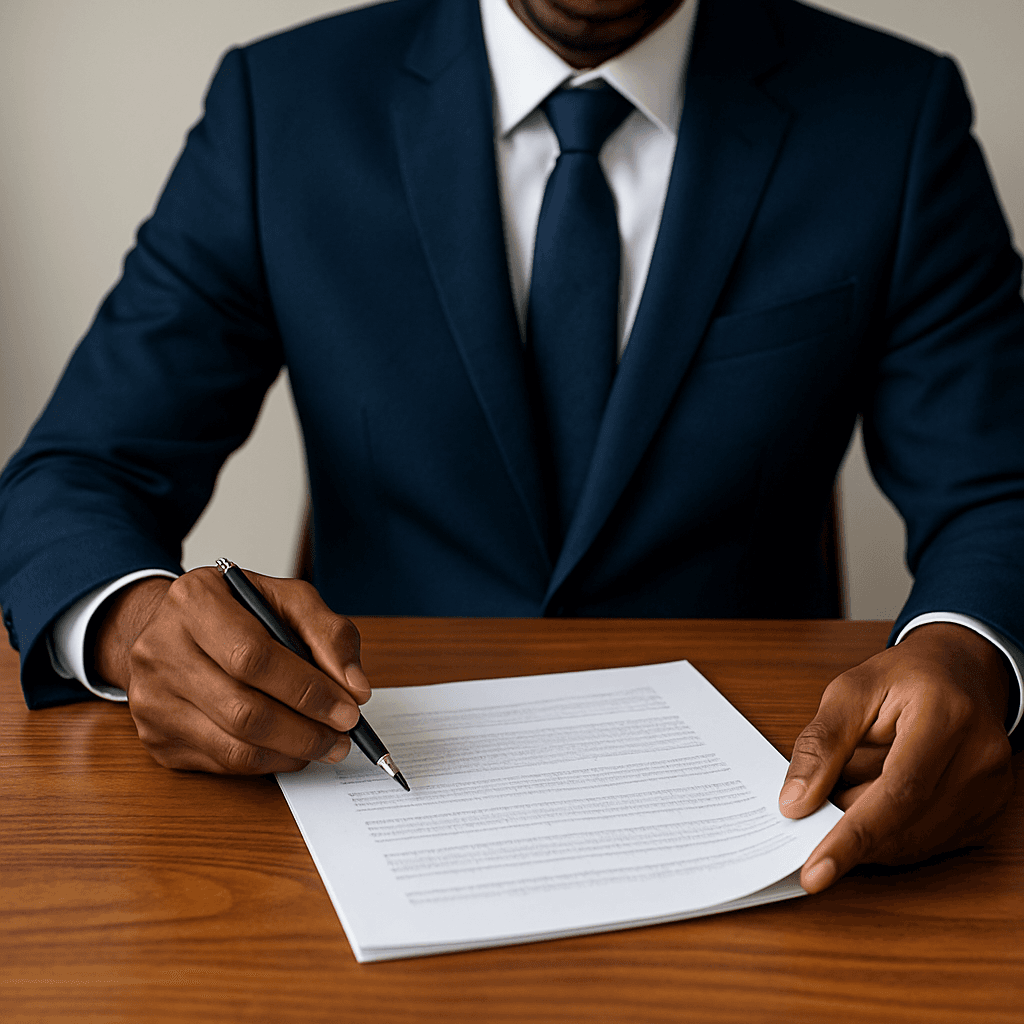
Maryland restricted license petitions require a notarized employer affidavit confirming your work schedule, job location, and employment status. Uber and Lyft classify drivers as independent contractors, not employees, and their corporate policy prohibits signing employer affidavits for restricted license proceedings. The court interprets this refusal as proof you don't meet the employment requirement for work-related driving privileges.
Most drivers discover this barrier at their hardship hearing after filing the petition, paying the $50 court filing fee, and scheduling SR-22 coverage. The MVA doesn't pre-screen employer documentation before your hearing date. If you show up without a compliant employer affidavit, the judge denies the petition on the spot. You forfeit the filing fee and face a 30-day waiting period before refiling.
The problem is structural. Maryland Transportation Code § 16-304 defines restricted licenses as privileges granted for employment necessity, medical treatment, and educational purposes. Courts interpret employment as traditional W-2 employment with a single verifiable employer who can attest to your schedule and supervise your compliance with restricted driving hours. Gig platform work doesn't fit this framework because drivers set their own schedules, work for multiple platforms simultaneously, and have no direct supervisor who can verify route compliance.
What the Court Order Documentation Actually Requires
The District Court judge at your restricted license hearing expects three documents: the employer affidavit, your work schedule for the restriction period, and proof of SR-22 filing. The employer affidavit must be on company letterhead, signed by a direct supervisor or HR representative with their title and contact information, and notarized within 30 days of your hearing date. It must state your job title, work address, days and hours you're required to work, and confirmation that you need a personal vehicle to perform your job duties.
Uber and Lyft's contractor agreements explicitly state drivers are not employees. Their legal departments refuse to provide affidavits, letters of employment, or schedule verification for court proceedings. Some drivers try submitting screenshots of their app earnings or trip logs as proof of work necessity. Maryland courts reject these uniformly because they don't satisfy the employer affidavit requirement and don't prove you can't reach the work location via public transit.
The work schedule submitted alongside the affidavit must show fixed hours and destinations. Maryland restricted licenses authorize driving during specific time windows to and from specific addresses. Most judges approve 5-day work weeks with 1-hour commute windows each direction. Rideshare work has no fixed destination and no predictable schedule, which means the court can't draft a compliant restricted license order even if the employment question were resolved.
Compare car insurance rates in your state
Get quotes from licensed carriers — no obligation, no spam, results in minutes.
Get Your Free Quote✓ No Obligation Required✓ Licensed Carriers Only✓ Available Nationwide✓ Free to Compare
Traditional Employment Alternatives That Courts Accept
Maryland judges approve restricted license petitions at approximately 72% when drivers submit compliant employer affidavits from traditional employers. W-2 employment with a fixed job site, consistent schedule, and direct supervisor signature meets the documentation standard every time. The hearing takes 10-15 minutes, and approved orders issue the same day.
Drivers who lose rideshare income after DUI suspension often take warehouse, retail, delivery driver (with company-owned vehicles), or shift work positions specifically to qualify for a restricted license. Amazon delivery station jobs, grocery store positions, and manufacturing third-shift roles all provide the employer documentation courts require. The restriction period for first-offense DUI in Maryland is 45 days minimum—many drivers accept temporary lower-paying employment during that window to maintain any driving privilege at all.
Some drivers attempt to structure rideshare work as self-employment and submit business registration documents with client letters. Maryland courts treat self-employed drivers inconsistently. Judges in Baltimore City and Prince George's County have denied petitions from independent contractors even when they submit customer letters, arguing that self-employment doesn't create the same accountability structure as employer-supervised work. Anne Arundel and Howard County judges have occasionally approved petitions from self-employed drivers with fixed-location service businesses—contractors who travel to job sites at customer addresses—but never for app-based gig work with variable destinations.
How SR-22 Filing Timing Affects Your Petition Strategy
Maryland requires SR-22 filing before your restricted license hearing. You must show proof of SR-22 coverage at the hearing, and the filing must remain active for the full 3-year supervision period following a first DUI conviction. Monthly SR-22 premiums in Maryland for drivers with DUI suspensions typically range from $95 to $160 through non-standard carriers like Dairyland, The General, and Bristol West.
Most drivers secure SR-22 coverage 7-10 days before their scheduled hearing date. If you file the restricted license petition without confirming your employer will provide the required affidavit, you've paid for SR-22 coverage you can't use because the petition will be denied. The carrier still charges the first month's premium and the SR-22 endorsement fee even if you cancel coverage after the denied hearing. That's $150-$200 in sunk costs before you address the employment documentation problem.
The correct sequence is: confirm your employer will sign the affidavit and provide the work schedule, file your restricted license petition with the District Court, schedule your hearing date, then secure SR-22 coverage 7-10 days before the hearing. Reversing this order wastes money on coverage you can't activate without an approved court order. The MVA won't issue a restricted license until you present both the signed court order and active SR-22 proof of filing.
The 30-Day Refiling Window After Denial
Maryland courts impose a 30-day waiting period after denying a restricted license petition before you can file again. This waiting period applies regardless of why the petition was denied—missing employer affidavit, incomplete SR-22 documentation, or failure to complete the first 7 days of your suspension before filing. You cannot appeal the denial or request an expedited rehearing. The 30 days run from the hearing date, not from when you secure compliant documentation.
Drivers who lose their first hearing because Uber or Lyft refused to sign an affidavit face a choice: find traditional W-2 employment that will provide the required documentation, or serve the full suspension period without any driving privilege. The full suspension for first-offense DUI in Maryland is 45 days minimum, 6 months maximum depending on BAC level and prior record. If you're 30 days into the suspension when your petition is denied, and you need 30 more days to refile, the restricted license window shrinks to 15 days or less of actual restricted driving time.
Some drivers use the 30-day refiling window to accept temporary employment specifically for documentation purposes. Warehouse staffing agencies, delivery companies, and retail chains hire quickly and provide employer affidavits within days of onboarding. This strategy works only if you're willing to commit to that employment for the full restricted license period—judges have denied second petitions when drivers admit they plan to return to rideshare work immediately after reinstatement.
Total Cost Stack for Maryland Restricted License and SR-22
Maryland's restricted license process involves five separate fee categories. The District Court filing fee is $50. The MVA restricted license issuance fee is $50. SR-22 coverage for a first-offense DUI driver typically costs $95-$160 per month, with most carriers requiring 2-3 months paid upfront. The SR-22 endorsement fee ranges from $25 to $50 as a one-time charge. If you hire an attorney to prepare your petition and attend the hearing, expect $500-$800 in legal fees.
Total upfront cost for a restricted license petition without an attorney: approximately $350-$500 including court fees, MVA fees, and first month's SR-22 premium. With an attorney: $850-$1,300. This cost assumes your petition is approved on the first hearing. If your petition is denied and you refile 30 days later, you pay the $50 court filing fee again and potentially lose the first month's SR-22 premium if you cancel coverage between hearings.
The 3-year SR-22 filing period creates the largest ongoing cost. At $95-$160 per month for 36 months, total SR-22 coverage cost ranges from $3,420 to $5,760 over the full supervision period. Maryland does not allow restricted license holders to use non-owner SR-22 policies—you must insure an actual vehicle you own or co-own, which means full liability coverage plus the SR-22 endorsement.
What Happens If You Drive for Rideshare on a Restricted License
Maryland restricted license court orders specify approved driving hours, approved routes, and approved purposes. Driving outside these parameters is considered driving on a suspended license under Maryland Transportation Code § 16-303, a misdemeanor punishable by up to 2 months imprisonment and a $500 fine for first violation. The restricted license is revoked immediately upon arrest, and your underlying suspension period is extended.
Rideshare driving violates restricted license terms in three ways. First, rideshare work requires driving outside your approved work hours and routes because trip requests are unpredictable. Second, rideshare passengers constitute unauthorized purposes—your court order authorizes driving to and from your approved employment location, not transporting paying customers to variable destinations. Third, Uber and Lyft commercial ride-sharing violates the personal-use-only restriction most Maryland judges include in restricted license orders.
Maryland State Police and local law enforcement monitor rideshare driver compliance through periodic platform data requests. If you're arrested for driving on a suspended license while logged into a rideshare app, the prosecutor treats this as willful violation of a court order rather than a mistake about route interpretation. Judges impose stricter penalties for commercial driving violations than for personal-route violations because commercial driving demonstrates deliberate disregard for the restriction terms. You'll serve the remainder of your original suspension without any restricted privilege, and you may face additional criminal penalties.