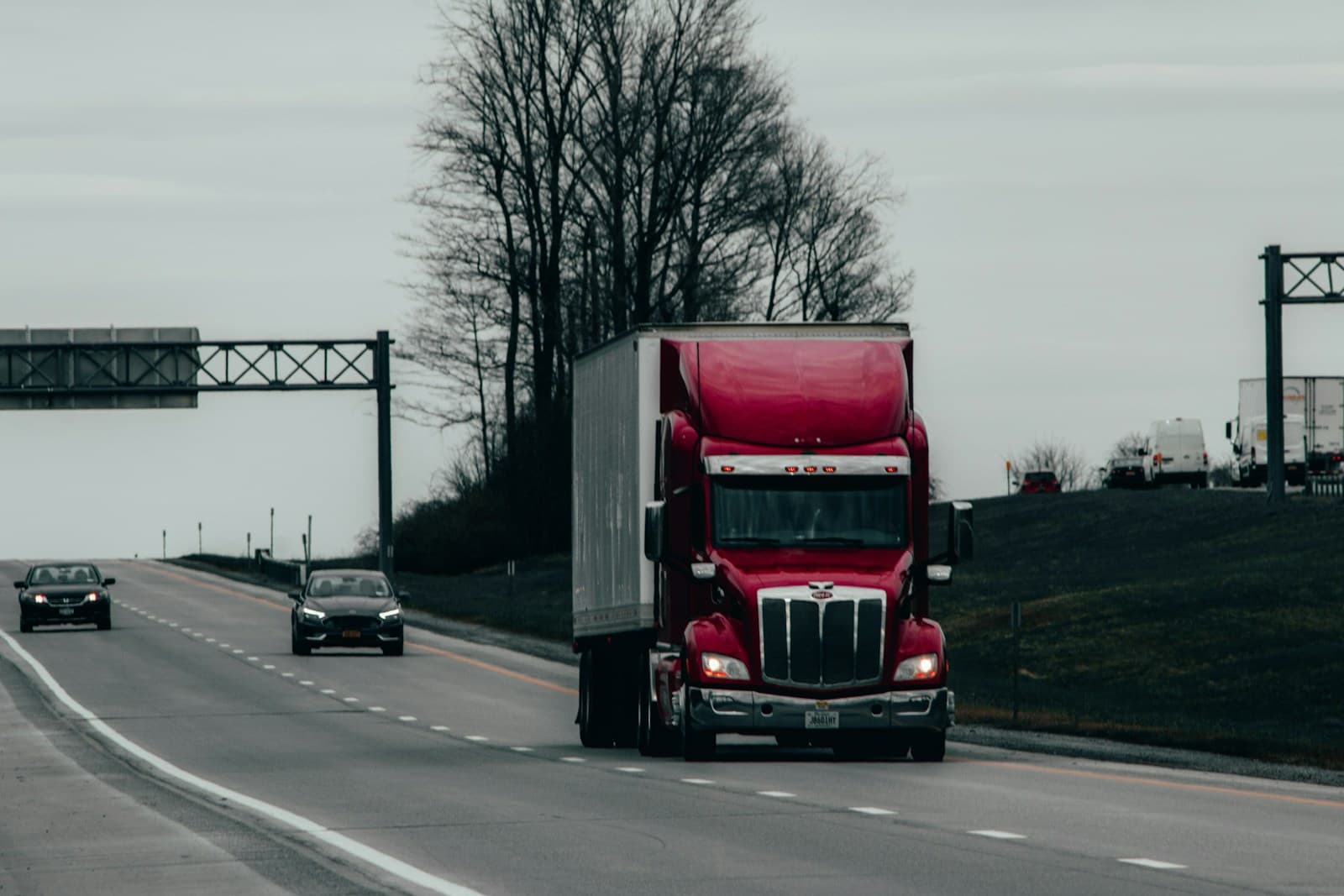
Minnesota courts require employer affidavits documenting commercial driving need before approving limited licenses for CDL holders—but most trucking companies won't sign until they see court approval, creating a documentation deadlock that delays reinstatement 4-6 weeks.
Why CDL holders face a documentation catch-22 in Minnesota limited license cases
Your CDL was suspended for reckless driving and your employer needs proof you can drive again before they'll hold your position. Minnesota law allows limited licenses for work purposes, but the court requires an employer affidavit documenting your commercial driving need before approving the petition. Most trucking companies and commercial carriers refuse to sign affidavits until they see court approval—they won't commit to employment for a driver who might not get licensed. This creates a circular documentation trap that delays reinstatement 4-6 weeks for drivers who don't know how to break the cycle.
The path forward requires breaking this deadlock before filing your petition. You need a conditional employment offer: a signed letter from your employer stating they will retain or rehire you contingent on court approval of your limited license. This is not the same document as the affidavit the court requires, but it demonstrates to the employer that you are actively pursuing reinstatement and gives the court enough employment verification to move forward.
Minnesota statute 171.30 governs limited license applications and requires proof of employment need, but the statute does not specify the exact format. Most Hennepin and Ramsey County judges accept conditional offer letters paired with job descriptions and route documentation. The key is demonstrating that your job requires commercial driving and that you have a defined schedule, approved routes, and employer supervision—all elements the court wants to see before granting restricted driving privileges.
What Minnesota courts actually require in employer documentation for commercial drivers
Minnesota limited license petitions for CDL holders must include: employer name and address, job title, work schedule with specific days and hours, routes driven (origin and destination addresses), vehicle type and weight class, confirmation that the position requires a valid CDL, and employer contact information for court verification. The affidavit must be notarized and signed by a supervisor or HR representative with authority to verify employment.
Judges in Minneapolis and St. Paul review commercial driving petitions with stricter scrutiny than passenger-vehicle cases. They look for route specificity: you cannot list "Minneapolis metro area" as your approved driving zone. You must document every origin and destination address you will drive between during approved hours. If your job requires pickups at multiple warehouses, every address must appear in the petition. Deviation from approved routes during approved hours still counts as driving without a valid license—most CDL holders don't realize route boundaries matter as much as time boundaries.
The court also requires proof of SR-22 insurance before approving the limited license. Reckless driving convictions in Minnesota trigger a 3-year SR-22 filing requirement under Minnesota Statutes 171.04. You must obtain SR-22 coverage from a non-standard carrier (Bristol West, Direct Auto, Dairyland, GAINSCO) that will issue a Certificate of Insurance before your court hearing. Most CDL holders assume their employer's commercial policy covers them during limited license periods—it does not. You need a personal SR-22 policy even if you only drive employer-owned vehicles.
Compare car insurance rates in your state
Get quotes from licensed carriers — no obligation, no spam, results in minutes.
Get Your Free Quote✓ No Obligation Required✓ Licensed Carriers Only✓ Available Nationwide✓ Free to Compare
How to break the employer signature deadlock before your court date
Start with your current or prospective employer's HR department. Explain that Minnesota courts require employer verification as part of the limited license petition process and that you need a conditional offer letter stating the company will retain or rehire you if the court approves your petition. Most HR departments understand conditional employment offers—they use them for background checks and licensing verifications in other contexts.
If your employer refuses to provide any documentation without court approval, request a meeting with your direct supervisor or fleet manager. Bring a draft affidavit template (available from most Minnesota DUI attorneys or the court clerk's office) and explain that you need this signed document to petition the court. Frame it as a compliance requirement, not a favor. Employers subject to DOT regulations understand license reinstatement processes and are more likely to cooperate when they see you following the legal pathway rather than asking for exceptions.
If your employer still refuses, consider documenting the refusal in writing and filing your petition with alternative employment verification: offer letters from other carriers, proof of CDL training completion, and documentation of your work history in commercial driving. Some judges accept petitions without employer affidavits if you can demonstrate job-search efforts and provide letters from prospective employers stating they would hire you contingent on license approval. This path takes longer and has a lower approval rate, but it moves the case forward when the circular documentation trap cannot be broken.
What happens if your limited license petition is denied
Minnesota courts deny approximately 30-40% of commercial limited license petitions, typically for incomplete route documentation, missing employer verification, or failure to provide proof of SR-22 coverage before the hearing. If your petition is denied, the court issues a written order explaining the deficiency. You can refile once you correct the documentation gaps, but each filing requires a new $50 petition fee and scheduling a new hearing date—expect 3-4 weeks between filings.
Denials for missing employer affidavits are the most common reason commercial petitions fail. Judges view unsigned affidavits or conditional offer letters alone as insufficient proof of employment need. You must return to your employer with the denial order, explain that the court requires the specific documentation, and request the signed affidavit. Some employers cooperate after seeing the court's formal documentation requirements; others still refuse.
If your employer refuses to sign after a denial, your options narrow significantly. You can hire an attorney to petition the court for a waiver of the employer affidavit requirement based on employer refusal, but this adds $500-$1,500 in legal fees and requires proving that the refusal is unreasonable. Alternatively, you can seek employment with a carrier willing to sign affidavits for drivers in reinstatement—these are typically smaller regional carriers or owner-operators who understand the limited license process from experience.
How SR-22 insurance works for CDL holders on limited licenses in Minnesota
Minnesota requires SR-22 filing for reckless driving convictions under Minnesota Statutes 171.04. The filing period is 3 years from the conviction date, and you must maintain continuous coverage without lapses. Your insurance carrier files the SR-22 certificate electronically with the Minnesota Department of Public Safety, and any lapse triggers automatic license re-suspension even if you are on a limited license.
CDL holders need personal SR-22 policies even when driving employer-owned commercial vehicles. Your employer's commercial liability policy does not satisfy the SR-22 requirement because the SR-22 filing attaches to you as a driver, not to the vehicle. You need a non-owner SR-22 policy if you only drive employer-owned vehicles, or a standard SR-22 policy if you own a personal vehicle. Non-owner policies typically cost $40-$80/month for CDL holders with reckless driving convictions; standard policies cost $140-$220/month depending on age and county.
SR-22 carriers for CDL holders include Bristol West, Direct Auto, Dairyland, GAINSCO, The General, and Safe Auto. Not all carriers write policies for drivers with commercial licenses—some exclude CDL holders from non-owner policies because of the elevated risk exposure. Call multiple carriers and specify that you need SR-22 coverage as a CDL holder on a limited license. The carrier must issue the SR-22 certificate before your court hearing, so request the filing at least 10 days before your petition date to allow processing time.
Timeline and cost breakdown for Minnesota limited license reinstatement
Expect 6-10 weeks from reckless driving conviction to approved limited license if you navigate the employer documentation process correctly. Week 1-2: obtain conditional offer letter or employer affidavit, gather route documentation, and apply for SR-22 insurance. Week 3-4: file limited license petition with the court ($50 filing fee), schedule hearing date, and wait for carrier to issue SR-22 certificate. Week 5-6: attend court hearing, receive approval or denial, and pay reinstatement fee ($680 for reckless driving suspensions in Minnesota). Week 7-8: receive limited license card from DVS, install ignition interlock device if required by court order (not standard for first-offense reckless driving), and return to work.
Total cost breakdown: $50 court petition fee, $680 DVS reinstatement fee, $400-$600 for 3 months of SR-22 insurance premiums (you must pay upfront for most non-standard carriers), $150-$300 for notarized affidavits and documentation, and $500-$1,500 in attorney fees if you hire representation. Total typical cost: $1,780-$3,130 before monthly SR-22 premiums for the remaining filing period.
If your employer refuses to sign affidavits and you must seek new employment, add 2-4 weeks to the timeline for job search and onboarding. If your petition is denied and you must refile, add 3-4 weeks per denial cycle. CDL holders who attempt to navigate the process without understanding the employer documentation requirements often face 12-16 week reinstatement timelines and $2,500+ in duplicated fees and lost wages.