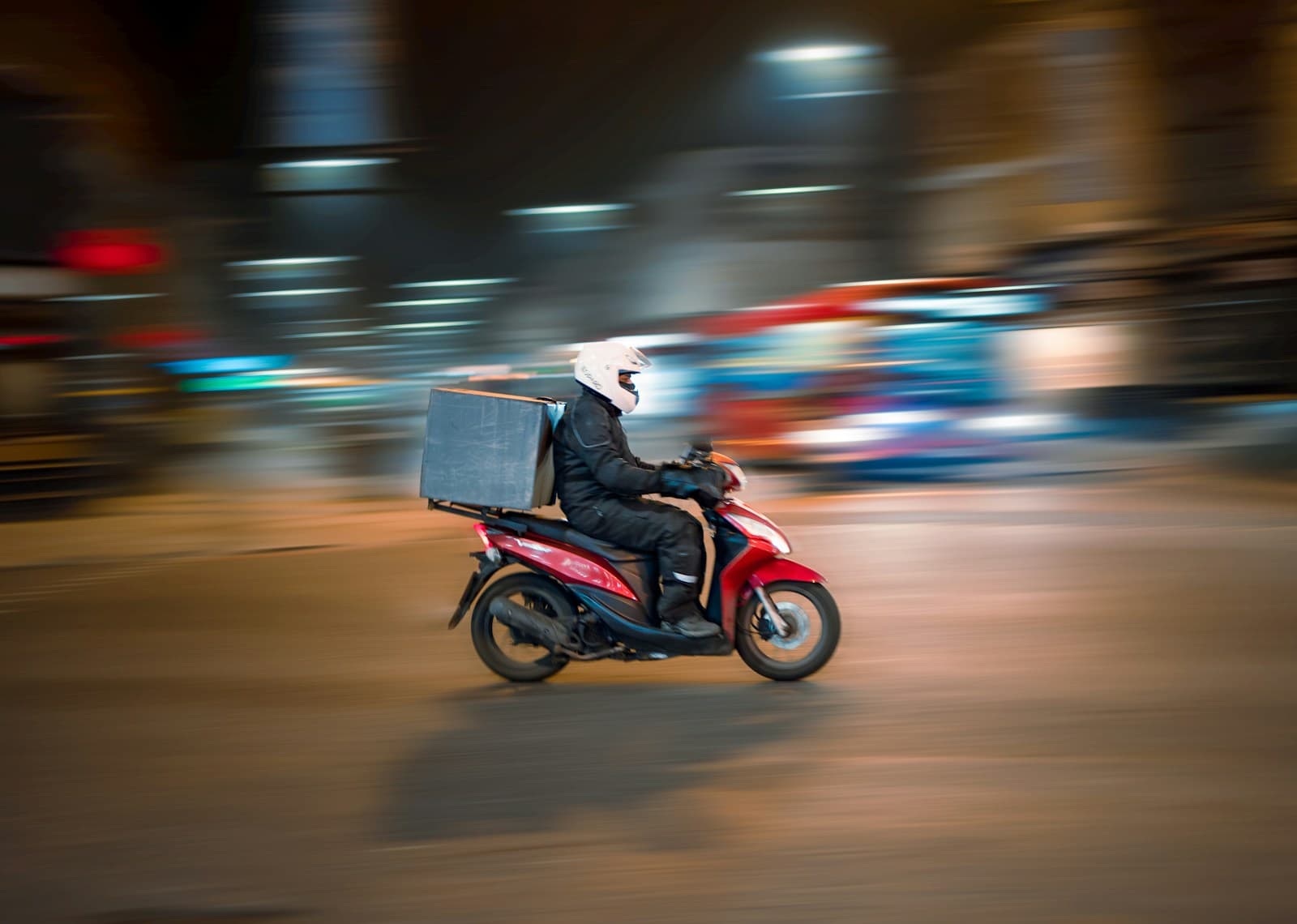
Missouri courts require employer affidavits for LDP approval, but Uber and Lyft classify you as an independent contractor—not an employee—leaving most rideshare drivers without the documentation judges expect.
Why Missouri Courts Deny LDP Petitions for Rideshare-Only Income
Missouri's Limited Driving Privilege application requires an employer affidavit confirming your work schedule, job duties, and need for driving. Rideshare platforms classify drivers as independent contractors, not employees, which means they typically will not provide the sworn employer statement courts expect. Most rideshare drivers submit platform earnings reports or screenshots instead—documentation judges routinely reject because it lacks the legal weight of an employer-signed affidavit under penalty of perjury.
Jackson County and St. Louis County circuits deny approximately 40% of LDP petitions at hardship hearings when employment documentation fails to meet the statutory standard. The gap is procedural, not substantive: your income is real, but the documentation format doesn't satisfy Missouri Revised Statute 302.309's employer verification requirement. Judges cannot approve petitions based on self-reported income or platform-generated summaries without sworn third-party confirmation.
Drivers who hold a W-2 job in addition to rideshare work can submit the employer affidavit from that job and petition for hours covering both. Drivers whose only income is rideshare face a documentation dead-end unless they restructure their work arrangement or secure alternative employment before filing. The court does not evaluate your financial need—it evaluates whether your petition meets the procedural checklist.
What Reckless Driving Suspensions Require in Missouri
A reckless driving conviction under Missouri RSMo 577.010 suspends your license for 30 days to 1 year depending on prior record and whether the incident involved injury or property damage. First-time reckless convictions typically result in a 90-day administrative suspension. Missouri DOR does not offer immediate LDP eligibility—you must serve 15 days of the suspension before petitioning the court.
Reckless driving convictions require SR-22 filing for two years from the reinstatement date, not the conviction date. Missouri's SR-22 requirement applies to both license reinstatement and LDP approval. You cannot be approved for an LDP without proof of SR-22 insurance filed with Missouri DOR. The SR-22 must remain active continuously for the full two-year period; a lapse cancels your LDP immediately and extends your underlying suspension.
Missouri does not require ignition interlock devices for reckless driving unless the charge was reduced from DWI or the conviction occurred within five years of a prior alcohol-related offense. Verify your court order carefully—some plea agreements include IID as a condition even when the statute does not mandate it.
Compare car insurance rates in your state
Get quotes from licensed carriers — no obligation, no spam, results in minutes.
Get Your Free Quote✓ No Obligation Required✓ Licensed Carriers Only✓ Available Nationwide✓ Free to Compare
The Court Order Documentation Problem for Rideshare Drivers
Missouri circuit courts issue LDP orders specifying approved hours, approved destinations, and approved purposes. The statute allows driving for work, medical care, court-ordered obligations, and education. Rideshare driving does not fit neatly into Missouri's approved-purpose framework because you do not drive to a fixed workplace—you drive passengers to locations determined by the app.
Judges who approve LDPs for rideshare drivers typically restrict the hours to a defined shift window (for example, Monday through Friday, 6 AM to 6 PM) and limit the geographic area to specific counties. The order does not authorize 24-hour availability or statewide operation. Most rideshare drivers discover post-approval that the restricted hours and geography cut their earning potential by 60-70% compared to pre-suspension income because late-night and weekend rides produce the highest fares.
Violating your LDP terms—driving outside approved hours, outside approved counties, or for unapproved purposes—revokes the privilege and extends your underlying suspension. Missouri State Highway Patrol does not treat minor deviations leniently. A single traffic stop outside your approved hours results in a new charge of driving while suspended, which carries up to one year in jail and a $1,000 fine under RSMo 302.321.
What Happens If You Substitute a 1099 or Earnings Statement
Many rideshare drivers submit IRS Form 1099-NEC from Uber or Lyft as proof of income, assuming it satisfies the employment verification requirement. Missouri courts reject 1099 forms because they document income received, not employment relationship. The LDP statute requires an employer affidavit—a sworn statement from your employer confirming your need to drive for work. A 1099 is a tax document, not a legal affidavit.
Some drivers print weekly earnings summaries or trip logs from the rideshare app dashboard. These are rejected for the same reason: they are self-generated reports from a platform you control, not third-party sworn verification. The court needs confirmation from an entity legally distinct from you that your job depends on driving. Uber and Lyft's legal departments do not provide affidavits for independent contractors.
Drivers who attempt to draft their own affidavits describing their rideshare work and notarize them face immediate denial. Self-sworn affidavits do not meet the employer-verification requirement. The affidavit must come from your employer, and under Missouri law, rideshare platforms are not your employer.
How to Structure an LDP Petition When Rideshare Is Part of Your Income
If you hold any W-2 employment—full-time, part-time, or seasonal—petition based on that job and request hours that cover both your W-2 shifts and your rideshare availability. The employer affidavit comes from your W-2 employer. The court order authorizes driving to and from work, which rideshare driving qualifies as under Missouri case law when paired with documented primary employment.
Request a geographic restriction that matches your rideshare operating area. If you drive in St. Louis City, St. Louis County, and St. Charles County, request approval for those three counties explicitly. The court will not approve statewide LDP orders for first-time reckless convictions. Be conservative in your county request—judges view overly broad geographic petitions as evidence you are minimizing the restriction's impact.
If rideshare is your only income source, you face two realistic options: secure W-2 employment before filing your LDP petition, or wait out the suspension and reinstate your full license. Some drivers take temporary warehouse, delivery, or food service jobs specifically to generate the employer affidavit needed for court approval. The job does not need to be permanent—it needs to exist at the time of your hardship hearing and produce a signed affidavit.
Missouri LDP Application Costs and Timeline
Filing an LDP petition in Missouri costs $50 to $100 depending on county. The petition must be filed in the circuit court where you were convicted or where you reside. You must also pay a $20 reinstatement fee to Missouri DOR when your LDP is approved, plus the cost of obtaining SR-22 insurance before the hearing.
SR-22 insurance for reckless driving convictions typically costs $140 to $230 per month in Missouri, depending on age, county, and prior violations. Non-standard carriers that specialize in post-conviction SR-22 filing—Bristol West, Dairyland, The General, GAINSCO, Direct Auto—offer the most competitive rates for drivers with recent reckless convictions. Your current carrier may offer an SR-22 endorsement, but the mid-policy fee often exceeds switching to a non-standard carrier for the full two-year filing period.
Missouri courts schedule LDP hearings 15 to 45 days after petition filing. You must appear in person with your employer affidavit, proof of SR-22 insurance, and payment for court costs. Judges approve or deny petitions at the hearing—there is no provisional approval or conditional license while you wait. If denied, you can refile after 30 days with corrected documentation.
What to Do If Your Petition Is Denied
The most common denial reason is insufficient employer documentation. If you submitted a 1099, platform earnings report, or self-sworn affidavit, the court will deny your petition and tell you to return with a proper employer affidavit. You can refile immediately after securing W-2 employment and obtaining the required affidavit.
Some drivers are denied because their requested hours or geographic area exceed what the court considers reasonable for first-time reckless convictions. Missouri judges typically approve 10-12 hour daily windows and restrict geographic scope to 2-3 counties. If your petition requested 16-hour days or statewide approval, refiling with narrower restrictions often results in approval.
You are not required to hire an attorney for LDP petitions, but Jackson County and St. Louis County courts approve represented petitions at higher rates than pro se filings. An attorney familiar with local hardship procedures can draft the petition, obtain the employer affidavit in the correct format, and argue your case at the hearing. Expect to pay $500 to $1,200 for representation through the hearing.