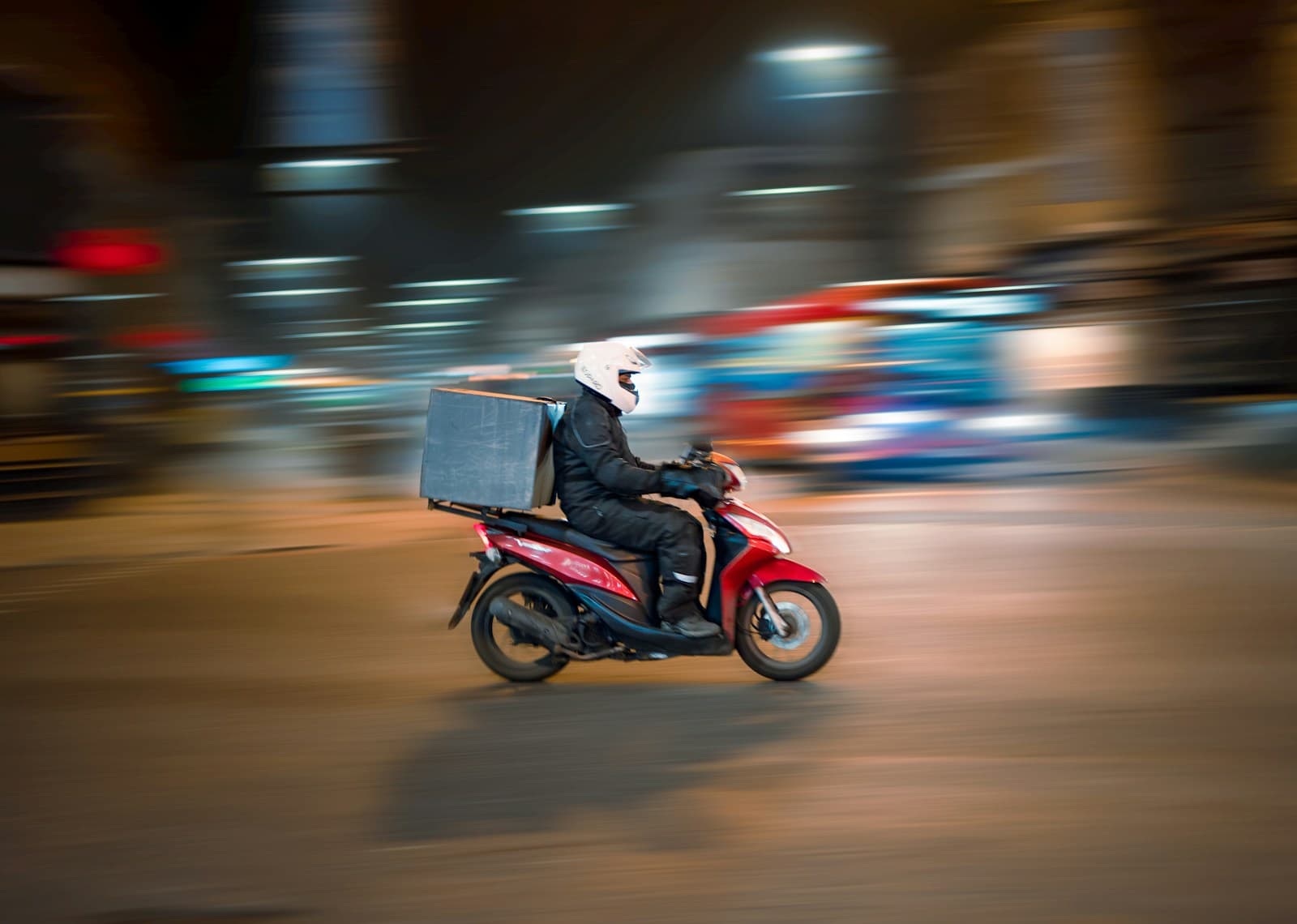
You received a Missouri LDP after reckless driving, but your rideshare company won't activate your account because you can't cover the entire service zone. Missouri's destination-specific restrictions make full-zone rideshare work incompatible with most LDP orders.
Why Missouri's Destination-Specific LDP Format Conflicts With Rideshare Platform Requirements
Missouri issues Limited Driving Privilege orders that list approved destinations by street address: your home, your employer's address, medical providers, childcare facilities, and any locations the court deems essential. The order does not grant blanket driving rights within certain hours or a defined geographic radius. If a trip destination isn't on your court order, driving there violates your LDP even during approved hours.
Rideshare platforms require drivers to accept ride requests throughout their entire service zone. Uber and Lyft cannot configure driver accounts to restrict pickups and drop-offs to a list of approved addresses. The platform assigns rides based on proximity and driver availability—declining trips damages your acceptance rate and can result in deactivation. Most drivers don't realize this incompatibility until they submit their LDP documentation to the rideshare company and receive a rejection notice.
The Missouri Department of Revenue tracks LDP compliance through employer verification forms and court monitoring. A rideshare platform cannot sign monthly employer verification because you are an independent contractor, not an employee with fixed work hours and routes. This creates a documentation gap that both legal resources and platform support systems ignore.
What Missouri Courts Approve for Work-Related LDP Destinations
Missouri judges grant LDP work driving privileges for employees with fixed worksites and documented schedules. Construction workers driving to job sites, nurses commuting to hospitals, warehouse employees with shift schedules—all fit the statutory framework under RSMo 302.309. The court order lists each employer address and the approved days and hours for travel to and from that location.
Rideshare driving does not fit this model. You cannot list every possible pickup and drop-off location in a 30-mile service zone as approved destinations. Missouri courts interpret LDP work provisions as covering transit to and from employment, not driving as the employment itself. Some drivers attempt to list the rideshare platform's local hub or greenlight office as their work destination, but this does not authorize passenger trips—it only covers travel to that single address for administrative purposes.
Missouri LDP orders issued after reckless driving convictions typically require SR-22 filing for two years, measured from the date the Director of Revenue receives proof of financial responsibility. The LDP itself runs for the duration of the underlying suspension period minus any hard suspension already served. Violating the destination restrictions terminates the LDP and often extends the full suspension.
Compare car insurance rates in your state
Get quotes from licensed carriers — no obligation, no spam, results in minutes.
Get Your Free Quote✓ No Obligation Required✓ Licensed Carriers Only✓ Available Nationwide✓ Free to Compare
How Rideshare Platforms Evaluate Driver Licenses During Onboarding and Annual Checks
Uber and Lyft run Motor Vehicle Record checks during onboarding and at least annually thereafter. The platforms flag restricted licenses, hardship permits, and any condition code indicating limited driving privileges. When your MVR shows an LDP, the platform requests documentation: a copy of your court order detailing approved hours, purposes, and destinations.
The compliance team evaluates whether your LDP allows unrestricted driving during the hours you intend to work. If your court order lists specific destinations only, the platform typically denies activation or deactivates an existing account. Some drivers report receiving approval by submitting incomplete documentation that omits the destination-restriction section of the order, but this creates liability exposure. If you are involved in a crash during an unauthorized trip, your SR-22 insurance carrier may deny the claim because the loss occurred outside your LDP scope. The rideshare platform's commercial liability policy also excludes coverage for drivers operating in violation of license restrictions.
Missouri law does not distinguish between personal and commercial use when enforcing LDP restrictions. Driving for rideshare work outside approved destinations counts as driving while suspended, a Class A misdemeanor under RSMo 302.321. A conviction carries up to one year in jail, a fine up to $2,000, and an additional one-year license revocation.
Whether Adding 'Rideshare Work Zone' Language to Your LDP Petition Changes Court Approval Outcomes
Some Missouri drivers file LDP petitions that request approval for "all destinations within the Kansas City metro area for employment as a rideshare driver" or similar zone-based language. Missouri statutes do not authorize geographic-zone LDP grants. The court must list specific addresses under RSMo 302.309(1). Judges who receive petitions with zone-based requests typically deny them or issue orders that revert to listing the driver's home address and the rideshare hub only.
A small number of drivers report success by listing high-frequency destinations—airports, entertainment districts, medical centers—as "regular work destinations" and arguing these constitute their de facto worksite. This approach depends entirely on the individual judge's interpretation and is not supported by published Missouri case law. Most circuit courts in St. Louis, Kansas City, Springfield, and Columbia reject these petitions because they recognize the practical effect is unrestricted driving under the guise of work necessity.
If your reckless driving conviction involved a passenger in the vehicle, some Missouri prosecutors oppose LDP petitions for rideshare work as a matter of policy. The argument is that transporting passengers for hire while under a restricted license creates public safety risk the LDP framework was not designed to accommodate. This opposition does not appear in written guidelines but surfaces during hardship hearings in Jackson, St. Louis, and Greene counties.
Alternative Work Options That Fit Missouri LDP Destination Restrictions
Delivery-only gig platforms impose fewer geographic constraints than rideshare services. DoorDash, Uber Eats, and Instacart allow drivers to select delivery zones and decline orders outside their approved area without the same acceptance-rate penalties that rideshare platforms enforce. You can configure your delivery radius to match the area bounded by your approved LDP destinations. Missouri courts are more likely to approve LDP petitions that list restaurant districts and grocery stores as work-related destinations when the application is framed around delivery driving rather than passenger transport.
Fixed-route employment—delivery routes for pharmacies, auto parts stores, courier services—fits Missouri's LDP framework better than on-demand rideshare. Employers with defined territories can provide documentation listing regular stops, and you can petition the court to add those addresses to your LDP order. The monthly employer verification form Missouri requires is easier to complete when your supervisor can confirm you drove only approved routes.
Some drivers pivot to remote work or jobs within walking distance during their LDP period. Missouri allows LDP holders to drive for medical appointments, court-ordered treatment, and essential errands even when work driving is not approved. If your reckless driving suspension runs 90 days with LDP eligibility after 30 days of hard suspension, the restricted period may be short enough that temporary job changes are more practical than attempting to navigate rideshare platform restrictions.
What Happens to Your SR-22 Requirement If Your Rideshare Account Is Deactivated Mid-Filing Period
Missouri requires SR-22 filing for two years following most reckless driving convictions that result in license suspension. The filing period does not pause if you stop driving or lose your rideshare income. Your insurance carrier must maintain continuous SR-22 certification with the Missouri Department of Revenue for the full period. If your policy lapses or cancels, the carrier notifies the state and your license is re-suspended immediately under RSMo 303.042.
Rideshare drivers typically carry higher liability limits than Missouri's minimum 25/50/25 requirement, but once your account is deactivated you can drop to a non-owner SR-22 policy if you no longer own a vehicle. Non-owner policies cost less because they provide liability-only coverage for vehicles you drive but do not own. Monthly premiums for non-owner SR-22 in Missouri after a reckless driving conviction typically run $45 to $75 with non-standard carriers like The General, Direct Auto, or Bristol West.
If you maintain a personal vehicle and transition to delivery-only gig work, you need a standard auto policy with SR-22 endorsement plus commercial or rideshare coverage if your platform requires it. Most major carriers exclude gig work from personal policies. Non-standard carriers that write post-suspension SR-22 business are more likely to offer commercial endorsements, but the combined monthly cost often exceeds $180 to $240.
How to Structure Your Next LDP Petition If Your First Request Was Denied
Missouri allows you to refile an LDP petition if your initial request is denied, but the second petition must address the deficiencies the court identified in the denial order. If the judge rejected your rideshare-work request because the destination list was too broad, a second petition with identical language will fail. You need to narrow the scope to specific, recurring addresses and provide employer documentation that demonstrates those destinations are essential.
Some Missouri drivers succeed on a second petition by splitting work and personal purposes. The first section lists a fixed employer address for part-time W-2 work with documented hours. The second section lists medical providers, childcare, and essential errands. This structure demonstrates compliance with the statutory framework while giving you enough approved destinations to sustain minimal gig income through delivery platforms.
Missouri charges a $20 LDP application fee and a $45 reinstatement fee when the LDP is granted. If your underlying suspension includes points-related revocation or an administrative alcohol action, additional fees apply. Budget $200 to $400 in total fees and documentation costs when refiling. Most drivers who succeed on a second petition after rideshare-specific denial have hired an attorney to draft the petition and argue the hardship hearing. Attorneys familiar with Missouri LDP practice in your circuit know which judges interpret work-driving provisions more flexibly.