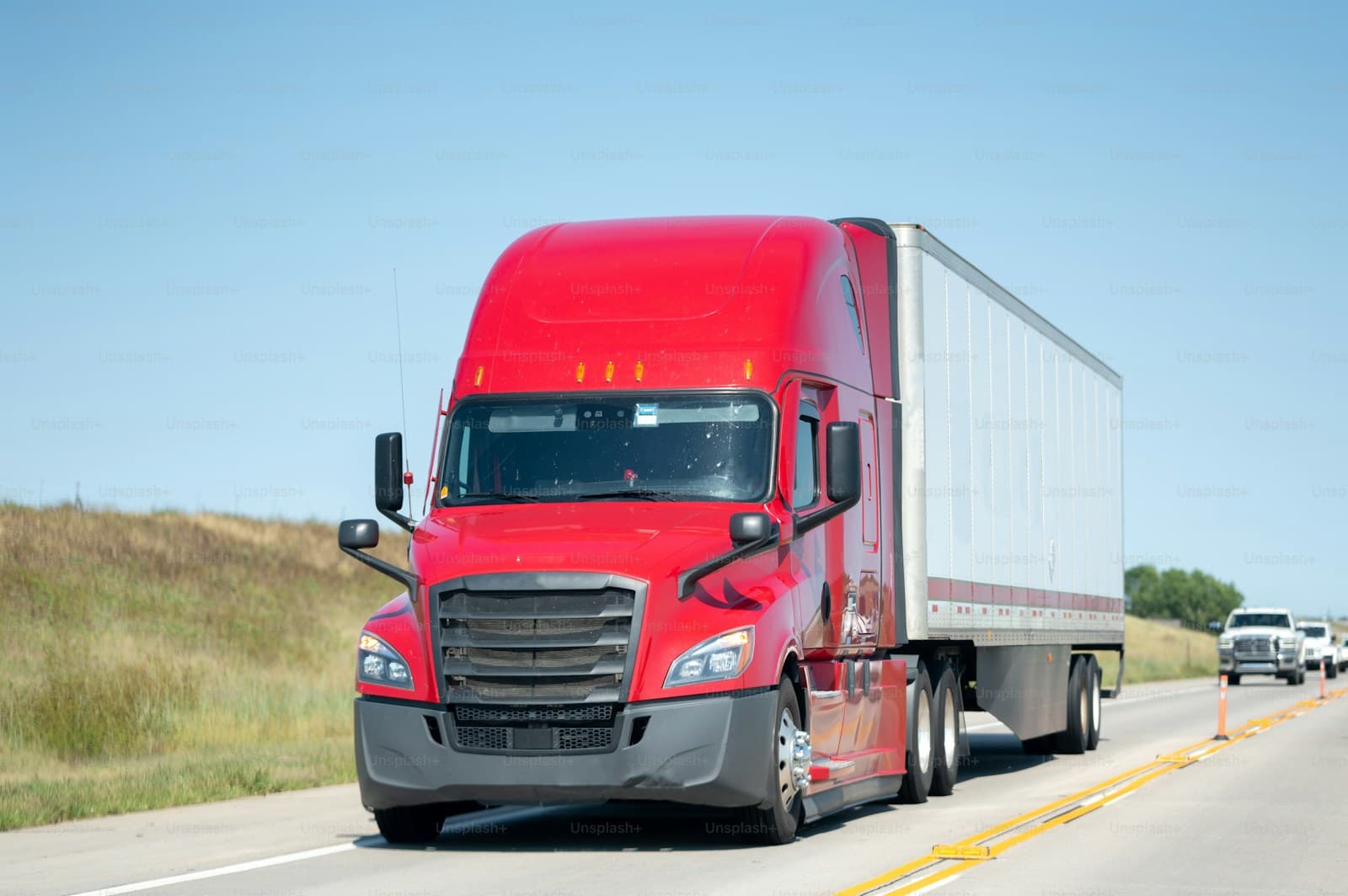
New Mexico's ignition interlock license allows commercial drivers to operate personal vehicles under restriction—but CDL restoration follows a separate administrative pathway most drivers miss until the interlock period ends.
How New Mexico Separates Personal Ignition Interlock Licenses from CDL Disqualification
New Mexico's ignition interlock license program allows you to drive a personal vehicle equipped with an IID during your DUI suspension—but this privilege does not restore your commercial driving privilege. Your CDL enters federal disqualification the moment your DUI conviction posts, regardless of whether you qualify for an ignition interlock license for personal use. Most commercial drivers assume completing the 12-month IID requirement clears their CDL for immediate return to work. It does not.
The state Motor Vehicle Division processes ignition interlock applications through administrative review, typically approving within 10-15 business days after you submit proof of IID installation, SR-22 filing, and the $100 restricted license fee. Your CDL disqualification runs on a separate federal timeline: one year for a first DUI, permanent for a second. The IID restriction on your personal license ends after 12 months of clean monitoring reports, but your CDL remains disqualified until you complete the federal reinstatement process through MVD's commercial licensing unit.
Commercial drivers who hold only an ignition interlock license cannot legally drive commercial vehicles—even those equipped with an IID. Federal Motor Carrier Safety Regulations prohibit operating a CMV during CDL disqualification regardless of state-level restricted driving privileges. Violation triggers permanent CDL revocation and federal employer liability. New Mexico does not offer a commercial hardship or restricted CDL; you drive personally under IID restrictions or you do not drive commercially at all until full reinstatement.
What Routes and Destinations the Ignition Interlock License Actually Covers
New Mexico's ignition interlock license does not restrict you to specific routes or destination addresses. Unlike occupational licenses in Illinois or Texas, which require court-approved location lists, New Mexico's program permits unrestricted personal driving during any hours for any purpose as long as the vehicle is equipped with a functioning IID and you comply with monitoring requirements. You can drive to work, medical appointments, childcare, errands, social activities, or anywhere else—no advance approval needed.
The freedom comes with two hard conditions: the IID must be installed by a state-approved provider (Intoxalock, LifeSafer, Smart Start, or Guardian Interlock), and you must complete all required monitoring appointments every 30-60 days. Missing a single monitoring appointment without rescheduling within 5 days triggers automatic license suspension. The IID provider reports non-compliance directly to MVD; you will not receive advance warning before the suspension posts.
Violation consequences are immediate. Operating a non-IID vehicle during your restriction period—even once, even for an emergency—extends your original suspension by the full remaining term and adds criminal charges for driving while license revoked. Most drivers do not realize borrowing a spouse's car for a 10-minute trip counts as unlicensed driving. The ignition interlock restriction is not a suggestion; it is the legal condition of your driving privilege.
Compare car insurance rates in your state
Get quotes from licensed carriers — no obligation, no spam, results in minutes.
Get Your Free Quote✓ No Obligation Required✓ Licensed Carriers Only✓ Available Nationwide✓ Free to Compare
The CDL Reinstatement Process New Mexico Drivers Miss Until It's Too Late
Your CDL disqualification does not automatically lift when your ignition interlock period ends. Federal law requires you to reapply for CDL privileges through MVD's commercial driver licensing unit, submit to a new knowledge test, pass a skills test in the vehicle class you intend to operate, and pay the $93 CDL reinstatement fee. New Mexico does not waive testing requirements for returning commercial drivers—you start the CDL application process from the beginning.
The earliest you can apply for CDL reinstatement is the day after your disqualification period ends: 365 days from your DUI conviction date for a first offense. Most commercial drivers do not realize the skills test requires scheduling 3-6 weeks in advance through an approved third-party examiner, and rental CMVs for testing cost $400-$600 if your former employer will not provide a vehicle. Budget 60-90 days from disqualification end to CDL-in-hand if you schedule aggressively.
You must maintain SR-22 filing throughout the CDL reinstatement process and for two additional years after reinstatement. Dropping SR-22 coverage before the state-mandated filing period ends triggers immediate CDL re-suspension. Most commercial drivers assume SR-22 ends when the IID comes off; New Mexico requires continuous filing for three years from your original conviction date regardless of license type.
Why Most Commercial Drivers Cannot Afford to Wait for Full CDL Reinstatement
The median commercial driver in New Mexico earns $48,000-$62,000 annually. Losing CDL privileges for 12-18 months eliminates that income entirely unless you transition to non-driving work at significantly lower wages. Most carriers terminate employment within 30 days of CDL disqualification; federal regulations prohibit retaining disqualified drivers on payroll even in non-driving roles if the company holds a DOT operating authority.
The ignition interlock license solves the immediate mobility crisis—you can drive to a new job, attend required classes, and maintain household responsibilities—but it does not solve the income crisis. Non-CDL jobs accessible during your disqualification period typically pay $28,000-$38,000 annually, creating a $20,000-$30,000 income gap most families cannot absorb for a full year. This is why many commercial drivers attempt to expedite reinstatement through attorney petitions or contact MVD repeatedly asking for hardship exceptions that do not exist under federal law.
New Mexico offers no commercial hardship license, no provisional CDL, and no waiver process for shortened disqualification periods. The one-year timeline is federal, not state, and no state official has authority to modify it. Drivers who cannot financially survive the gap often leave commercial driving permanently or relocate to states with higher non-CDL wage floors.
How SR-22 Filing Works When You Hold an Ignition Interlock License But No CDL
New Mexico requires SR-22 filing for the entire three-year period following your DUI conviction. Your carrier files the SR-22 certificate electronically with MVD within 24 hours of policy inception; you do not file it yourself. The SR-22 proves you carry liability coverage at state minimum limits: $25,000 per person, $50,000 per accident, $10,000 property damage. These minimums apply whether you drive personally under IID restrictions or hold a CDL.
SR-22 premiums for commercial drivers average $140-$220 per month during the ignition interlock period, depending on your county, age, and whether you own a vehicle. Non-owner SR-22 policies cost $85-$130 per month if you do not own a car and drive only borrowed or employer vehicles. Most commercial drivers assume non-owner policies do not satisfy CDL reinstatement requirements; they do, as long as the SR-22 filing remains active and continuous.
Dropping coverage, missing a payment, or allowing your policy to lapse triggers an SR-22 cancellation notice from your carrier to MVD. The state suspends your ignition interlock license within 10 days of receiving the cancellation, and reinstatement requires a new SR-22 filing, a $75 reinstatement fee, and restart of your three-year filing clock. Most drivers do not realize the filing period resets entirely—you do not pick up where you left off.
What the Ignition Interlock License Costs You Over 12 Months
New Mexico's ignition interlock license fee is $100, paid at application. IID installation ranges from $75-$150 depending on provider and device model. Monthly IID lease and monitoring costs run $70-$100, and you pay this for the full 12-month restriction period. Calibration appointments every 30-60 days carry no separate fee if you stay on schedule, but missed appointments incur $50-$75 rescheduling charges.
SR-22 insurance premiums add $1,680-$2,640 annually for standard policies, or $1,020-$1,560 for non-owner policies. Total first-year cost for the ignition interlock license, IID equipment, and SR-22 filing ranges from $2,700-$4,100. This does not include the $93 CDL reinstatement fee, $400-$600 skills test vehicle rental, or lost income during disqualification.
Most commercial drivers budget only for the ignition interlock license fee and miss the compounding monthly costs until the first monitoring appointment. The IID provider will not remove the device until you pay all outstanding lease and monitoring fees in full, even if your 12-month restriction period has ended. Unpaid IID fees do not prevent CDL reinstatement, but they do prevent device removal—and driving without the required IID is a criminal offense.
Where to Find Coverage That Meets New Mexico's SR-22 Requirement
New Mexico commercial drivers need SR-22 filing from a carrier licensed to write policies in the state and submit electronic certificates to MVD. Standard carriers (State Farm, Allstate, Farmers) rarely write new policies for drivers with active DUI convictions; most issue non-renewals within 30 days of the conviction posting. Non-standard carriers specializing in high-risk and SR-22 filings include Bristol West, Dairyland, GAINSCO, The General, Direct Auto, and Acceptance Insurance.
Non-owner SR-22 policies make sense if you do not own a vehicle, drive only during work hours in employer-provided trucks, or cannot afford a standard auto policy during your disqualification period. Non-owner SR-22 insurance satisfies New Mexico's filing requirement and costs 30-40% less than standard policies, but it provides no physical damage coverage for vehicles you drive. If you own a car and drive it under your ignition interlock license, you need a standard policy with SR-22 endorsement.
Compare quotes from at least three non-standard carriers before buying. SR-22 premiums vary widely by carrier—some quote $180/month, others quote $95/month for identical coverage and driving history. New Mexico does not regulate SR-22 premium pricing; carriers set rates based on proprietary risk models. Most commercial drivers accept the first quote they receive and overpay by $50-$80 monthly as a result.