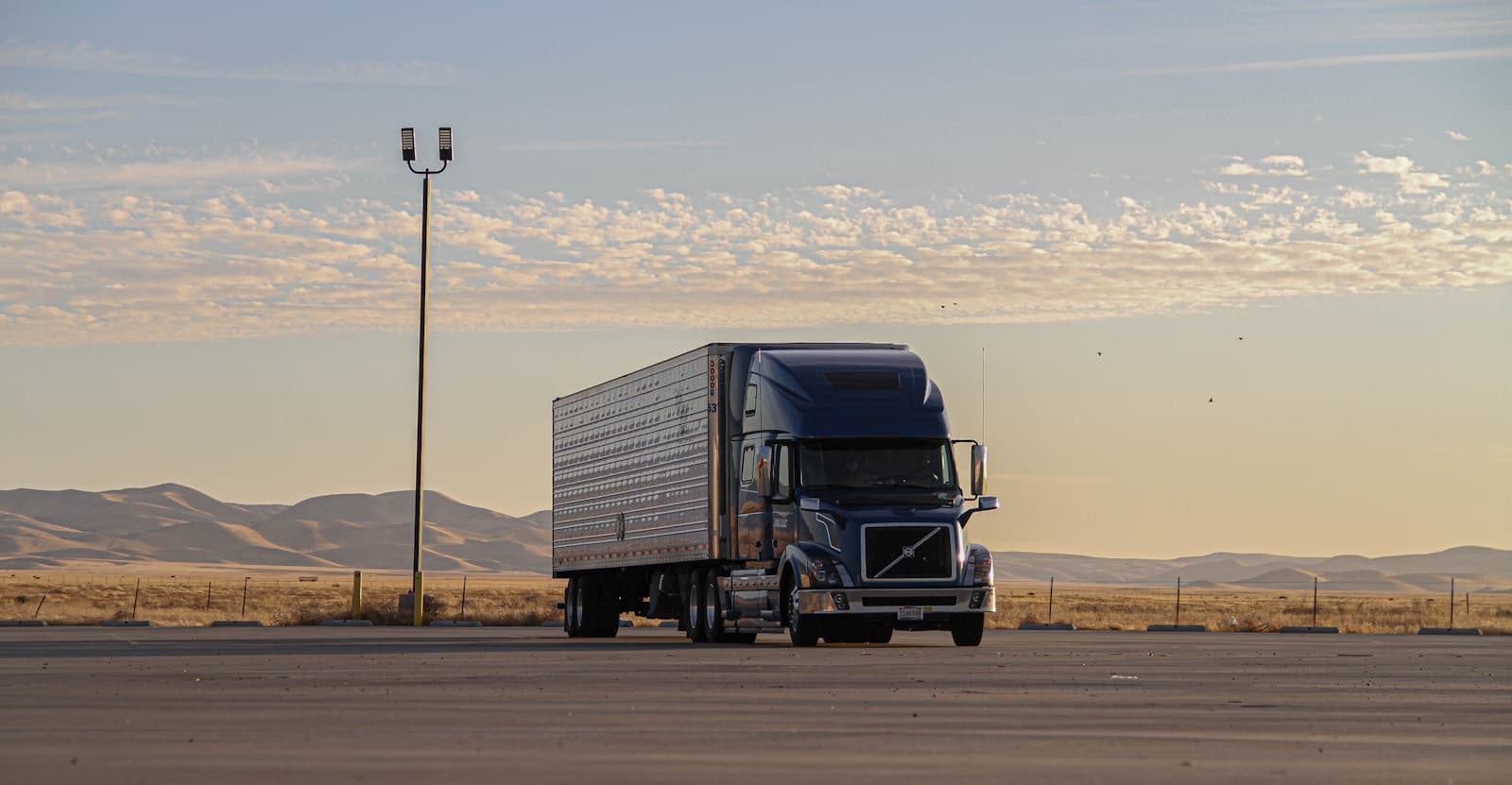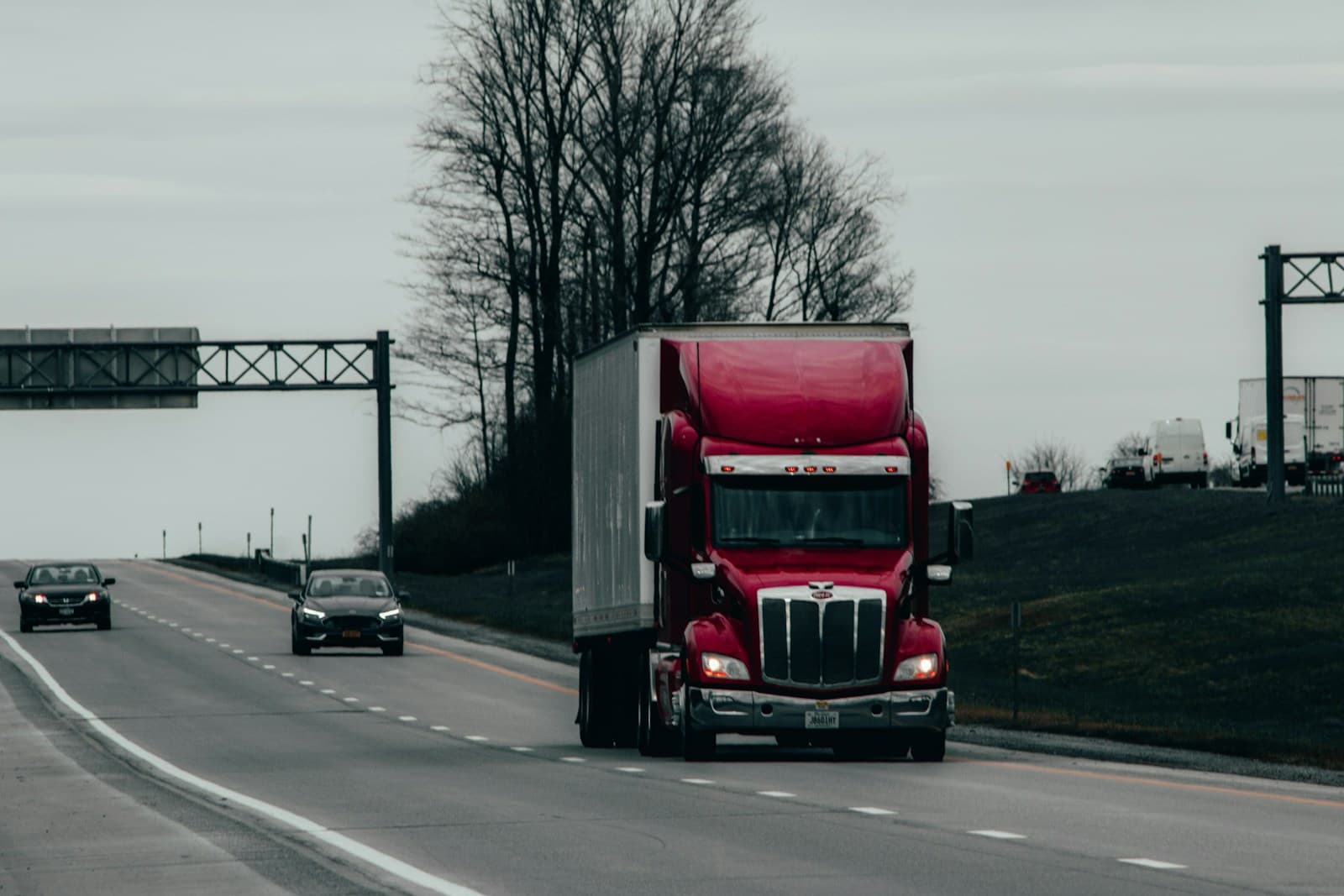
CDL holders face a complete driving ban during Oregon DUI suspensions—hardship permits don't extend to commercial vehicles, and most drivers don't realize their CDL is separately revoked by FMCSA regardless of state-level hardship approval.
Why Oregon Hardship Permits Don't Restore CDL Privileges
Oregon DMV issues hardship permits for personal driving only. The permit explicitly prohibits operating commercial motor vehicles, even during approved work hours with a valid hardship permit. Your CDL remains suspended for the full suspension period regardless of hardship permit approval.
Federal Motor Carrier Safety Administration rules impose a separate one-year commercial driving disqualification for any DUI conviction, regardless of the vehicle type you were driving when arrested. This disqualification runs concurrently with your Oregon state suspension but cannot be shortened by state hardship programs. Oregon DMV has no authority to override FMCSA rules.
Most CDL holders discover this restriction only after hardship permit approval, when their employer's HR department rejects the permit documentation. The hardship permit allows driving to work in a personal vehicle. It does not allow driving commercial vehicles as part of work. Drivers who assumed hardship permits would restore their CDL face immediate job loss and often cannot find alternative CDL employment until both the state suspension and federal disqualification periods end.
What Oregon's Hardship Permit Actually Covers for CDL Holders
Oregon hardship permits authorize personal vehicle operation for specific approved purposes: commuting to work, medical appointments, court-ordered programs, and childcare responsibilities. The permit requires you to list specific addresses and approved travel times in your application.
You can drive to your CDL employer's location during approved hours. You cannot drive commercial vehicles once you arrive. Employers often misunderstand this distinction, assuming hardship permits restore all driving privileges. The permit documentation states the restriction plainly, but many HR departments process it as general license reinstatement.
Hardship permit applications cost $75 in Oregon, with separate $75 reinstatement fees due before full license restoration. Processing takes 10-15 business days if all documentation is complete. SR-22 insurance filing is required before DMV issues the hardship permit, and most CDL holders pay $140-$210 monthly for SR-22 coverage through non-standard carriers.
Compare car insurance rates in your state
Get quotes from licensed carriers — no obligation, no spam, results in minutes.
Get Your Free Quote✓ No Obligation Required✓ Licensed Carriers Only✓ Available Nationwide✓ Free to Compare
FMCSA Disqualification Timeline vs Oregon State Suspension
Oregon DUI suspensions last 90 days for first offenses, one year for second offenses within five years, and three years for third offenses. FMCSA commercial driving disqualification runs one year for first DUI offenses and lifetime disqualification for second offenses, regardless of Oregon state suspension length.
The timelines run concurrently but independently. If you receive a 90-day Oregon suspension and a one-year federal disqualification, your hardship permit allows personal driving after Oregon's approval process completes. Your CDL remains suspended for the full year under FMCSA rules. No state program shortens federal disqualification periods.
Lifetime FMCSA disqualifications can be reduced to 10 years if you complete specific rehabilitation programs, but Oregon DMV plays no role in that process. You petition FMCSA directly, and approval rates are low. Most second-offense CDL holders never drive commercially again.
Employment Documentation Oregon Requires for CDL Holder Hardship Permits
Oregon hardship permit applications require employer verification even when you cannot legally operate commercial vehicles. The verification form must state your job location, work schedule, and confirm you need personal driving privileges to commute.
Many CDL employers refuse to complete verification forms once they learn you cannot drive commercially. They view the hardship permit as irrelevant to your employment status and decline to participate in the administrative process. Drivers who lose CDL employment before applying for hardship permits face a separate challenge: Oregon requires employment verification from a current job, not a former employer or a prospective one.
Some CDL holders secure non-driving roles at their employer (dispatcher, mechanic, warehouse) to maintain verification eligibility. Others find non-CDL employment and apply for hardship permits to commute to those jobs. Both paths require employer cooperation and often result in substantial pay reductions compared to CDL wages.
SR-22 Filing Requirements for Oregon CDL Holders
Oregon requires SR-22 filing for all DUI suspensions, including CDL holders. The SR-22 certificate proves you carry liability insurance meeting Oregon's minimum requirements: $25,000 bodily injury per person, $50,000 per accident, and $20,000 property damage. Filing must remain active for three years from your conviction date.
CDL holders pay higher SR-22 premiums than non-commercial drivers because carriers classify CDL licenses as higher risk regardless of whether you operate commercial vehicles. Monthly premiums typically range $140-$210 through non-standard carriers like The General, Dairyland, or Bristol West. Standard carriers like State Farm or Progressive rarely write SR-22 policies for DUI-suspended CDL holders.
SR-22 filing lapses trigger automatic hardship permit revocation and extend your underlying suspension. Oregon DMV receives electronic notification within 24 hours if your carrier cancels coverage. Drivers who switch carriers must ensure the new carrier files SR-22 before the old policy cancels, or face immediate license suspension.
Reinstatement Path After Federal Disqualification Ends
Oregon requires CDL holders to pass knowledge and skills tests again after DUI disqualifications longer than one year. You cannot simply pay reinstatement fees and resume commercial driving. The full testing process costs $136 for permits and endorsements, plus $75 DMV reinstatement fees.
Most CDL holders also face employer rehiring barriers even after legal eligibility returns. Trucking companies, bus operators, and delivery services conduct background checks showing DUI convictions. Many employers enforce lifetime hiring bans for DUI offenses regardless of how much time has passed since conviction.
Oregon law prohibits CDL holders from entering Pre-Trial Diversion programs for DUI charges. You cannot avoid conviction through diversion even as a first offender. This restriction exists because federal FMCSA rules count diversion participation as a conviction for commercial driving purposes. The conviction becomes permanent on your driving record and remains visible to all future employers.
Non-Owner SR-22 Insurance for CDL Holders Without Vehicles
CDL holders who lose vehicle access during suspension can meet Oregon's SR-22 requirement through non-owner policies. Non-owner SR-22 provides liability coverage when you drive vehicles you don't own, satisfying state filing requirements without insuring a specific vehicle.
Non-owner policies cost $45-$85 monthly for most suspended drivers, substantially less than standard vehicle policies with SR-22 endorsements. Coverage applies only to personal vehicles, never commercial vehicles. The policy allows you to drive borrowed or rented personal vehicles during your hardship permit's approved hours and routes.
Some CDL holders maintain non-owner SR-22 throughout their suspension period, then switch to vehicle-specific coverage once they secure non-CDL employment requiring regular personal vehicle use. The filing remains continuous as long as you coordinate the policy transition date carefully. Any gap in SR-22 coverage restarts Oregon's three-year filing requirement from the lapse date.