California DMV revokes your restricted license immediately if you miss DUI program sessions without prior approval. Most drivers lose driving privileges within 60 days because they treat the program like optional coursework instead of a license condition.
Why California DMV Monitors Your DUI Program Enrollment in Real Time
California DMV receives electronic enrollment updates from every state-approved DUI program within 24 hours of any status change — enrollment, completion, missed sessions, or withdrawal. Your restricted license is valid only while you remain in good standing with the program. The moment your program reports you as unenrolled or non-compliant, DMV flags your license for suspension, often before you receive written notice.
This real-time reporting system exists because California restricted licenses are explicitly conditional on DUI program participation under Vehicle Code Section 13352. The license is not a standalone privilege you earn once and keep. It is a temporary driving allowance granted only while you demonstrate ongoing compliance with court-ordered education and treatment requirements.
Most drivers discover this too late. They miss a session due to work conflict, family emergency, or scheduling confusion, assume they can make it up later, and receive a DMV suspension notice 10 days after the missed class. By that point, the restricted license is already invalid. You are driving without a valid license, which converts every trip to work into a misdemeanor exposure.
What Counts as Good Standing Under California DUI Program Rules
Good standing means attending every scheduled session on time, paying monthly program fees by the due date, and completing any assigned homework or assessments before the next class. California DUI programs operate on strict attendance policies set by the Office of Traffic Safety — typically zero tolerance for unexcused absences during the first 30 days, and no more than one unexcused absence per 90-day period after that.
An excused absence requires prior approval from the program director, submitted in writing before the missed session. Medical emergencies, court appearances, and documented work conflicts qualify in most programs, but approval is not automatic. If you call the day of the session or show up late without prior notice, the absence is marked unexcused, and the program reports you as non-compliant to DMV within 24 hours.
Fee delinquency triggers the same reporting. California DUI programs charge $50–$75 per month for 3-month, 6-month, 9-month, or 18-month programs depending on your BAC level and prior offense count. If you miss a payment deadline, the program suspends your enrollment and notifies DMV. You cannot attend classes while suspended from the program, which means you cannot maintain your restricted license.
Compare car insurance rates in your state
Get quotes from licensed carriers — no obligation, no spam, results in minutes.
Get Your Free Quote✓ No Obligation Required✓ Licensed Carriers Only✓ Available Nationwide✓ Free to Compare
How to Protect Your Restricted License After a Scheduling Conflict
Contact your DUI program director immediately when you know you will miss a session — ideally 48 hours in advance, minimum 24 hours. Explain the conflict in writing via email or the program's online portal, attach documentation if available (employer letter, court notice, medical appointment confirmation), and request formal approval for an excused absence. Do not assume verbal approval during class is sufficient.
If the program approves the absence, ask whether you need to attend a makeup session at another program location or during an alternative time slot. Some California DUI programs operate multiple weekly sessions across different days and times to accommodate work schedules. Attending a makeup session within the same week often satisfies the attendance requirement without triggering a DMV report.
If you miss a session without prior approval, you have approximately 72 hours to re-enroll before DMV processes the non-compliance report and suspends your restricted license. Contact the program director immediately, explain the situation, pay any reinstatement fees (typically $50–$150), and confirm your next scheduled session. The program may require you to restart the attendance clock or extend your total program duration, but immediate re-enrollment usually prevents DMV suspension.
What Happens If DMV Suspends Your Restricted License Mid-Program
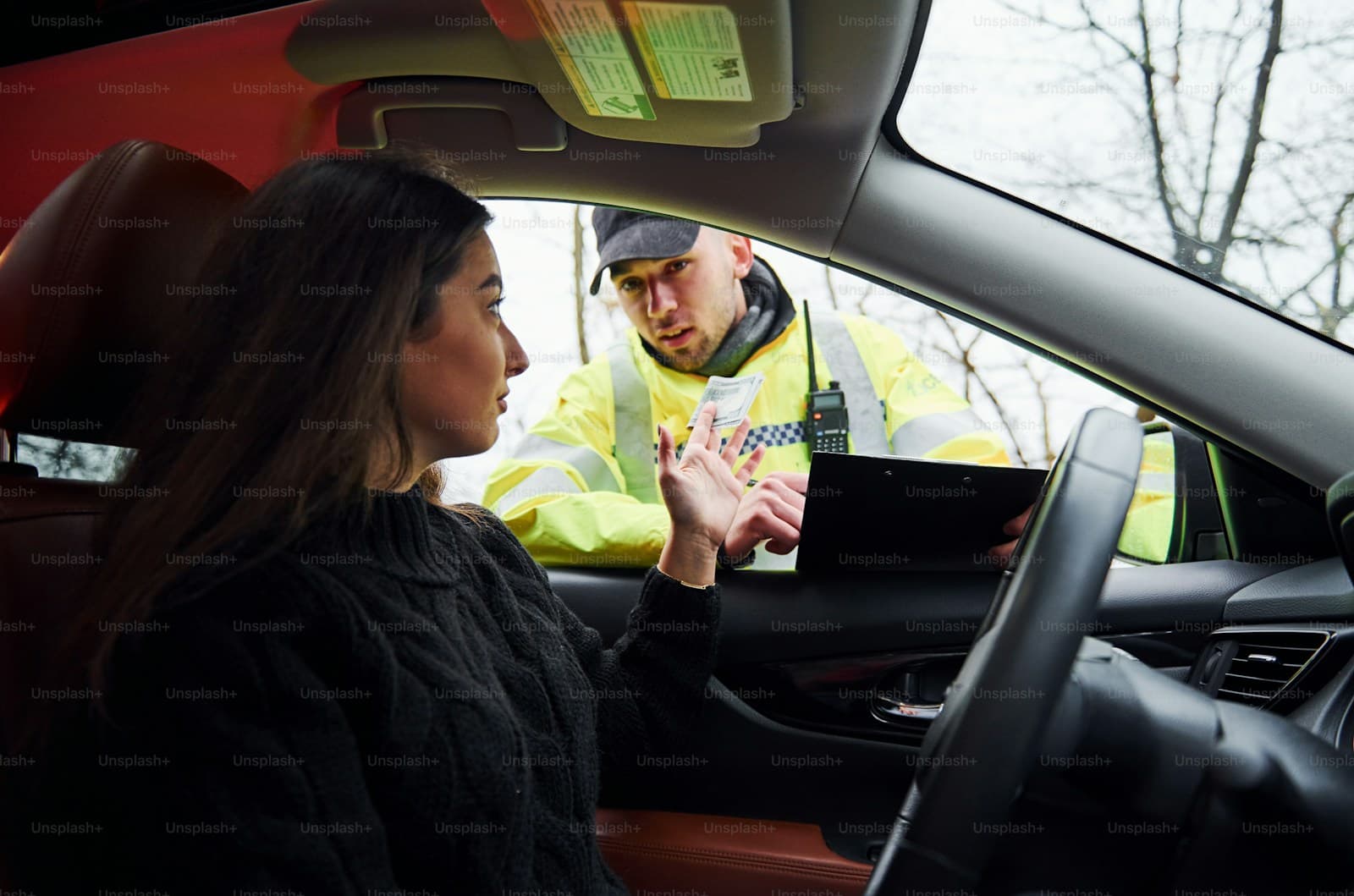
DMV mails a suspension notice to your address on record, effective 10 days from the notice date. The notice states you are no longer authorized to drive under the restricted license and must surrender the license to DMV or return it by mail. Continuing to drive after the effective date is a Vehicle Code Section 14601.2 violation — driving on a suspended license, a misdemeanor carrying up to 6 months in jail and $1,000 in fines.
To reinstate the restricted license, you must re-enroll in the DUI program, obtain a letter of current enrollment from the program director, pay a $125 DMV reissue fee, and submit Form DL 101 (Driver License or Identification Card Application) at a DMV field office. The reinstatement process takes 7–14 days, during which you cannot drive legally. If you were pulled over or involved in an accident while driving on the suspended license, DMV may deny reinstatement and require you to complete the full suspension period without any restricted driving privilege.
SR-22 insurance must remain active throughout this process. If your SR-22 lapses while your restricted license is suspended, DMV extends the suspension period and resets your filing requirement to zero. You will need to file a new SR-22, pay reinstatement fees a second time, and restart the restricted license application process from the beginning.
How SR-22 Filing Interacts With DUI Program Compliance Requirements
California requires SR-22 insurance filing for the entire duration of your DUI suspension and restricted license period — typically 1 year for a first-offense DUI, 2 years for a second offense, 3 years for a third offense. The SR-22 must remain active and on file with DMV continuously, with no lapses or cancellations, from the date you apply for the restricted license until the date your full driving privilege is reinstated.
Your insurance carrier reports SR-22 status changes to DMV electronically, just like your DUI program reports enrollment changes. If your carrier cancels your policy for non-payment or you voluntarily drop coverage, DMV receives a cancellation notice within 24 hours and immediately suspends your restricted license. You cannot reinstate the license until you file a new SR-22, pay a $125 reissue fee, and prove continuous enrollment in the DUI program.
SR-22 premiums for drivers with restricted licenses typically run $150–$300 per month, depending on your age, county, vehicle, and violation history. Carriers who specialize in high-risk SR-22 filing — Bristol West, Dairyland, GAINSCO, The General, Acceptance, Kemper — often offer monthly payment plans to avoid the lump-sum cost of a 6-month or 12-month policy. Missing a single monthly payment triggers immediate cancellation and SR-22 lapse, which suspends your restricted license and resets your filing clock.
Cost and Timeline for Maintaining a Restricted License Through Program Completion
Expect to budget $2,500–$4,500 total for the entire restricted license period, including DUI program fees ($500–$1,800 depending on program length), SR-22 insurance premiums ($1,800–$3,600 annually), DMV restricted license application fee ($125), ignition interlock device installation and monthly monitoring if required ($150–$200 setup, $75–$100 per month), and potential reinstatement fees if you experience any compliance issues.
Timeline varies by DUI program length. First-offense DUI with BAC under 0.15% typically requires a 3-month program. First offense with BAC 0.15% or higher requires a 6-month or 9-month program. Second-offense DUI requires an 18-month program. You cannot apply for full license reinstatement until you complete the program and DMV receives a certificate of completion from the program director.
Most drivers underestimate the rigidity of the schedule. A 3-month program means 12 weekly sessions over 90 days. A 9-month program means 36 weekly sessions over 270 days. Missing even one session without prior approval extends the program duration by weeks or months, which extends your SR-22 requirement and delays full license reinstatement. Plan your work schedule, childcare, and transportation around the program sessions, not the other way around.