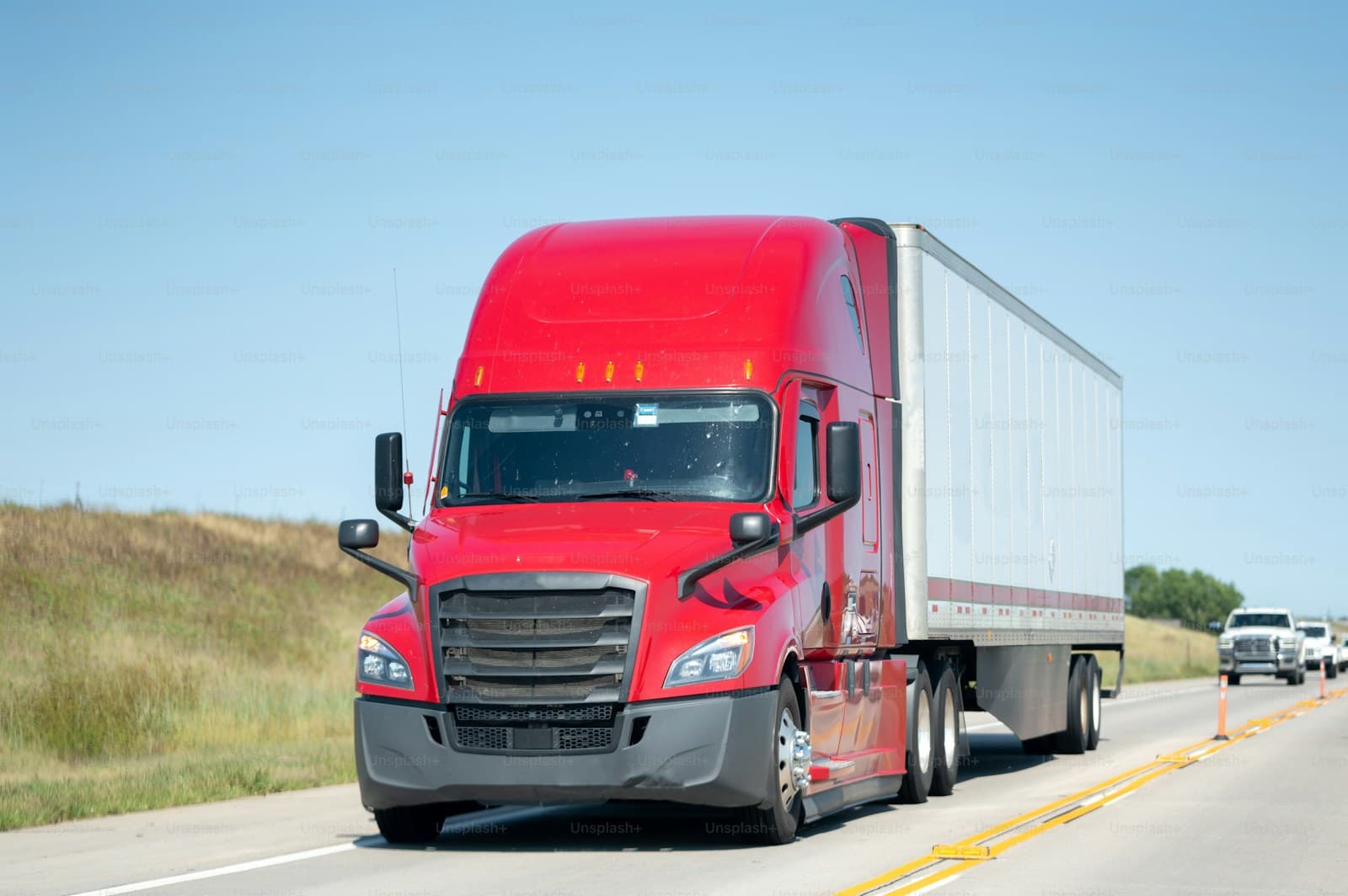
Colorado law blocks CDL holders from operating commercial vehicles on any restricted license — even if your employer is willing to keep you. You'll need a different path to maintain income during suspension.
Colorado Restricted Licenses Do Not Authorize Commercial Vehicle Operation
Colorado grants restricted driving privileges for work, medical, and educational travel after certain license suspensions — but state law explicitly excludes commercial vehicle operation from any restricted license. If you hold a CDL and lose your driving privilege due to DUI, multiple violations, or alcohol-related revocation, you cannot operate a commercial vehicle under a restricted license, even if your job depends on it.
This restriction appears in Colorado Revised Statutes § 42-2-132.5, which defines permissible uses for restricted licenses. The statute authorizes travel to and from work, but Colorado regulation bars CDL holders from exercising commercial driving privileges under any hardship or probationary license. Your employer cannot petition for an exception. The DMV will not grant commercial driving hours.
The consequence is immediate: professional drivers who lose their full license lose their CDL income. If you drive a semi, school bus, tanker, or any vehicle requiring a CDL, the restricted license path does not apply to your occupation. You need a different strategy before your suspension hearing.
Your Two Realistic Paths to Maintain Income After CDL Suspension
You have two options if you're a CDL holder facing suspension in Colorado. First: request a restricted license for non-commercial work only. Colorado allows restricted licenses for employment that does not require a CDL — delivery driver using a personal vehicle, warehouse work requiring commute access, office roles, construction labor. You'll need proof of employment from a non-CDL job and an SR-22 filing from a non-standard carrier. The restricted license covers approved work hours and routes, but you cannot touch a commercial vehicle.
Second option: downgrade your CDL voluntarily before the suspension takes effect, then apply for a restricted personal license. Some drivers choose this path to preserve eligibility for a personal restricted license without the CDL complication on their record. The downgrade does not erase the suspension, but it simplifies the DMV's evaluation of your restricted license application. You'll still need SR-22, proof of non-CDL employment, and compliance with any alcohol education or ignition interlock device requirements tied to your suspension.
Neither path lets you keep driving commercially during suspension. If you're a full-time CDL driver with no fallback income, start identifying non-CDL work before your hearing date. Colorado's restricted license waiting period is typically 30 days after suspension begins for most alcohol-related cases, and the application fee runs $95 plus reinstatement fees that often exceed $500.
Compare car insurance rates in your state
Get quotes from licensed carriers — no obligation, no spam, results in minutes.
Get Your Free Quote✓ No Obligation Required✓ Licensed Carriers Only✓ Available Nationwide✓ Free to Compare
SR-22 Filing Requirements Apply Even on a Restricted Personal License
Colorado requires SR-22 filing for most alcohol-related suspensions, including DUI, DWAI, and revocations based on BAC refusal. The SR-22 proves continuous liability coverage and must remain active for the entire filing period — typically 3 years from your conviction or revocation date. If you're applying for a restricted license after CDL suspension, the SR-22 requirement does not disappear just because you're no longer driving commercially.
You'll need a non-standard carrier willing to write SR-22 policies for high-risk drivers. Carriers active in Colorado's SR-22 market include Dairyland, Progressive, GAINSCO, Bristol West, The General, and National General. Monthly premiums for SR-22 policies after DUI suspension typically range from $120 to $250 per month, depending on your violation, age, and county. The SR-22 filing fee itself is usually $25 to $50, paid once at filing.
If your SR-22 lapses for any reason — missed payment, policy cancellation, non-renewal — the DMV receives automatic notice and your restricted license is revoked immediately. The suspension clock resets to zero in most cases. You'll need to refile SR-22, pay reinstatement fees again, and reapply for restricted privileges. Continuous coverage is not optional.
CDL Disqualification Periods Run Separately from Personal License Suspension
Colorado imposes separate CDL disqualification periods for violations committed in a commercial vehicle or violations that trigger mandatory CDL sanctions under federal law. A DUI in your personal car suspends your regular driver's license and disqualifies your CDL for one year minimum. A DUI in a commercial vehicle triggers a one-year CDL disqualification for a first offense, permanent disqualification for a second offense, and does not allow restricted commercial privileges during disqualification.
The disqualification period runs independently. Even if you successfully obtain a restricted personal license 30 days into your suspension, your CDL disqualification continues for the full term. You cannot shorten CDL disqualification by completing alcohol education, installing an ignition interlock device, or filing SR-22. Federal Motor Carrier Safety Administration rules govern CDL disqualification, and Colorado cannot override them with state-level hardship provisions.
Some CDL holders assume that regaining a restricted personal license means they can return to commercial work once the disqualification ends. That's only true if you maintain your CDL through the disqualification period and meet reinstatement requirements. If you let your CDL lapse or downgrade during suspension, you'll need to retest and reapply for the CDL after disqualification ends — written exams, skills tests, and medical certification all restart from zero.
What Colorado DMV Requires to Approve a Restricted Personal License
Colorado's restricted license application requires proof of employment, proof of SR-22 insurance, completion of a Level II alcohol education program if your suspension was DUI-related, payment of reinstatement fees, and in most cases installation of an ignition interlock device. The IID requirement applies to nearly all alcohol-related suspensions in Colorado, including first-offense DUI and DWAI convictions. Monthly IID costs run $70 to $120 for device lease, calibration, and monitoring.
You'll submit your restricted license petition to the Colorado DMV hearing office in your county. The hearing is not automatic — you must request it within the appeal window following your suspension notice, typically 7 days for administrative per se suspensions. If you miss that window, you'll wait until the statutory eligibility period passes, usually 30 days into your suspension for first DUI offenses.
Approval is not guaranteed. The hearing officer evaluates whether restricted driving serves a legitimate hardship and whether you've complied with all sentencing and administrative requirements. If your suspension stems from multiple violations, refusal to test, or a second DUI, restricted privileges may be denied entirely. Colorado law does not mandate hardship license approval — it permits DMV discretion.
How CDL Drivers Should Prepare Before the Suspension Hearing
If you're a CDL holder facing suspension, start before the hearing date. First: contact non-CDL employers and secure a written job offer or employment verification letter that specifies your role does not require a CDL. The DMV will not grant restricted privileges based on hypothetical future employment. You need documentation proving the job exists and proving you've been hired or retained in a non-commercial capacity.
Second: contact SR-22 carriers immediately. Do not wait until the suspension starts. Get quotes, select a carrier, and have the SR-22 ready to file the day your suspension begins. Delays in SR-22 filing extend your suspension and delay restricted license eligibility. Carriers can file SR-22 electronically, and Colorado DMV typically processes filings within 24 to 48 hours.
Third: enroll in the required Level II alcohol education program if your suspension is DUI-related. Colorado will not consider your restricted license petition until you provide proof of enrollment or completion, depending on the stage of your case. Programs run 12 to 24 hours of instruction and cost $150 to $300. Some hearing officers require completion before approving restricted privileges; others accept proof of enrollment. Confirm the requirement with your DMV hearing office before the hearing date.