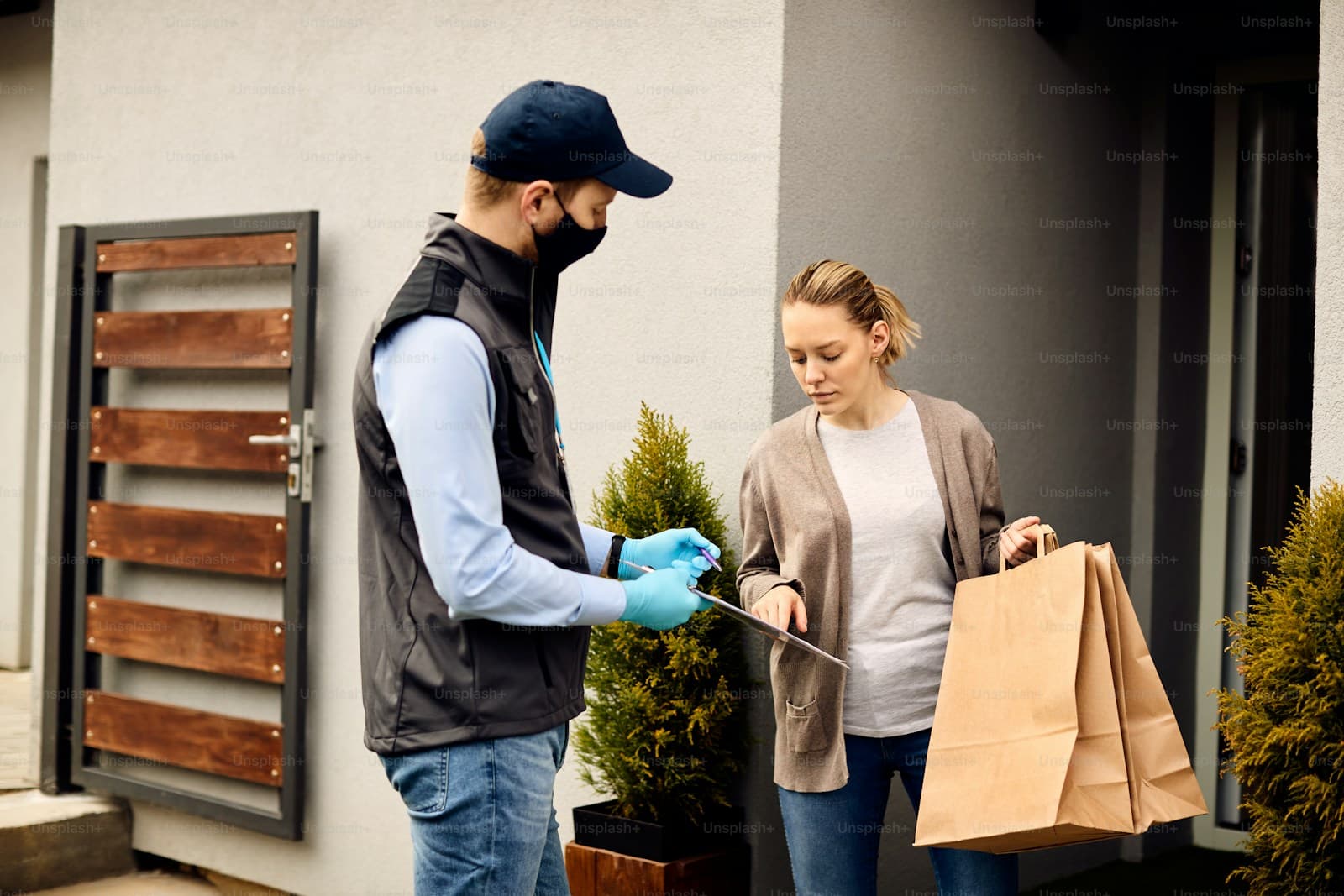
South Carolina's Route Restricted License after insurance lapse prohibits rideshare driving even during approved work hours—most drivers discover this when their employer flags the restriction or DMV revokes the license after the first shift.
Why South Carolina Route Restricted Licenses Prohibit Rideshare Work
South Carolina's Route Restricted License requires drivers to submit exact origin and destination addresses for every approved trip before the DMV issues the permit. Rideshare driving involves passenger-directed destinations that change with every ride request, making it structurally incompatible with the state's route approval process.
The restriction is not about work legitimacy. DMV approves licenses for delivery drivers, home health aides, and other employment requiring multiple stops—but only when those stops are predetermined and employer-documented. Uber and Lyft cannot provide route documentation because routes don't exist until a passenger requests them.
Drivers who list rideshare as employment on their Route Restricted License application face automatic denial in most cases. Those who list a different employer but attempt rideshare work during approved hours violate the license terms, triggering revocation and often extending the underlying suspension by 90 days or more.
What Approved Work Routes Actually Mean for Insurance Lapse Suspensions
South Carolina DMV's Route Restricted License application requires three components: approved hours, approved purposes, and approved routes with specific addresses. Most applicants focus on hours and assume any driving during those windows is permitted.
Approved routes are listed as address pairs: home to workplace, workplace to childcare facility, home to medical provider. Each pair must be supported by employer or provider documentation on letterhead. The license permits travel only between those specific points during the approved time windows.
Deviation from approved routes—even during approved hours, even for employment purposes—counts as driving under suspension. This includes detours, alternate routes due to traffic, and stops not pre-approved in the application. Officers verify compliance by checking GPS app data and employer schedule documentation during traffic stops.
Compare car insurance rates in your state
Get quotes from licensed carriers — no obligation, no spam, results in minutes.
Get Your Free Quote✓ No Obligation Required✓ Licensed Carriers Only✓ Available Nationwide✓ Free to Compare
How Rideshare Platforms Detect and Respond to Restricted Licenses
Uber and Lyft conduct periodic background checks that flag restricted driving privileges in their driver monitoring systems. The platform typically deactivates the driver account within 24-72 hours of detecting the restriction, often without advance warning.
Some drivers attempt to continue rideshare work by not disclosing the restriction to the platform. South Carolina law enforcement monitors rideshare activity in areas with high DUI enforcement presence. A driver operating under a Route Restricted License while logged into a rideshare app faces immediate arrest for driving under suspension, even if no passenger is currently in the vehicle.
Platform deactivation is permanent in most cases. Reactivation requires proof of full unrestricted license restoration, not just completion of the restricted period. Drivers who lose rideshare income during a Route Restricted License term typically cannot return to the platform until full driving privileges are restored.
Insurance Requirements for Route Restricted License After Lapse
Insurance lapse suspensions in South Carolina require SR-22 filing for three years from reinstatement date, not from suspension date. The Route Restricted License does not reduce this filing period—it runs concurrently with the underlying suspension.
SR-22 insurance during the restricted license period costs approximately $95-$165/month for liability-only coverage through non-standard carriers. Standard carriers rarely write policies for drivers holding restricted licenses. Expect quotes from Bristol West, Dairyland, The General, or Progressive's non-standard division.
The policy must reflect the restricted license status. Some carriers require an endorsement noting the restriction; others issue standard SR-22 policies but flag the account for compliance monitoring. Failing to maintain continuous SR-22 coverage during the restricted period triggers automatic license revocation and restarts the full suspension from the lapse date.
Alternative Employment Options During the Restriction Period
Drivers whose primary income comes from rideshare face two realistic paths: secure fixed-route employment that qualifies for Route Restricted License approval, or pursue work that does not require driving.
Fixed-route delivery positions—USPS rural carrier associate, medical courier, parts delivery for a single employer with documented routes—qualify for approval when the employer provides route documentation on company letterhead. The employer must specify exact addresses for all regular stops and confirm the driver's work schedule matches the requested approval hours.
Remote work, warehouse positions within walking or public transit distance, and employment where coworkers provide transportation do not require Route Restricted License approval. Some drivers use this period to transition out of gig work entirely. The restriction typically lasts 6-12 months depending on the lapse duration and whether prior violations exist.
What Happens After Route Restricted License Completion
Completing the Route Restricted License period does not automatically restore full driving privileges. South Carolina requires a separate reinstatement process: payment of the $100 reinstatement fee, proof of continuous SR-22 coverage during the restriction, and payment of any outstanding traffic fines or child support arrears.
The SR-22 filing requirement continues for three years from the original reinstatement date. Drivers who complete a 12-month restricted license period still face 24 additional months of SR-22 filing after full license restoration. Canceling SR-22 coverage before the three-year period ends triggers a new suspension.
Rideshare platform reactivation requires submitting proof of unrestricted license restoration and passing a new background check. Approval is not guaranteed—platforms evaluate the full driving record, including the suspension history. Drivers with multiple suspensions or DUI convictions during the past seven years face permanent deactivation in most cases.