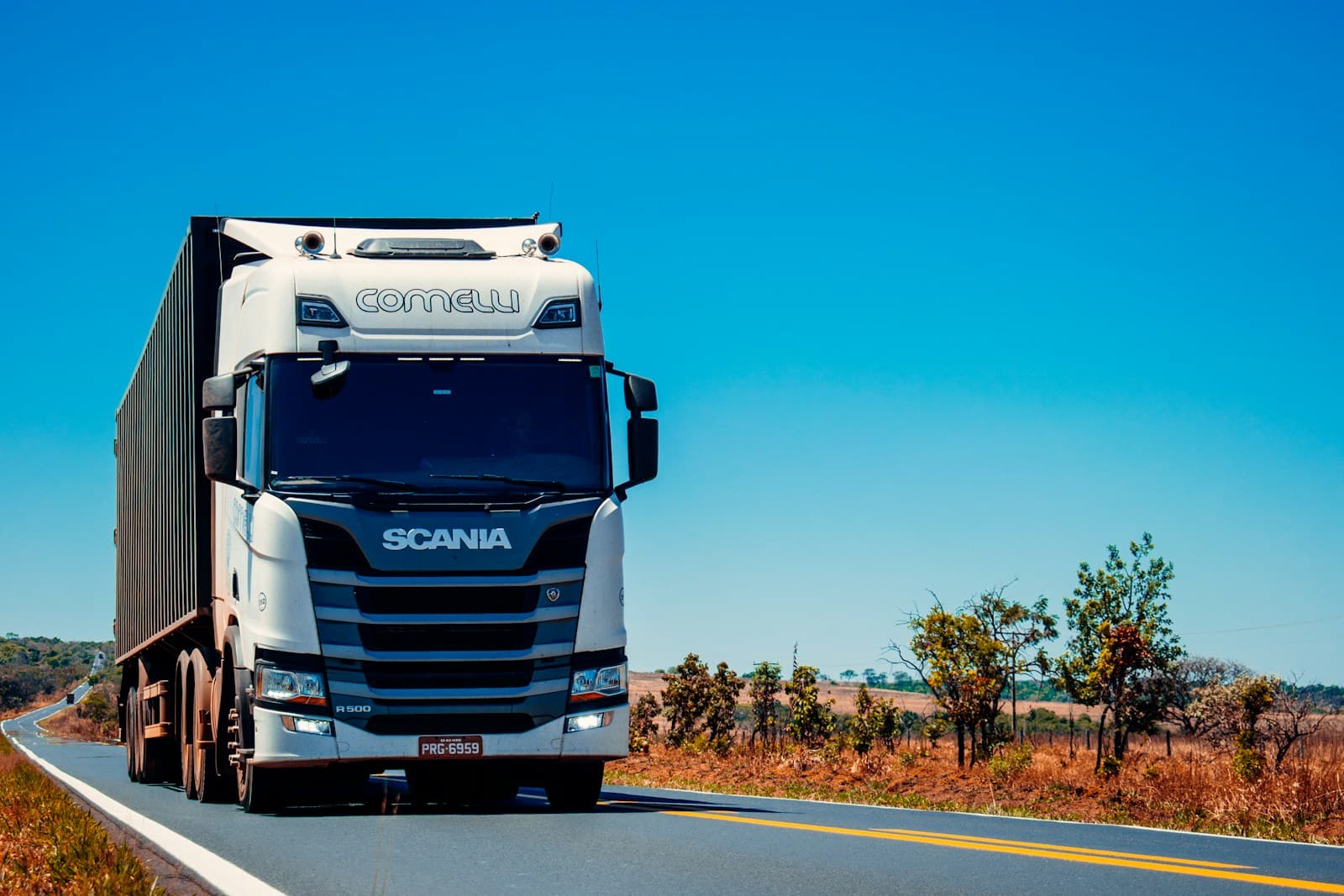
South Dakota treats CDL holders differently under its work permit program—commercial driving privileges are severed from personal-vehicle work routes, and most CDL holders don't realize their employer must provide separate vehicle documentation for each.
Why Your CDL Status Complicates South Dakota Work Permit Approval
South Dakota's work permit program treats commercial driver's license holders as a separate administrative category. Your CDL suspension runs parallel to your Class D (personal) suspension, but the state does not issue work permits that authorize commercial driving. The permit you receive covers personal-vehicle travel to approved destinations only.
Most CDL holders assume the work permit restores their ability to drive commercially for employment. It does not. Your employer cannot legally assign you to commercial routes while your CDL is suspended, even if you hold a valid work permit for personal driving. The permit authorizes you to drive your personal vehicle to and from work, medical appointments, and other approved destinations—nothing more.
This distinction creates a documentation trap. If your job requires operating a commercial vehicle, the work permit does not solve your employment crisis. You need full CDL reinstatement, which requires completing the underlying suspension period, paying reinstatement fees, and in some cases retaking CDL knowledge and skills tests.
What Destinations South Dakota Work Permits Actually Cover
South Dakota work permits authorize travel to specific approved destinations during specific approved hours. The permit specifies your employer's address, medical provider addresses, educational institution addresses, and any court-ordered program locations. Routes between these destinations during approved hours are legal. Deviation from approved destinations or hours is unlicensed driving.
Approved purposes typically include: employment (commute to and from work only, not on-the-job driving), medical appointments (your own and your dependents'), court-ordered programs (DUI education, substance abuse treatment, community service), and religious services. Personal errands, grocery shopping, and social visits are not approved purposes unless specifically added by the court.
The permit does not authorize you to drive for your job if your job involves operating a vehicle as the primary duty. If you are a delivery driver, a route driver, or any role where driving is the job function rather than commuting to the job location, the work permit does not cover that activity. Your employer must assign you to non-driving duties or you cannot work in that capacity during the restriction period.
Compare car insurance rates in your state
Get quotes from licensed carriers — no obligation, no spam, results in minutes.
Get Your Free Quote✓ No Obligation Required✓ Licensed Carriers Only✓ Available Nationwide✓ Free to Compare
How Points Accumulation Triggers CDL and Personal License Suspension Simultaneously
South Dakota uses a tiered point system. 15 points in 12 months or 22 points in 24 months triggers mandatory suspension. Points accumulate on your driving record regardless of which license class you held when the violation occurred. A speeding ticket in your personal vehicle adds the same points as a speeding ticket in a commercial vehicle.
CDL holders face federal disqualification rules on top of state suspension. A DUI in any vehicle disqualifies your CDL for at least one year. Certain serious traffic violations (reckless driving, excessive speeding, improper lane changes) trigger CDL disqualification after two convictions in three years, even if your state point total has not reached the suspension threshold.
When points trigger suspension, South Dakota suspends your driving privilege entirely—both your CDL and your Class D privilege. You cannot legally operate any motor vehicle until you apply for and receive a work permit or complete the suspension period. The work permit restores personal-vehicle driving only. Your CDL remains suspended until you complete the disqualification period and apply for reinstatement separately.
The Application Process for CDL Holders in South Dakota
South Dakota work permits are issued through the circuit court, not the Department of Public Safety. You file a petition in the county where you reside. The court evaluates whether your need for driving privileges justifies the public safety risk. CDL holders must demonstrate that personal-vehicle driving (not commercial driving) is necessary to maintain employment.
You must provide: employer verification on company letterhead stating your work address, work schedule, and confirmation that your job does not require you to operate a vehicle as a primary duty; proof of SR-22 insurance filing; payment of the $50 application fee; documentation of any court-ordered program enrollment if your suspension was DUI-related; and a proposed schedule listing approved destinations and hours.
The court reviews your petition and issues a decision within 10-15 business days in most counties. If approved, the work permit is effective immediately. If denied, you may refile after 30 days or after addressing the deficiency cited in the denial (typically unpaid fines, incomplete DUI program enrollment, or lack of employer verification).
CDL reinstatement is a separate process. After your CDL disqualification period ends, you must apply to the Department of Public Safety, pay the $100 CDL reinstatement fee, and in some cases retake the CDL knowledge test and skills test. If your disqualification was for a hazardous materials endorsement violation, you must reapply for that endorsement separately.
What Happens If You Drive Commercially on a Work Permit
Driving a commercial vehicle while your CDL is suspended is a criminal violation, not a traffic infraction. South Dakota classifies this as driving under suspension, which carries a Class 2 misdemeanor penalty: up to 30 days in jail and fines up to $500 for a first offense. Federal Motor Carrier Safety Regulations impose additional penalties—your employer faces fines for allowing you to operate a commercial vehicle without valid CDL privileges.
Most employers discover the restriction through background monitoring services that flag suspended CDL status. If your employer assigns you to commercial routes and law enforcement stops you, the violation falls on both you and your employer. The employer's insurance may deny coverage for any incident that occurs while you are operating without valid privileges.
Work permit violations also trigger automatic revocation of the permit itself. If you are cited for driving outside approved hours or destinations, or for operating a vehicle type not covered by the permit, the court revokes the permit and you serve the remainder of your suspension without any driving privileges. There is no appeal process for permit revocation due to violation.
How SR-22 Filing Works for CDL Holders Under Work Permit Restrictions
South Dakota requires SR-22 filing for most point-accumulation suspensions, particularly if the suspension involved a DUI, reckless driving, or uninsured operation. The SR-22 is a liability insurance certificate filed by your carrier directly with the Department of Public Safety. You cannot obtain a work permit without an active SR-22 on file.
CDL holders pay higher SR-22 premiums than Class D drivers. South Dakota SR-22 premiums for drivers with point-accumulation suspensions typically range $180-$290/month, depending on your age, county, and violation history. The filing itself costs $25-$50 as a one-time fee charged by your carrier.
Few standard carriers accept SR-22 filings for suspended CDL holders. Non-standard carriers that specialize in post-suspension coverage include Bristol West, Direct Auto, Dairyland, GAINSCO, and National General. You must maintain continuous SR-22 filing for the duration specified by the court—typically two to three years from the date of reinstatement. Any lapse in coverage triggers automatic re-suspension.
If you do not own a vehicle, you need a non-owner SR-22 policy. This covers you when driving vehicles you do not own, which is the only scenario your work permit authorizes. Non-owner policies cost less than standard policies but still require SR-22 filing at the same duration.