Getting a restricted license in Utah after a DUI or suspension costs more than the DMV fee. Budget for reinstatement, SR-22 filing, ignition interlock, court costs, and the premium spike most carriers never spell out before you apply.
What a Utah Restricted License Actually Costs Beyond the DMV Fee
Utah's DMV charges $55 for the restricted license application itself, but that's roughly 2% of what you'll spend in the first year. The real cost stack includes SR-22 insurance premium increases averaging $1,200–$2,400 annually, ignition interlock device installation ($75–$150) plus monthly monitoring ($60–$90/month for 18–36 months), state reinstatement fees ($380 for DUI, $225 for other suspensions), court-ordered alcohol education program fees ($400–$800), and potential attorney fees if your hardship hearing requires legal representation ($1,500–$3,000).
Most drivers budget only for the visible DMV and court costs, then hit a wall when their current carrier either cancels the policy or quotes a renewal 150–200% higher with SR-22 endorsement. Non-standard carriers that write restricted-license policies—Bristol West, Dairyland, GAINSCO, The General—price the risk differently than standard carriers, and that spread determines whether your total annual insurance cost lands at $1,800 or $4,200.
Utah ties restricted license eligibility to proof of financial responsibility, which means the SR-22 must be active before the DMV issues the license. If your SR-22 lapses even one day during the restriction period, Utah Driver License Division suspends the restricted privilege immediately and restarts your suspension clock from zero. That single-day gap can cost you 18 additional months of compliance.
SR-22 Filing and Premium Increase: The Largest Single Expense
The SR-22 certificate itself costs $25–$50 to file with Utah DLD, paid once at the start of your filing period. The premium increase on the underlying liability policy is where the real cost lives. Utah requires 3 years of continuous SR-22 filing for most DUI and reckless driving suspensions, meaning 36 consecutive months with no coverage gap.
A clean-record driver in Salt Lake County pays approximately $95–$140/month for minimum liability coverage (25/65/15). That same driver with a DUI conviction and SR-22 requirement pays $180–$350/month with a non-standard carrier, depending on age, vehicle, and violation details. The annual difference runs $1,020–$2,520 compared to pre-violation rates. Multiply that by three years and the SR-22 filing requirement alone costs $3,060–$7,560 beyond what you paid before the suspension.
Carriers that write SR-22 policies in Utah include Bristol West, Dairyland, GAINSCO, Direct Auto, Safe Auto, The General, and Acceptance Insurance. Standard carriers like State Farm and Progressive will often non-renew your policy after a DUI rather than offer SR-22 endorsement, forcing you into the non-standard market where price spread between carriers can hit 40–60% for identical coverage.
Compare car insurance rates in your state
Get quotes from licensed carriers — no obligation, no spam, results in minutes.
Get Your Free Quote✓ No Obligation Required✓ Licensed Carriers Only✓ Available Nationwide✓ Free to Compare
Ignition Interlock Device: Installation, Monthly Monitoring, and Calibration
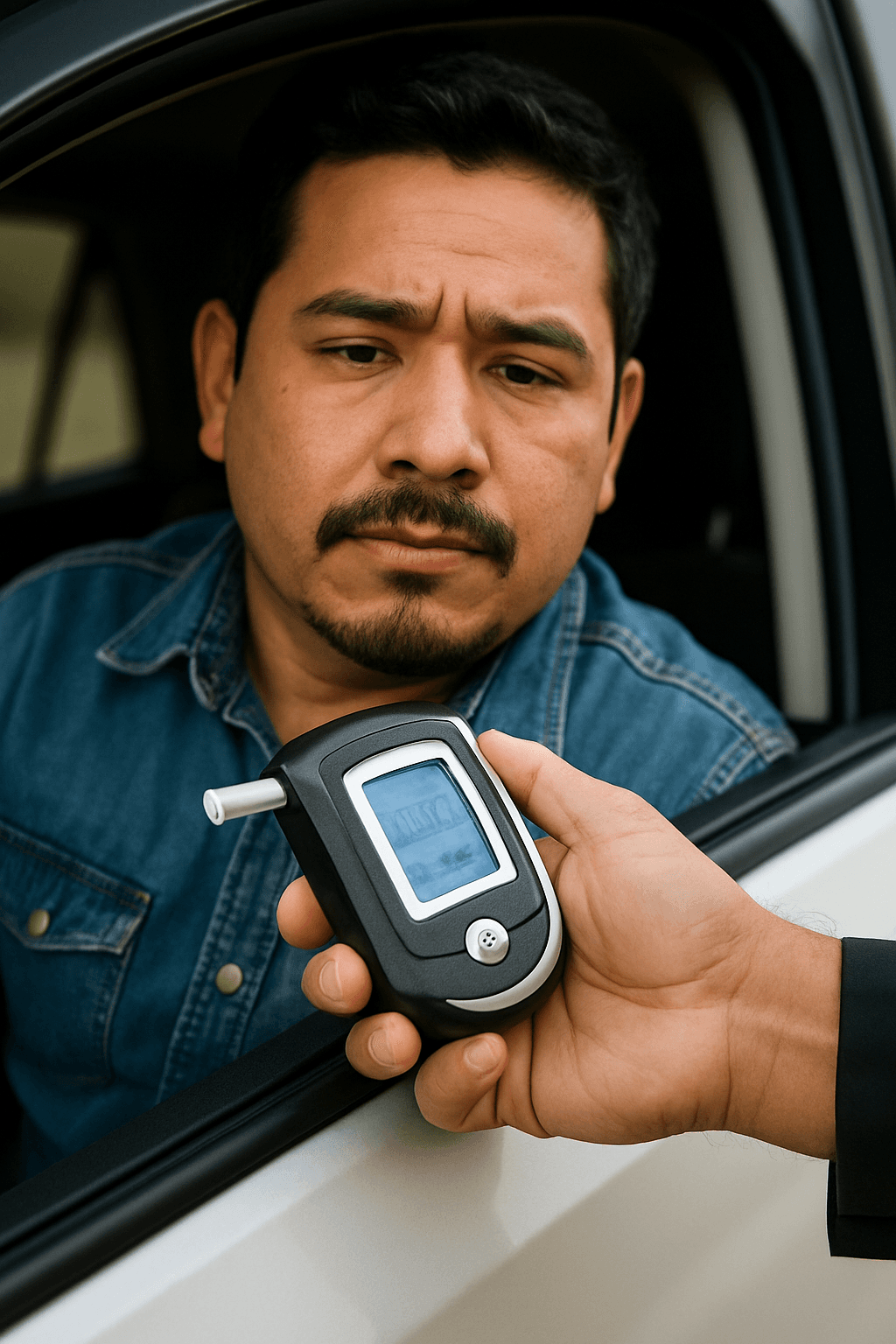
Utah requires an ignition interlock device for all DUI-related restricted licenses, with duration tied to your BAC at arrest and prior offense count. First-offense DUI with BAC under 0.16 requires 18 months of IID. BAC over 0.16 or second offense requires 36 months. Refusal cases trigger 36 months regardless of BAC.
Installation runs $75–$150 depending on provider and vehicle type. Monthly monitoring, data download, and device lease cost $60–$90/month. You'll also pay $20–$40 for each required calibration appointment every 30–60 days. Over 18 months, total IID cost runs $1,215–$1,890. Over 36 months, it climbs to $2,340–$3,510. These costs are paid directly to the IID provider—LifeSafer, Intoxalock, Smart Start—and are not covered by insurance.
Utah allows IID removal only after you've completed the full required period with zero failed startup tests and fewer than three failed rolling retests per month. A single failed startup test doesn't extend your IID period, but three violations in one month trigger a 30-day extension and require proof of alcohol treatment compliance before the device is removed.
Reinstatement Fees, Court Costs, and Program Compliance
Utah Driver License Division charges a $380 reinstatement fee for DUI suspensions and $225 for non-DUI suspensions (insurance lapse, multiple points, underage alcohol). This fee is separate from the $55 restricted license application and must be paid before your full driving privilege is restored at the end of your restriction period. If you're applying for a restricted license after a DUI, you pay the $55 application fee upfront and the $380 reinstatement later when transitioning back to an unrestricted license.
Court-ordered alcohol education programs—Prime for Life, Level I or Level II substance abuse treatment—cost $400–$800 depending on program length and provider. Courts typically require proof of enrollment before granting restricted driving privileges, and completion is mandatory before full license reinstatement. Some counties require an additional $200–$400 victim impact panel fee.
If your case required a hardship hearing rather than administrative DMV approval, expect attorney fees of $1,500–$3,000 if you hired representation. Utah does not provide public defenders for DMV hardship hearings, and approval rates are significantly higher with legal counsel, especially for second-offense DUI or cases involving accidents.
Monthly Budget Breakdown for Year One
Here's what the first 12 months of a Utah restricted license costs when you add every mandatory expense. SR-22 insurance premium: $180–$350/month ($2,160–$4,200/year). Ignition interlock monitoring: $60–$90/month ($720–$1,080/year). DMV application fee: $55 (one-time). Alcohol education program: $400–$800 (one-time). IID installation: $75–$150 (one-time). SR-22 filing fee: $25–$50 (one-time). Total year-one cost: $3,435–$6,335.
That range assumes you're using a non-standard carrier that writes restricted-license policies and you qualified for administrative restricted license approval without a hardship hearing. Add attorney fees ($1,500–$3,000) if you needed legal representation, and the year-one total climbs to $4,935–$9,335. If you're in month 13–36, drop the one-time fees but continue paying SR-22 premiums and IID monitoring until your filing and device periods end.
The single largest variable is insurance premium. A 28-year-old male with a first-offense DUI in Salt Lake County might pay $220/month with Dairyland and $340/month with The General for identical 25/65/15 liability coverage plus SR-22 endorsement. That $120/month spread equals $1,440/year—enough to cover your entire IID cost. Shopping at least three non-standard carriers before committing is the only way to control this expense.
What Happens If You Miss a Payment or Let SR-22 Lapse
If your SR-22 policy lapses for any reason—missed payment, voluntary cancellation, carrier non-renewal without replacement—your insurer notifies Utah DLD within 10 days. DLD suspends your restricted license immediately and will not reinstate it until you file a new SR-22 and pay a $225 late reinstatement fee. The suspension also restarts your 3-year SR-22 filing clock from zero, meaning a one-day lapse can cost you 36 additional months of compliance.
If you miss an IID calibration appointment or monthly monitoring window, the device enters lockout mode and your vehicle will not start. Utah DLD treats a lockout as a violation of your restricted license terms and will suspend the privilege until you're current on calibrations and monitoring fees. Extensions for lockout violations range from 30 days to 6 months depending on your compliance history.
Carriers do not send courtesy reminders before canceling for non-payment. Most non-standard policies have a 10-day grace period after the due date, then cancel automatically. If you're struggling with premium costs, contact your carrier before the due date—some offer payment plans or adjusted due dates, but only if you ask before the policy cancels.
How to Reduce the Total Cost Stack
Shop at least three non-standard carriers before buying SR-22 coverage. Premium spread for identical coverage and driver profile can hit 40–60% between carriers. Use the same coverage limits and vehicle details for every quote so you're comparing actual underwriting differences, not different policy structures. Bristol West, Dairyland, and GAINSCO consistently offer the lowest rates for Utah SR-22 filings, but availability varies by county and violation type.
Pay your SR-22 premium in full every 6 months if you can afford it. Most non-standard carriers charge $8–$15/month in installment fees, which adds $96–$180/year to your cost. Paying upfront eliminates installment fees and reduces lapse risk from missed payments. If upfront payment isn't possible, set up automatic payment from a checking account rather than paying manually each month.
Ask your IID provider about multi-month prepayment discounts. Some providers reduce monthly monitoring fees by $5–$10/month if you prepay 6 or 12 months upfront. Over an 18-month device period, that saves $90–$180. Confirm the provider allows early removal credit if you complete your IID requirement before the prepaid period ends—not all do.