Oregon suspends your license immediately for any BAC as an under-21 driver, but hardship permit eligibility depends on which charge you face—and most drivers don't know the distinction until it's too late.
What Oregon's Zero-Tolerance Law Actually Suspends Your License For
Oregon suspends your license under ORS 813.095 if you're under 21 and drive with any measurable blood alcohol content—0.01% to 0.07% triggers automatic administrative action. But the suspension length and hardship permit eligibility depend entirely on which violation the state charges you with.
If you blow 0.01% to 0.07%, you typically face a minor-in-possession driving privileges suspension: one year for first offense, three years for second. If you blow 0.08% or higher, prosecutors can charge you with DUII Minor under ORS 813.010, which carries the same criminal penalties as adult DUII plus mandatory minimum sentencing enhancements. The hardship permit rules are completely different for each.
Most under-21 drivers assume any BAC reading leads to the same outcome. Oregon DMV processes these as separate violation codes with separate reinstatement requirements, and confusing the two costs you months of unnecessary suspension.
Hardship Permit Eligibility After Minor-in-Possession Driving Privileges Suspension
If your suspension stems from minor-in-possession driving privileges violation (BAC 0.01% to 0.07%, no criminal DUII charge filed), you can apply for a hardship permit after serving 30 days of your suspension. Oregon DMV grants these permits for employment, education, or medical purposes only—no social driving, no exceptions.
You must submit Form 735-226 (Application for Hardship Permit), provide employer or school documentation on letterhead confirming your schedule and location, and pay the $75 application fee. Oregon requires SR-22 insurance filed before DMV will issue the permit, and most under-21 drivers see premiums increase 80% to 150% once the SR-22 requirement attaches.
The hardship permit restricts you to approved routes and hours only. Driving outside approved hours—even five minutes—results in immediate permit revocation and extension of your underlying suspension. Oregon State Police and local agencies run plate checks specifically targeting hardship permit holders during non-approved hours.
Compare car insurance rates in your state
Get quotes from licensed carriers — no obligation, no spam, results in minutes.
Get Your Free Quote✓ No Obligation Required✓ Licensed Carriers Only✓ Available Nationwide✓ Free to Compare
Why DUII Minor Convictions Block Hardship Permits Entirely
If you're charged and convicted of DUII Minor (BAC 0.08% or higher, or refusal to submit to breath test), Oregon law prohibits hardship permit issuance for the first 90 days of your one-year suspension. After 90 days, you're eligible to apply—but only if you've completed a state-approved alcohol education program and installed an ignition interlock device in any vehicle you'll drive.
ORS 813.020 mandates IID installation for all DUII convictions, including minors. Monthly IID lease costs run $70 to $100, plus $150 to $200 installation. Combined with SR-22 insurance premiums and the $75 hardship permit application fee, total first-year costs typically exceed $2,500 before you factor in attorney fees or DUII diversion program costs.
Many under-21 drivers lose employment during the 90-day hard suspension before hardship permit eligibility opens. Oregon employers in construction, retail, and service industries rarely hold positions for three months, and the hardship permit application itself takes 10 to 15 business days to process once submitted.
SR-22 Filing Requirements and Carrier Availability for Under-21 Drivers
Oregon requires SR-22 filing for the entire duration of your suspension plus three years from your reinstatement date. If you're suspended for one year, you're filing SR-22 for four years total. The filing itself costs $25 to $50, but the premium increase is where costs escalate.
Most standard carriers (State Farm, Allstate, Farmers) either non-renew under-21 policies after a zero-tolerance violation or quote premiums so high they're functionally unavailable. Non-standard carriers writing Oregon SR-22 for under-21 drivers include Dairyland, The General, Bristol West, and GAINSCO. Monthly premiums for liability-only coverage typically range $180 to $280 for drivers under 21 with a zero-tolerance violation.
If you don't own a vehicle, Oregon accepts non-owner SR-22 policies. These cost $40 to $70 per month and satisfy your filing requirement while you're driving a parent's or employer's vehicle under your hardship permit. The SR-22 must remain continuously filed—any lapse resets your three-year post-reinstatement clock to zero.
Court Diversion and How It Changes Your Hardship Permit Timeline
Oregon offers DUII diversion under ORS 813.200 for first-time offenders, including minors charged with DUII. If you enter diversion, your criminal case is suspended for one year while you complete alcohol education, victim impact panel, and supervised probation. Successful completion results in dismissal—no conviction on your record.
But diversion does not reduce your DMV suspension or change your hardship permit eligibility timeline. Your administrative license suspension runs parallel to your diversion agreement, and DMV treats diversion participants identically to convicted drivers for hardship permit purposes. You still serve 90 days hard time before applying if your charge was DUII Minor.
Diversion costs in Oregon run $500 to $700 in program fees, plus $490 diversion application fee, plus attorney fees if you hire representation. The employment benefit is real—dismissed charges don't appear on background checks—but diversion doesn't get you back on the road faster during the suspension period itself.
What Happens If You're Caught Driving on a Suspended License
Driving while suspended in Oregon under ORS 811.175 is a Class A misdemeanor carrying up to one year in jail and $6,250 in fines. For hardship permit violations—driving outside approved hours or routes—DMV immediately revokes your permit and extends your underlying suspension by the amount of time remaining on the original suspension.
If you had six months left on a one-year suspension and you're caught driving outside approved hours, your suspension is extended by six months from the date of violation. The revocation is automatic; there's no hardship hearing or appeal for permit violations discovered during traffic stops.
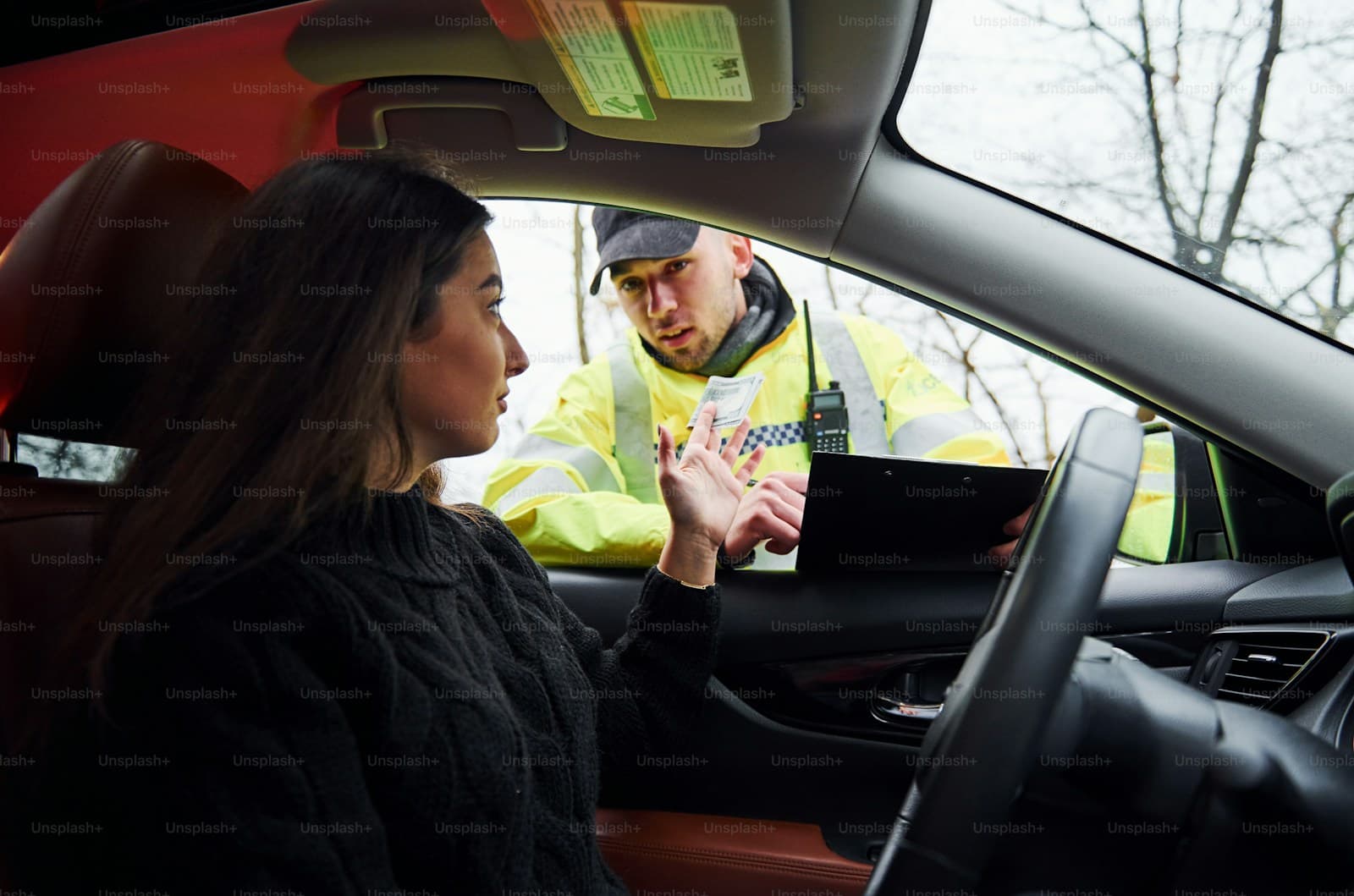
Oregon State Police maintain a real-time database of hardship permit restrictions accessible during any traffic stop. Officers know your approved hours and routes before they approach your window. Employers and parents often don't realize that letting an under-21 driver use a vehicle for non-approved purposes exposes the driver to criminal penalties and the vehicle owner to potential civil liability.
Reinstatement Requirements and What You'll Pay to Get Your Full License Back
Once you've served your full suspension period, Oregon requires payment of a $75 reinstatement fee before your license is restored. If your suspension was DUII-related, you must also provide proof of completion of a state-approved alcohol education program and proof of continuous SR-22 filing during your suspension.
If you had an IID requirement, you must provide verification of successful IID compliance for the entire required period—typically the full suspension term. Any IID violations (failed start attempts, circumvention attempts, missed service appointments) extend your IID requirement and delay reinstatement.
Total costs from zero-tolerance violation to full reinstatement for an under-21 Oregon driver typically range $3,000 to $5,500: SR-22 premiums, reinstatement fees, diversion or court costs, IID lease, and alcohol education program fees. Most drivers underestimate the duration—your SR-22 filing continues three years post-reinstatement, which means elevated premiums persist well into your mid-twenties even after your license is fully restored.