Utah Limited License for CDL Holders After DUI: Work Routes
Free to compare
Utah Limited License Doesn't Restore Commercial Driving Privileges
Utah Driver License Division grants limited licenses for essential personal driving after DUI suspension, but these permits never restore commercial driving privileges. Your CDL remains suspended for the full one-year federal disqualification period even if you qualify for limited driving.
The limited license allows approved routes to work, medical appointments, and court-ordered treatment. Commercial routes, interstate driving, and operation of vehicles requiring a CDL are explicitly prohibited under the limited license terms.
Most CDL holders assume limited license approval means they can return to work. It doesn't. You need separate federal reinstatement through FMCSA after completing the one-year disqualification, passing knowledge and skills tests again, and meeting medical certification requirements.
Federal CDL Disqualification Runs Separately From State Suspension
Utah's administrative license suspension and the federal CDL disqualification operate on independent timelines. Your limited license may be approved 30 days into your state suspension, but the federal disqualification doesn't begin until your CDL conviction date—and it runs for one full year regardless of state license status.
The federal disqualification applies to all CDL privileges nationwide. Even if you hold a CDL from another state, Utah's DUI conviction triggers the federal one-year bar. No limited license, hardship petition, or state-level reinstatement shortens the federal period.
You cannot drive commercially during this year. Violating the disqualification extends it to lifetime revocation on second offense.
What Utah's Limited License Actually Covers
Utah limited licenses allow non-commercial driving to approved destinations during approved hours. Work routes must be documented with employer name, address, shift hours, and direct route maps. Medical appointments require provider documentation. Court-ordered DUI treatment is pre-approved.
The permit prohibits commercial vehicle operation, interstate travel beyond employer-approved routes, and recreational driving. Route deviation during approved hours counts as unlicensed driving—intent doesn't matter. Most CDL holders assume their employer location approval covers deliveries or pickups. It doesn't.
Application requires $50 reinstatement fee, SR-22 insurance filing, proof of DUI screening enrollment, and employer affidavit. Processing takes 10-15 business days after complete submission.
SR-22 Requirement Applies to Limited License and Full Reinstatement
Utah requires SR-22 filing for three years after DUI conviction, starting from your conviction date. The SR-22 must be active before limited license approval and must remain active through the entire three-year period, including your CDL reinstatement.
Most CDL holders without a personal vehicle need non-owner SR-22 insurance, which provides liability coverage when driving vehicles you don't own. Monthly premiums typically run $60-$90 for clean-record CDL holders post-DUI, higher if additional violations exist.
SR-22 lapse during the three-year filing period triggers automatic license suspension and restarts the filing clock. Carriers report lapses to Driver License Division within 24 hours. You won't receive advance warning.

Get Insured for the Drive to Work
Keep Driving to Work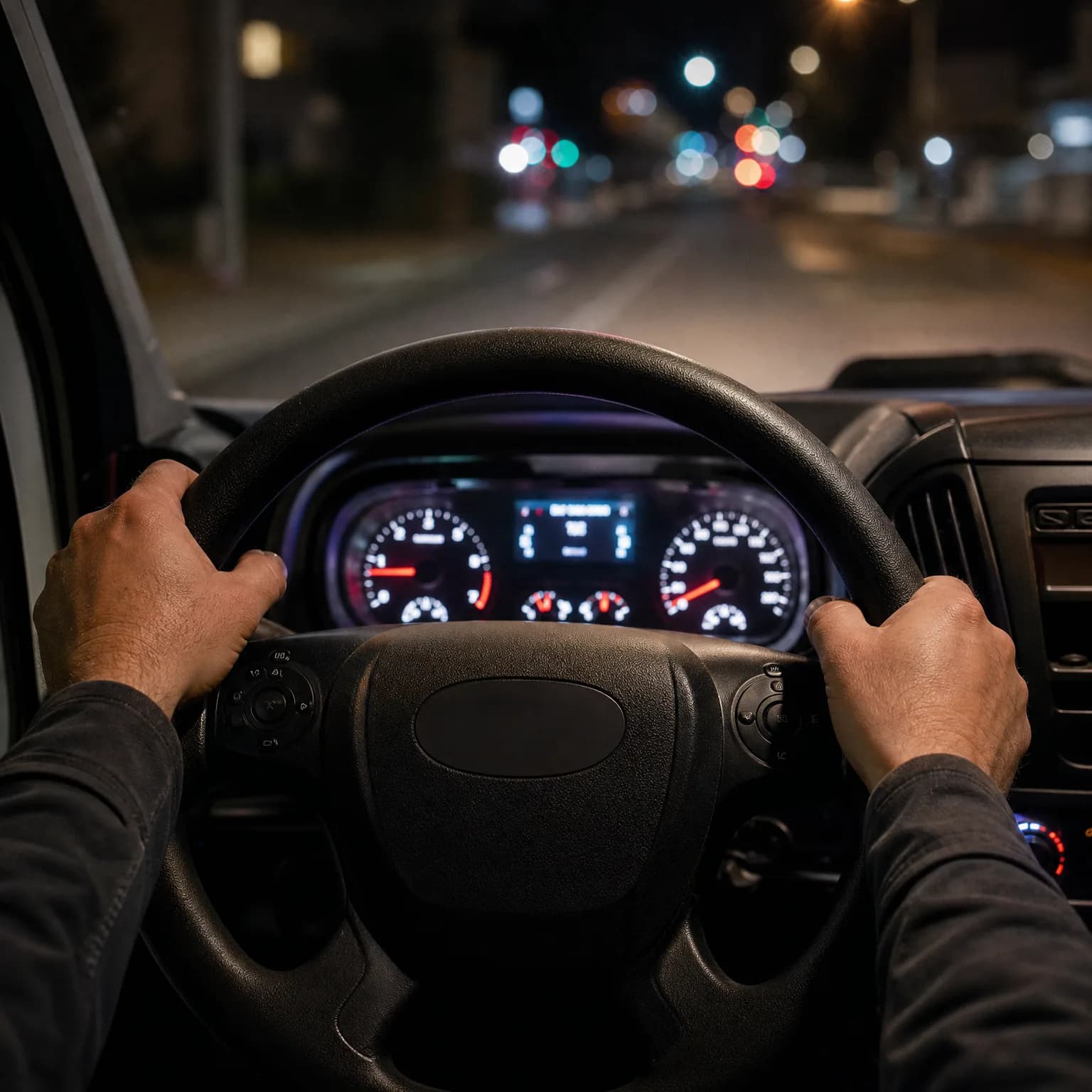
Reinstating Your CDL After Federal Disqualification Ends
After the one-year federal disqualification ends, Utah requires CDL holders to reapply and retest completely. You must pass the general knowledge test, endorsement tests for your previous credentials (hazmat, tanker, doubles), and the skills test in the vehicle class you held.
Medical certification must be current at reinstatement. If your medical card expired during disqualification, schedule a DOT physical before applying. Hazmat endorsements require new TSA background checks with fingerprinting, adding 60-90 days to the process.
Total reinstatement cost includes $50 state reinstatement fee, $85 CDL application fee, $75-$150 testing fees depending on endorsements, $100-$150 DOT physical, and $86.50 for hazmat TSA screening if applicable. Budget $400-$550 total before SR-22 insurance costs.
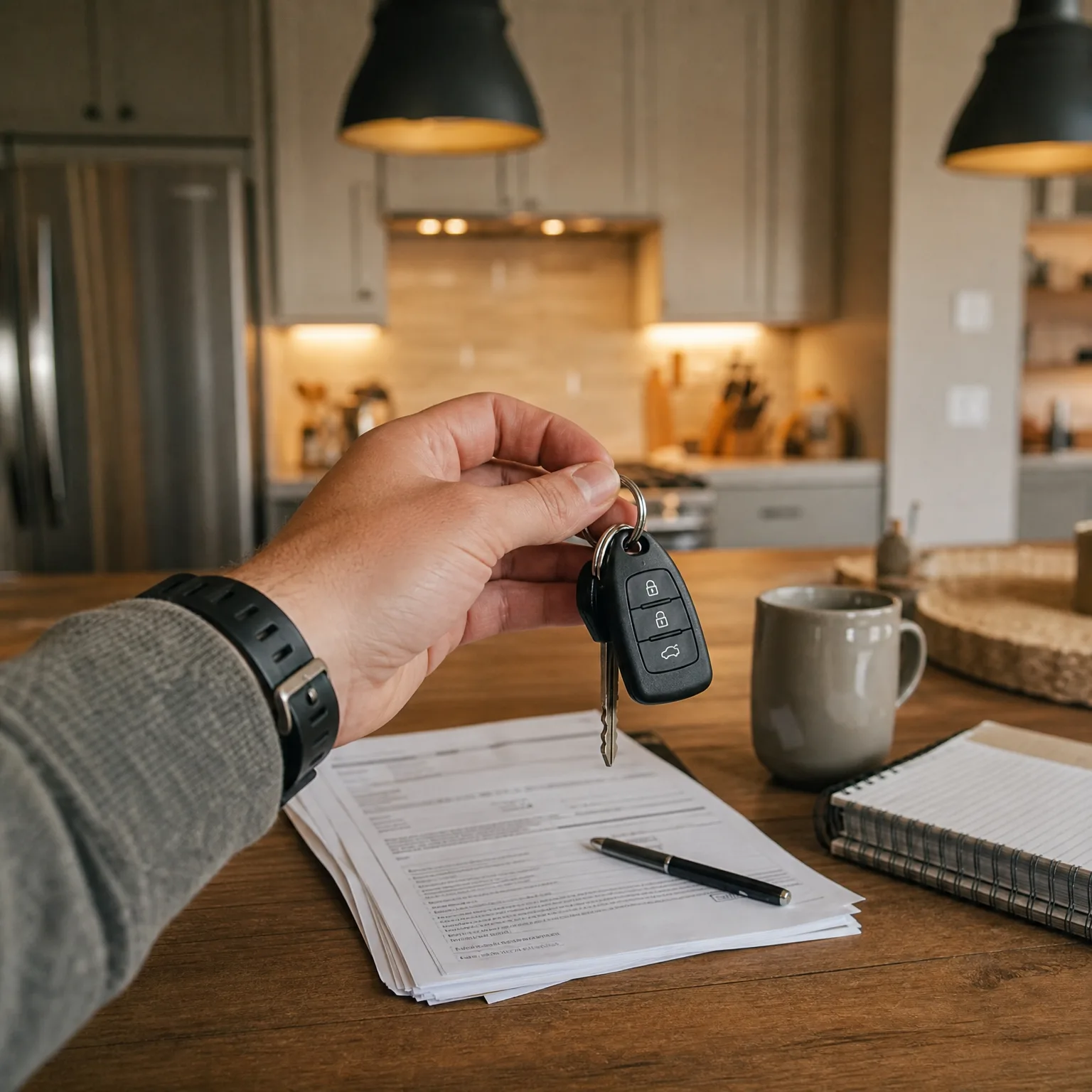
What Happens If You Drive Commercially During Disqualification
Driving a commercial vehicle during federal disqualification is unlicensed commercial operation, a class B misdemeanor in Utah carrying up to six months jail and $1,000 fine. Your employer faces federal penalties for allowing a disqualified driver to operate.
Most employers verify FMCSA clearinghouse status before allowing drivers back on the road. The clearinghouse shows active disqualifications in real time. Employers who fail to check face $6,127 per violation federal fines.
A second commercial driving offense during disqualification triggers lifetime CDL revocation with no hardship options. The federal bar is permanent—state reinstatement procedures can't override it.
Finding Coverage That Meets Utah's SR-22 Requirement
Non-standard carriers write most post-DUI SR-22 policies in Utah: Bristol West, Dairyland, GAINSCO, The General, and SafeAuto. Not all write non-owner policies, and not all write for CDL holders with recent DUI convictions.
Monthly premiums vary by age, county, and violation history. Salt Lake County drivers typically pay $75-$120/month for non-owner SR-22. Davis and Utah counties run slightly lower at $65-$100/month. Carriers require the full three-year filing commitment upfront or charge higher monthly rates for six-month terms.
Compare quotes from at least three non-standard carriers. Coverage limits, filing fees, and lapse notification procedures differ. Some carriers charge $25-$50 SR-22 filing fees; others include it in the premium.
Frequently Asked Questions
Can I use a Utah limited license to drive a semi-truck to work?
No. Utah limited licenses allow non-commercial personal driving only. Federal CDL disqualification prohibits all commercial vehicle operation for one full year after DUI conviction, regardless of limited license approval. Your employer cannot legally allow you to drive commercial vehicles during this period.
Does the one-year CDL disqualification start when I get my limited license?
No. The federal one-year CDL disqualification starts from your DUI conviction date, not your limited license approval date. The limited license only restores non-commercial personal driving—it has no effect on the federal CDL timeline.
How much does SR-22 insurance cost for CDL holders in Utah after DUI?
Non-owner SR-22 policies for Utah CDL holders post-DUI typically cost $60-$120 per month depending on county and age. Salt Lake County rates run higher than rural counties. The SR-22 filing must remain active for three years from your conviction date.
Do I have to retake my CDL tests after the one-year disqualification ends?
Yes. Utah requires CDL holders to pass all knowledge tests, endorsement tests, and skills tests again after DUI disqualification ends. You cannot reinstate your previous CDL—you must reapply as a new applicant and retest completely.
What happens if my SR-22 lapses during my limited license period?
SR-22 lapse triggers immediate license suspension and restarts the three-year filing requirement from the lapse date. Utah carriers report lapses to Driver License Division within 24 hours. You will not receive advance warning before suspension takes effect.
Can I get a limited license if I don't have a car?
Yes. Utah issues limited licenses to drivers without vehicles. You need non-owner SR-22 insurance, which provides liability coverage when driving vehicles you don't own. Monthly cost typically runs $60-$90 for post-DUI filers.
Related Articles
Utah Limited License for CDL Holders After Reckless
5/3/2026

Utah Limited License for CDL: Employer Affidavit Rules
5/3/2026
Utah CDL Restricted License: Why It Doesn't Exist
4/29/2026
Utah Limited CDL After DUI: Court Docs Employers Reject
5/3/2026
Utah DUI Restricted License: SR-22 & Eligibility
4/29/2026
Nevada Restricted License for CDL Holders After DUI
5/3/2026