Washington's Ignition Interlock License allows CDL holders to drive personal vehicles only. Your commercial driving privileges remain suspended for at least one year—most drivers lose their CDL job before they realize the IIL doesn't restore it.
Washington IIL Does Not Restore Your CDL—Only Personal Vehicle Driving
Washington's Ignition Interlock License program allows you to drive a personal vehicle equipped with an IID after a DUI suspension. Your commercial driving privileges remain suspended under federal FMCSA regulations for a minimum of one year after a first DUI conviction, regardless of whether the violation occurred in a personal vehicle or commercial vehicle.
Most CDL holders assume the IIL applies to all driving categories. It does not. The Washington Department of Licensing issues IIL privileges only for Class D (non-commercial) vehicles. Your employer cannot legally allow you to operate commercial vehicles under IIL authority, even with an IID installed in the commercial vehicle.
If you hold a CDL and were convicted of DUI in a personal vehicle, you face parallel suspensions: the state administrative suspension (eligible for IIL after 45 days on a first offense) and the federal CDL disqualification (minimum one year, no restricted driving option). The IIL resolves only the first. Your CDL job remains inaccessible until the federal disqualification period ends and you apply for CDL reinstatement separately.
Federal CDL Disqualification Overrides State IIL Privileges
Federal Motor Carrier Safety Regulations (49 CFR Part 383) impose mandatory CDL disqualification periods that Washington cannot waive through the IIL program. A first DUI conviction triggers a one-year CDL disqualification. A second DUI conviction results in lifetime disqualification, with possible reinstatement eligibility after 10 years depending on your state of licensure and employer willingness.
Washington DOL cannot issue restricted commercial driving privileges during the disqualification period. The IIL permits personal vehicle operation only. Your employer must remove you from safety-sensitive driving duties for the duration of the federal disqualification, regardless of your IIL compliance.
The federal disqualification clock starts from the date of conviction, not the date of arrest or administrative hearing. If your criminal case takes six months to resolve, your one-year disqualification begins after conviction—delaying CDL reinstatement eligibility six months beyond what most drivers initially calculate. Washington DOL does not notify CDL holders of this timing gap. Most discover it when they attempt CDL reinstatement and are told the disqualification period has not yet elapsed.
Compare car insurance rates in your state
Get quotes from licensed carriers — no obligation, no spam, results in minutes.
Get Your Free Quote✓ No Obligation Required✓ Licensed Carriers Only✓ Available Nationwide✓ Free to Compare
Approved IIL Destinations for CDL Holders—Work Means Non-Commercial Work Only
Washington IIL approval requires demonstrating specific approved purposes: employment, education, medical treatment, court-ordered obligations (including DUI treatment and ignition interlock service appointments), and childcare for dependent children. Employment routes cover travel to and from your workplace only—not job-site-to-job-site travel, delivery routes, or multi-stop commercial driving itineraries.
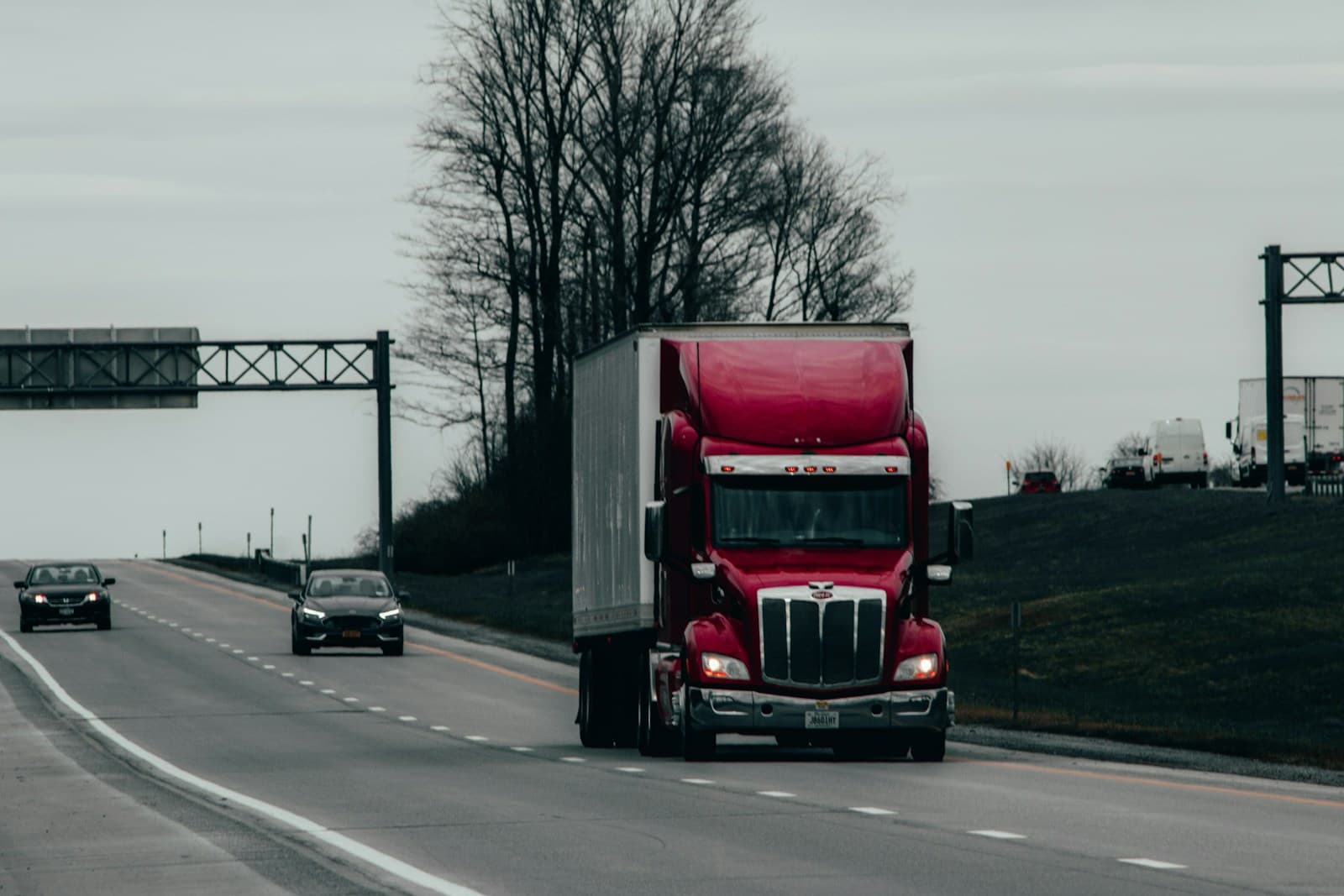
If you drive a personal vehicle to a warehouse, dispatch office, or construction yard as part of your job responsibilities, that travel qualifies as an approved employment purpose. Driving a commercial vehicle—even to the same destination—violates both your IIL restriction and federal CDL disqualification. Washington State Patrol enforces this distinction during roadside inspections. Operating a commercial vehicle under IIL authority constitutes driving while license suspended in the first degree, a gross misdemeanor carrying up to 364 days in jail and immediate IIL revocation.
Many CDL holders attempt to continue local delivery work or short-haul trucking under the assumption that the IIL covers employment generally. It does not. The moment you operate a vehicle requiring a CDL, you exceed your IIL authority. Washington DOL does not pre-approve employment types during IIL application—compliance enforcement happens retroactively through citation and revocation.
IIL Application and SR-22 Filing Requirements for CDL Holders
Washington requires SR-22 filing for IIL eligibility. You must obtain SR-22 insurance from a licensed carrier before applying for the IIL. The SR-22 filing must remain active for three years from the date of conviction, not the date of IIL issuance. If your SR-22 lapses for any reason during the three-year period, Washington DOL suspends your IIL immediately and restarts the SR-22 filing clock.
CDL holders face higher SR-22 premiums than non-commercial drivers because carriers classify DUI convictions as high-risk regardless of vehicle type. Monthly SR-22 insurance costs typically range from $140 to $250 per month for liability-only coverage in Washington, depending on your county, age, and driving history prior to the DUI. Carriers specializing in post-DUI coverage include Bristol West, Dairyland, The General, GAINSCO, and Direct Auto.
If you do not own a vehicle, you must obtain non-owner SR-22 insurance to qualify for the IIL. Non-owner SR-22 provides liability coverage when you operate vehicles you do not own—commonly used by CDL holders who lost personal vehicle access after the DUI. Monthly non-owner SR-22 premiums in Washington typically range from $85 to $160 per month. The policy does not cover commercial vehicles under any circumstance.
IID Installation and Route Monitoring Under Washington IIL
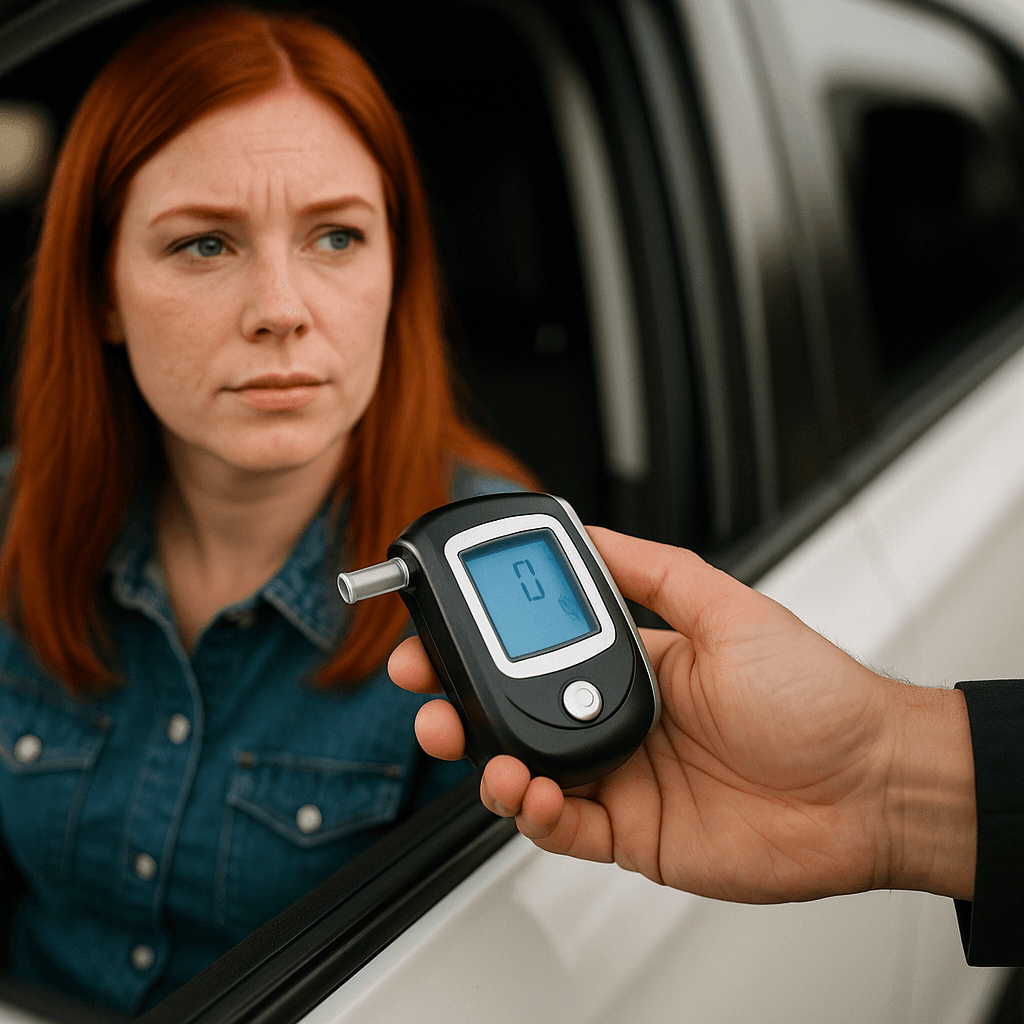
Washington requires ignition interlock installation on every vehicle you own or operate regularly. If you share a household vehicle with a spouse or family member, that vehicle must have an IID installed unless the co-owner obtains a Washington DOL exemption proving they hold a valid license and do not share driving access with you. Exemption approval is discretionary and frequently denied.
IID installation costs approximately $100 to $150, with monthly lease and calibration fees ranging from $75 to $100. Washington-certified IID providers include Smart Start, Intoxalock, LifeSafer, and Guardian Interlock. The device logs every start attempt, failed breath test, and GPS location if your court order requires GPS monitoring (common in Snohomish, King, and Pierce counties for CDL holders with aggravated DUI convictions).
GPS-enabled IID units track your vehicle's location during every ignition cycle. If your approved IIL destinations include home, workplace, and DUI treatment appointments only, driving to unapproved locations—even during non-working hours—generates a violation report submitted to Washington DOL and your probation officer if applicable. Violation reports trigger IIL revocation hearings. Most CDL holders do not realize GPS monitoring extends beyond work hours until the first violation report arrives.
Cost Stack for Washington IIL and SR-22 Compliance
Washington IIL compliance costs front-load heavily in the first 90 days. Initial costs include DOL reinstatement fee ($170), IIL application fee ($100), SR-22 filing fee ($25 to $50 depending on carrier), IID installation ($100 to $150), and first month's SR-22 insurance premium ($140 to $250). Total initial outlay typically ranges from $535 to $720 before monthly carrying costs begin.
Monthly carrying costs include SR-22 insurance ($140–$250), IID lease and calibration ($75–$100), and DUI treatment program fees (typically $80 to $120 per month depending on provider and King County court requirements). Monthly compliance costs range from $295 to $470. Over the minimum IIL period (12 months for first-offense DUI), total costs typically range from $4,075 to $6,360.
CDL holders face additional income loss during the federal disqualification period. If your CDL job paid $60,000 annually and you are disqualified for one year, the total economic impact exceeds $60,000 in lost wages plus $4,000+ in IIL compliance costs. Washington offers no hardship waiver or reduced-cost IIL program for CDL holders. Budget realistically for non-commercial employment income during the disqualification year.
Navigating CDL Reinstatement After Federal Disqualification Ends
When your one-year federal disqualification period ends, Washington DOL does not automatically reinstate your CDL. You must apply for CDL reinstatement separately, pay the CDL reissue fee ($89), and pass the knowledge and skills tests again if your disqualification exceeded one year or if you held a hazmat endorsement.
Washington requires proof of SR-22 compliance throughout the disqualification period before approving CDL reinstatement. If your SR-22 lapsed at any point during the year, your reinstatement eligibility resets. Many CDL holders discover SR-22 lapses only when they apply for CDL reinstatement—Washington DOL does not send lapse notifications during the disqualification period.
Employers are not required to rehire you after CDL reinstatement. Most trucking companies, transit agencies, and delivery services maintain internal policies prohibiting rehire of drivers with DUI convictions within the past five to seven years. Even after reinstatement, your job search will focus on smaller carriers, owner-operator roles, or non-driving positions within the transportation industry. Realistically assess your post-reinstatement employment options before committing to the cost and time investment of CDL reinstatement.