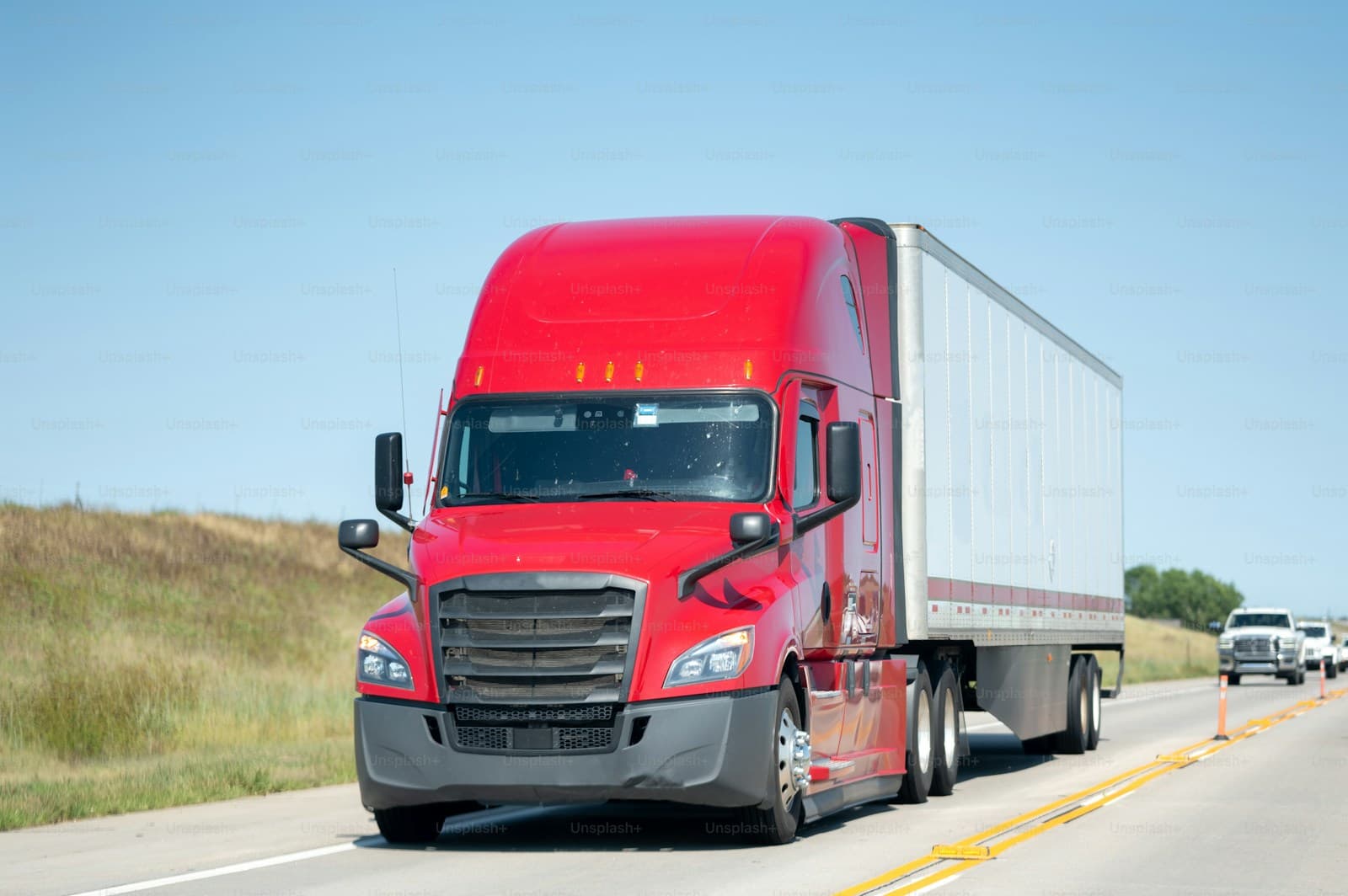
West Virginia issues restricted CDL licenses with work-only route specifications, but DOT medical certification requirements apply immediately at approval—most commercial drivers don't realize their medical card must be active before DMV finalizes the restricted license, delaying issuance by 10–14 days.
West Virginia Restricted CDL License Approval Requires Active DOT Medical Certification at Filing
The West Virginia DMV does not finalize restricted commercial driver's licenses until the applicant's DOT medical examiner's certificate is active and uploaded to the Federal Motor Carrier Safety Administration's clearinghouse. Most commercial drivers file for restricted privileges immediately after a reckless driving conviction, assuming they can schedule their DOT physical after approval. They lose 10–14 days waiting for medical exam appointments, clearinghouse processing, and DMV cross-reference before the restricted license is issued.
Your restricted CDL application requires: proof of employer need (employer affidavit specifying routes and hours), court order showing conviction disposition, proof of SR-22 filing effective on or before the application date, and proof of current DOT medical certification uploaded to the FMCSA National Registry. The medical certification must show an issue date within the past 90 days and an expiration date at least 12 months forward. If your medical card expired during the suspension period, schedule a new DOT physical before filing for restricted privileges.
West Virginia DMV processes restricted CDL applications within 5 business days once all documents are verified, but clearinghouse medical certification queries add 3–5 business days to that window. Applicants who schedule their DOT physical the same week they file see approval within 8–10 business days. Applicants who wait to schedule until after filing see approval delayed to 18–25 business days, often pushing past employer deadlines.
Approved Routes Must Match Employer-Documented Delivery or Service Territories
West Virginia restricted CDL licenses specify approved routes by origin address, destination address, and intermediate waypoints. The court order lists each approved route individually. Your employer's affidavit must document the specific service territory, delivery zones, or client sites your job requires. Generic descriptions like "statewide commercial routes" or "as needed for business purposes" are rejected at the administrative hearing.
Most freight and logistics employers provide route affidavits that list county-level delivery zones. That framing is too broad for West Virginia restricted license approval. The court expects: company headquarters address, distribution center or terminal address if different, client site addresses or delivery stop addresses for recurring routes, and county boundaries for service territories if your job covers multi-county regions without fixed stops. If your job includes irregular routes (on-call HVAC service, emergency towing, construction equipment transport), your employer must document the geographic bounds of your service territory by county and major highway corridor.
Deviation from approved routes during your restriction period is treated as driving without a valid CDL. West Virginia State Police cross-reference GPS data from employer fleet management systems during traffic stops. If you are stopped on a route not listed in your court order, your restricted license is revoked immediately and the underlying suspension period extends by 6 months from the revocation date.
Compare car insurance rates in your state
Get quotes from licensed carriers — no obligation, no spam, results in minutes.
Get Your Free Quote✓ No Obligation Required✓ Licensed Carriers Only✓ Available Nationwide✓ Free to Compare
SR-22 Requirement Depends on Whether Reckless Driving Involved Commercial or Personal Vehicle
Reckless driving convictions in a commercial motor vehicle trigger mandatory SR-22 filing for the duration of your restricted license period plus 3 years from the date your full CDL is reinstated. Reckless driving convictions in a personal vehicle while holding a CDL may or may not require SR-22 depending on whether the conviction triggered a federal disqualification under 49 CFR 383.51. West Virginia DMV notifies you of the SR-22 requirement in your suspension notice. If the notice lists "proof of financial responsibility required," SR-22 is mandatory.
Most commercial drivers cannot obtain SR-22 endorsements from their employer's fleet insurance policy. The SR-22 must be filed under a personal auto insurance policy, even if you no longer own a vehicle. Non-owner SR-22 policies provide liability coverage and SR-22 filing for drivers who do not own a vehicle but need proof of financial responsibility to reinstate a CDL. Monthly premiums for non-owner SR-22 policies after a reckless driving conviction typically range from $95–$160/month for minimum state liability limits.
If your employer's insurance carrier agrees to file SR-22 on your behalf, the filing must list you as the named insured or additional insured, not as a driver under the company's commercial auto policy. Most fleet carriers decline SR-22 filings for individual drivers because it increases administrative burden and triggers underwriting review of the entire fleet policy.
Application Process: Court Petition vs DMV Administrative Hearing
West Virginia does not issue restricted CDL licenses through DMV administrative process. All restricted commercial driving privileges require a court petition filed in the county where the reckless driving conviction was entered. The petition must be filed after the statutory waiting period (30 days from conviction date for first-offense reckless driving, 90 days for second-offense or aggravated reckless driving) but before the end of your suspension period.
Your petition must include: employer affidavit documenting job title, work schedule, approved routes, and confirmation that your continued employment depends on restricted driving privileges; proof of SR-22 filing if required; proof of DOT medical certification uploaded to FMCSA clearinghouse; court order showing conviction disposition and sentence completion; proof of payment for all court fines, fees, and restitution; and proof of completion of any state-mandated driver improvement programs. The court schedules a hardship hearing within 14–21 days of petition filing.
At the hearing, the prosecuting attorney may oppose your petition if your reckless driving involved injury, property damage, or commercial vehicle operation under unsafe conditions. Judges approve restricted CDL petitions at approximately 68% for first-offense reckless driving and 41% for second-offense or aggravated reckless. If your petition is denied, you may refile after 60 days with additional documentation of hardship.
Cost Structure for Restricted CDL License After Reckless Driving
The total cost to obtain a restricted CDL license in West Virginia after reckless driving conviction includes: court petition filing fee ($85 in most counties, verify with your county clerk), restricted license application fee ($25), SR-22 filing fee if required ($25–$50 one-time from most carriers), SR-22 insurance premium increase (typically $70–$130/month above your prior premium for commercial drivers, or $95–$160/month for non-owner SR-22 policies), and DOT medical examination fee if your prior certification expired ($75–$125 depending on examiner). Most drivers spend $1,200–$2,100 in the first 90 days to obtain and maintain a restricted CDL license.
If you hire an attorney to file the petition and represent you at the hardship hearing, legal fees typically range from $600–$1,200 depending on case complexity. Attorneys improve approval rates in contested hearings (where the prosecuting attorney opposes the petition) but do not significantly improve approval rates in uncontested first-offense cases. If your employer will provide a detailed route affidavit and your conviction did not involve injury or property damage, most drivers file pro se without legal representation.
SR-22 premiums remain elevated for 3 years from the date your full CDL is reinstated, not from the date your restricted license is approved. If your suspension period is 6 months and you maintain a restricted license for 5 of those months, you will still carry SR-22 for 3 years after full reinstatement, totaling 3 years and 6 months of elevated premiums.
Restricted License Violations Extend Your Underlying Suspension Period
Violating the terms of your West Virginia restricted CDL license triggers immediate revocation and extends your underlying suspension period by 6 months from the revocation date. Common violations include: driving outside approved routes, driving outside approved hours, operating a commercial vehicle without current DOT medical certification, allowing SR-22 coverage to lapse, and operating a vehicle class not authorized by your restricted license (for example, driving a Class A vehicle when your restricted license authorizes Class B only).
West Virginia State Police monitor restricted CDL compliance through roadside inspections and employer fleet data sharing agreements. If you are stopped during a DOT inspection and your route log does not match the approved routes in your court order, the trooper confiscates your restricted license at the scene. You receive a citation for driving under suspension, which is a misdemeanor carrying up to 6 months in jail and fines up to $500. Your employer is notified within 24 hours.
Most commercial employers terminate drivers immediately after a restricted license revocation because the extended suspension period (original suspension plus 6-month extension) makes the driver unavailable for work beyond reasonable accommodation timelines. If your job depends on CDL privileges, treat your restricted license route and hour restrictions as absolute limits.