Kansas courts can order IID, SCRAM, and breath testing alongside your work permit. Here's how to comply with all three systems simultaneously without losing your restricted driving privilege.
Kansas Work Permit Eligibility After DUI With Monitoring Requirements
Kansas allows work permit applications 30 days after a first-offense DUI suspension begins, but courts often add alcohol monitoring conditions before the Kansas Department of Revenue (KDOR) issues the permit. You apply through KDOR for the permit itself, but the court controls monitoring requirements through your diversion agreement or probation order. The two systems run parallel.
Most Kansas counties require Ignition Interlock Device (IID) installation as a condition of work permit approval for DUI cases. Some courts add SCRAM continuous alcohol monitoring or scheduled breath testing through pretrial services or probation departments. All three systems can run simultaneously. The work permit doesn't replace monitoring — it authorizes driving while you're being monitored.
KDOR issues the permit after you submit employer documentation, pay the $100 application fee, file SR-22 proof of insurance, and show compliance with court-ordered monitoring. If the court ordered IID, you need the installation invoice and provider compliance reports. If SCRAM is required, you need enrollment confirmation from your monitoring agency. The permit approval timeline is 10–15 business days after KDOR receives complete documentation.
How IID, SCRAM, and Breath Testing Requirements Differ in Kansas
Ignition Interlock Devices measure breath alcohol before every engine start and randomly while driving. Kansas-approved providers include Smart Start, Intoxalock, and LifeSafer. Monthly cost runs $70–$100 including calibration. The device logs every test, every violation attempt, and every drive. Kansas law requires IID for all first-offense DUI work permits where BAC was .15 or higher, and most counties require it for all DUI work permits regardless of BAC.
SCRAM ankle monitors measure alcohol metabolites through skin every 30 minutes, 24 hours per day. The device detects drinking even if you never get behind the wheel. Kansas courts order SCRAM for high-BAC cases, repeat offenders, or cases involving accidents. Monthly cost runs $300–$450 including monitoring service fees. The bracelet uploads data wirelessly to your probation officer or pretrial services coordinator.
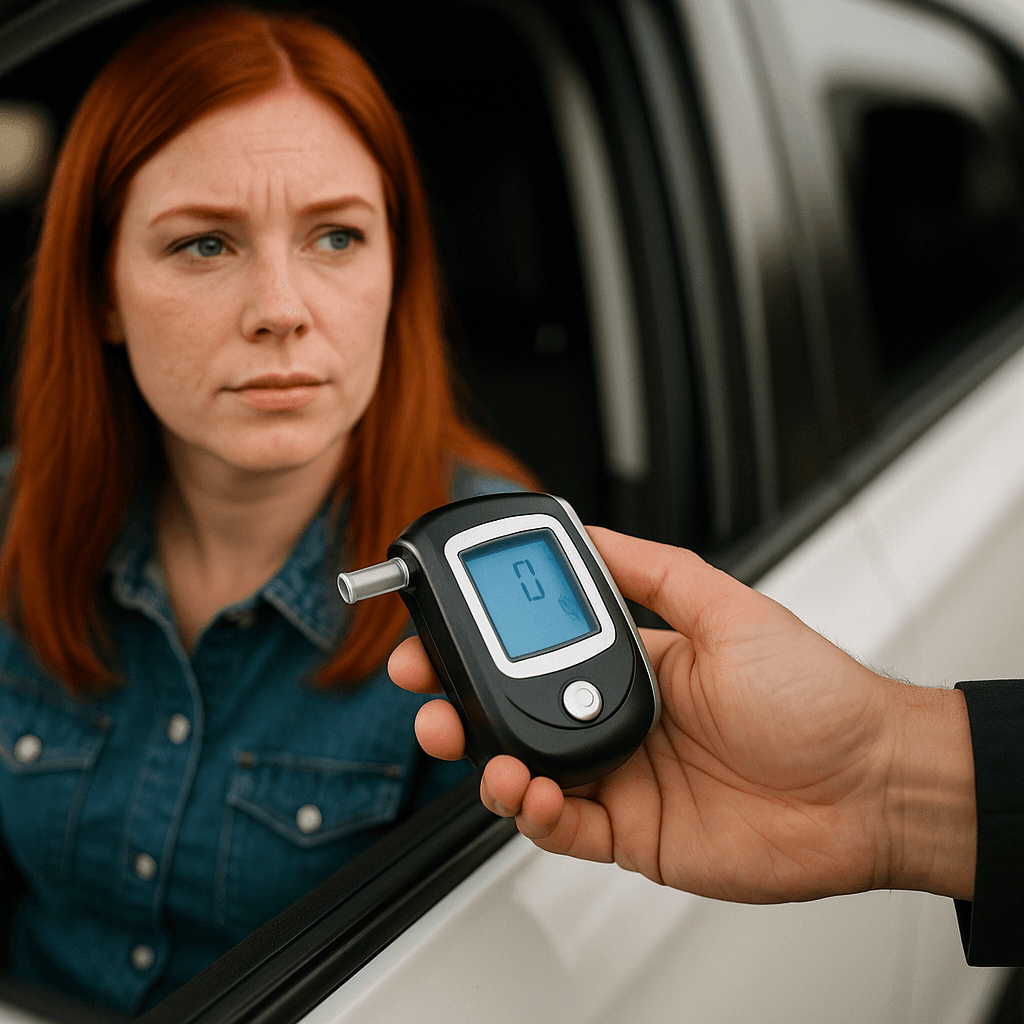
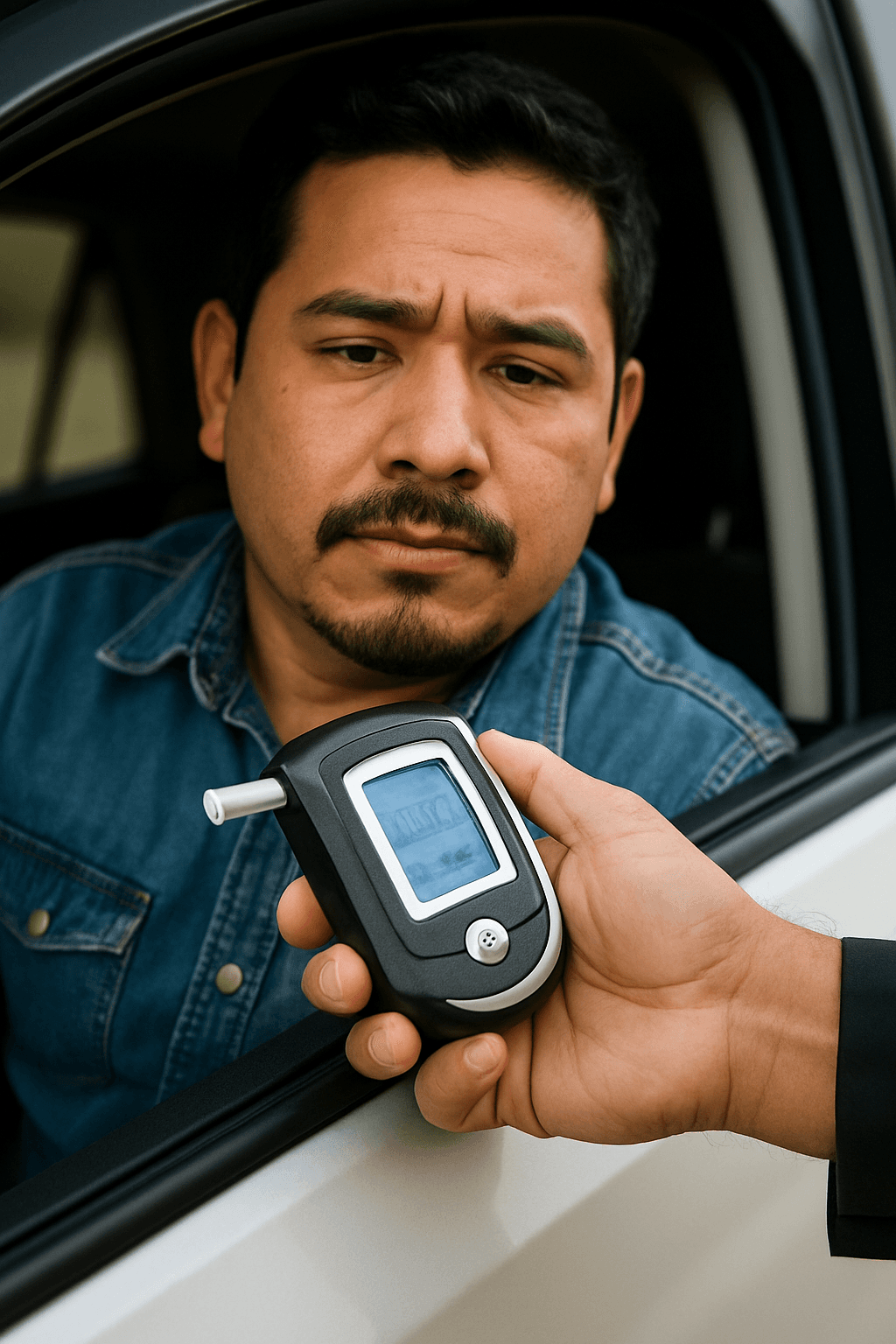
Scheduled breath testing requires appearing at a probation office, pretrial services location, or police department at assigned times for PBT (portable breath test) screening. Typical schedules: twice weekly or three times weekly, often randomized by call-in hotline. Miss one test, and it counts as a positive. No equipment cost, but travel and time commitment can conflict with work permit approved hours.
Compare car insurance rates in your state
Get quotes from licensed carriers — no obligation, no spam, results in minutes.
Get Your Free Quote✓ No Obligation Required✓ Licensed Carriers Only✓ Available Nationwide✓ Free to Compare
Complying With Monitoring While Using Your Kansas Work Permit
Your work permit restricts driving to approved purposes during approved hours. Kansas allows work, medical appointments, court-ordered programs (AA meetings, DUI education, monitoring check-ins), and childcare. Some counties allow grocery trips once per week. Your court order and KDOR permit letter define your exact approved hours and routes.
IID compliance is straightforward: the device is installed in your vehicle, and you use that vehicle only during permitted hours for permitted purposes. Every IID start and rolling retest is logged. If you start the car outside approved hours, the device doesn't stop you, but KDOR sees the violation in the next compliance download. Two violations typically trigger permit revocation.
SCRAM and breath testing add scheduling complexity. If your work permit allows driving Monday–Friday 6:00 AM–6:00 PM for work only, but your probation officer schedules a Tuesday 8:00 AM breath test, you're allowed to drive to that appointment because it's a court-ordered program. You need documentation: the appointment notice, the compliance report, and sometimes a letter from your probation officer confirming the test as a required appearance. Keep printed copies in your vehicle.
The single hardest compliance point: SCRAM detects alcohol consumption whether you're driving or not. Drinking at home on Saturday violates your SCRAM condition even if you never leave the house and never violate work permit hours. Courts treat SCRAM violations as probation violations, which can trigger work permit revocation through a separate KDOR administrative action.
What Happens When You Violate One Monitoring Requirement
Kansas treats IID violations, SCRAM violations, and missed breath tests differently, but all three can end your work permit. An IID violation (failed test, tamper attempt, missed calibration) goes to KDOR within 48 hours. KDOR issues a notice of suspension and schedules a hearing. You have 10 days to request the hearing in writing. If you don't, the permit is revoked automatically.
SCRAM violations go to your probation officer or pretrial services first. The court schedules a violation hearing. If the court finds you violated probation or diversion terms, the probation order can be modified to prohibit driving entirely, which overrides your work permit. KDOR is notified and suspends the permit administratively. You don't get a separate KDOR hearing — the court order controls.
Missed breath tests count as positive tests in most Kansas counties. Your supervising agency reports the violation to the court. The process mirrors SCRAM violations: court hearing, finding of violation, permit revocation. Some counties allow one missed test as an excused absence if you provide employer documentation of a schedule conflict, but that's discretionary.
All three violation types restart your suspension clock. If you had 120 days remaining on your original suspension when the work permit was revoked, you go back to zero and serve the full remaining period before you can reapply. Most Kansas DUI suspensions run 30 days (first offense, BAC under .15) to 1 year (first offense, BAC .15+, or refusal). A violation at day 60 means you're serving the full term from day one again.
SR-22 Insurance Requirements for Kansas Work Permit Holders
Kansas requires SR-22 filing for all DUI-related work permits. The SR-22 is a liability certificate filed by your insurance carrier directly with KDOR proving you carry at least Kansas minimum liability coverage: 25/50/25 ($25,000 bodily injury per person, $50,000 per accident, $25,000 property damage). The filing itself costs $25–$50. The insurance premium increase is the expensive part.
Carriers writing high-risk SR-22 policies for Kansas work permit holders include Bristol West, Dairyland, The General, GAINSCO, and Progressive. Monthly premiums for minimum liability with SR-22 typically run $120–$220 for a first-offense DUI, higher if you have prior violations or a lapse. You need the SR-22 active before KDOR will issue the work permit. If the SR-22 lapses or cancels for non-payment, KDOR suspends your permit immediately.
Kansas requires SR-22 for 3 years post-conviction for most DUI cases. The filing period starts when KDOR receives the SR-22, not when your suspension began or when the work permit was issued. If you let the SR-22 lapse at month 20, the 3-year clock resets to zero when you refile. Most carriers allow monthly payment, but missed payments trigger SR-22 cancellation notices to KDOR within 10 days.
Total Cost and Timeline to Maintain Work Permit With Monitoring
Kansas work permit holders with full monitoring requirements face $400–$650 per month in combined costs. SR-22 insurance runs $120–$220/month. IID costs $70–$100/month. SCRAM adds $300–$450/month if ordered. Scheduled breath testing has no equipment cost but requires travel and time.
Upfront costs include: $100 KDOR work permit application fee, $25–$50 SR-22 filing fee, $100–$150 IID installation, and $50–$100 SCRAM enrollment if ordered. Court fees, DUI evaluation ($150–$300), and DUI education program ($300–$500) are separate. Total first-month outlay: $1,200–$2,000 depending on county and court requirements.
The work permit is valid for the remaining suspension period, typically 30–365 days depending on offense and BAC. You maintain all monitoring requirements for that full period unless the court modifies the order. Once the underlying suspension ends, you apply for full license reinstatement through KDOR, pay the $100 reinstatement fee, and continue SR-22 filing for the remainder of the 3-year requirement. IID and SCRAM obligations end when probation or diversion ends, usually 12–18 months post-conviction.