Minimum Coverage Requirements in Arizona
Arizona is a tort state with mandatory liability insurance enforcement. The Arizona Motor Vehicle Division requires SR-22 proof of financial responsibility for most suspended drivers applying for a hardship license. Arizona law defines a restricted license as limited to employment, medical appointments, school, and court-ordered obligations—routes and hours must be pre-approved and documented.

Meeting the state minimum keeps you legal. See whether it's enough — get your Arizona quote.
Get your Arizona quoteHow Much Does Car Insurance Cost in Arizona?
Hardship license insurance in Arizona costs significantly more than standard coverage because of the underlying violation, SR-22 filing fee, and restricted carrier pool. Monthly premiums vary by suspension cause: insurance lapse violations run lower than DUI or reckless driving. Arizona's high uninsured motorist rate and collision frequency in Phoenix metro push rates higher statewide.
What Affects Your Rate
- DUI violations increase premiums 140–180% in Arizona compared to clean-record drivers, with higher penalties in Maricopa County where DUI enforcement and conviction rates are above state average.
- SR-22 filing adds $25–$50 per month in administrative fees and forces placement with non-standard carriers that charge 60–100% higher base rates.
- Young drivers under 25 with hardship licenses pay $40–$70 more per month due to age rating combined with violation surcharges—total often exceeds $200/month.
- Vehicle type matters: full-size trucks and SUVs common in rural Arizona cost 15–25% more to insure than sedans due to higher repair and injury claim costs.
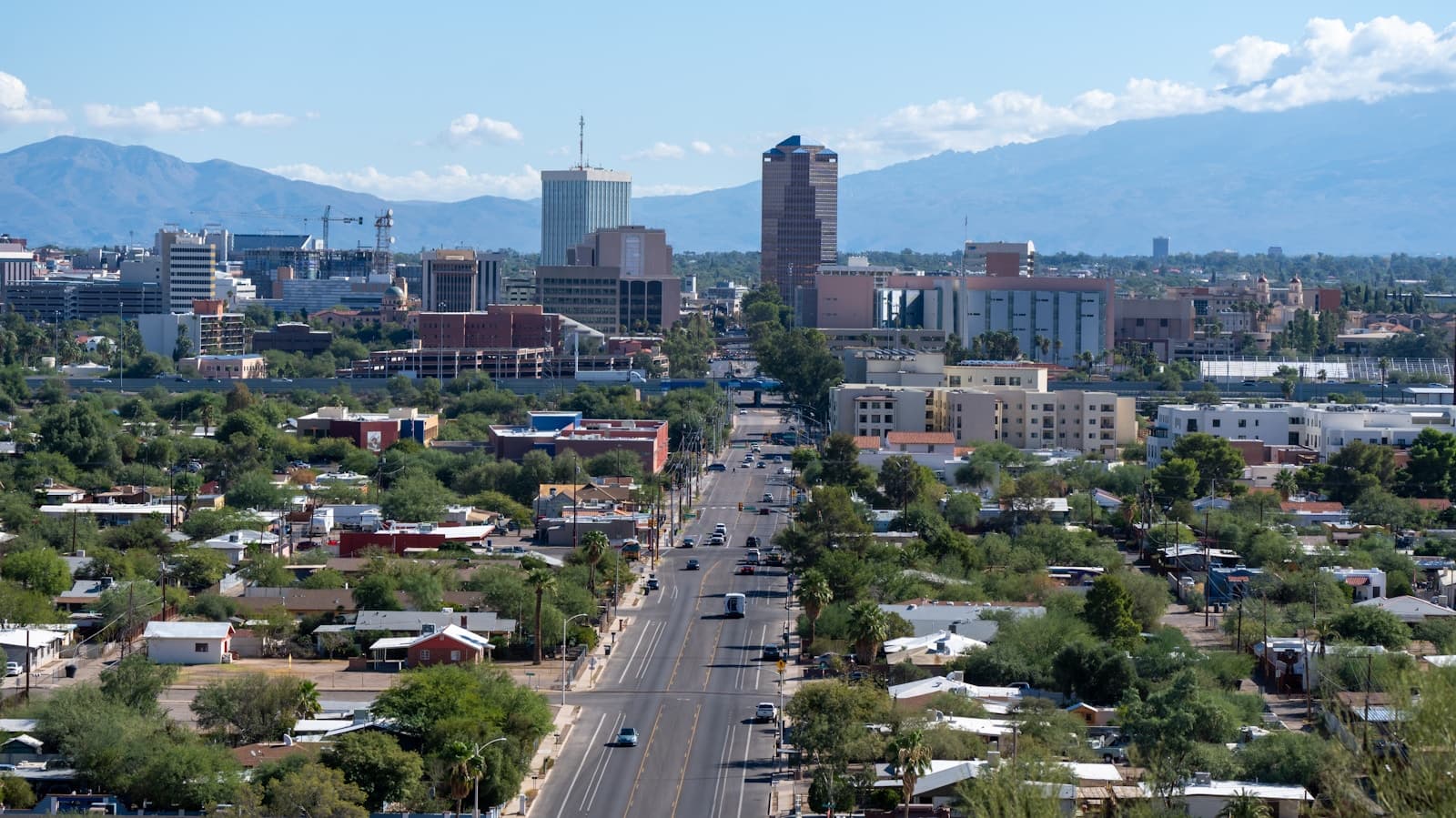
- Phoenix, Tucson, and Mesa show the highest collision frequency in Arizona, adding $20–$40/month to premiums compared to rural counties like Cochise or Greenlee.
- Policy payment plan affects cost—monthly installments add 10–18% annually compared to paid-in-full six-month terms, but suspended drivers rarely qualify for pay-in-full discounts.
Compare car insurance rates in your state
Get quotes from licensed carriers — no obligation, no spam, results in minutes.
Get Your Free QuoteCoverage Types
SR-22 Insurance
SR-22 is the proof-of-insurance certificate Arizona requires for hardship license eligibility. Your insurer files it with the Arizona MVD and must maintain it continuously for 36 months.
Non-Owner SR-22
Non-owner SR-22 provides liability coverage and SR-22 filing when you don't own a vehicle. Common for suspended drivers who lost their car or rely on employer vehicles during hardship license period.
Hardship License Insurance
Hardship license insurance combines SR-22 filing with restricted coverage that matches Arizona's approved-purpose requirements: work, medical, school, and court obligations only.
Uninsured Motorist Coverage
Uninsured motorist coverage pays your medical bills and lost wages when you're hit by a driver with no insurance or insufficient limits to cover your injuries.
Liability Insurance
Liability insurance covers injuries and property damage you cause to others. Arizona requires 25/50/15 minimum limits, but those limits disappear instantly in any multi-vehicle or injury accident.
Non-Standard Auto Insurance
Non-standard auto insurance is written by carriers that specialize in high-risk drivers: DUI, suspended license, multiple violations, or lapsed coverage history.