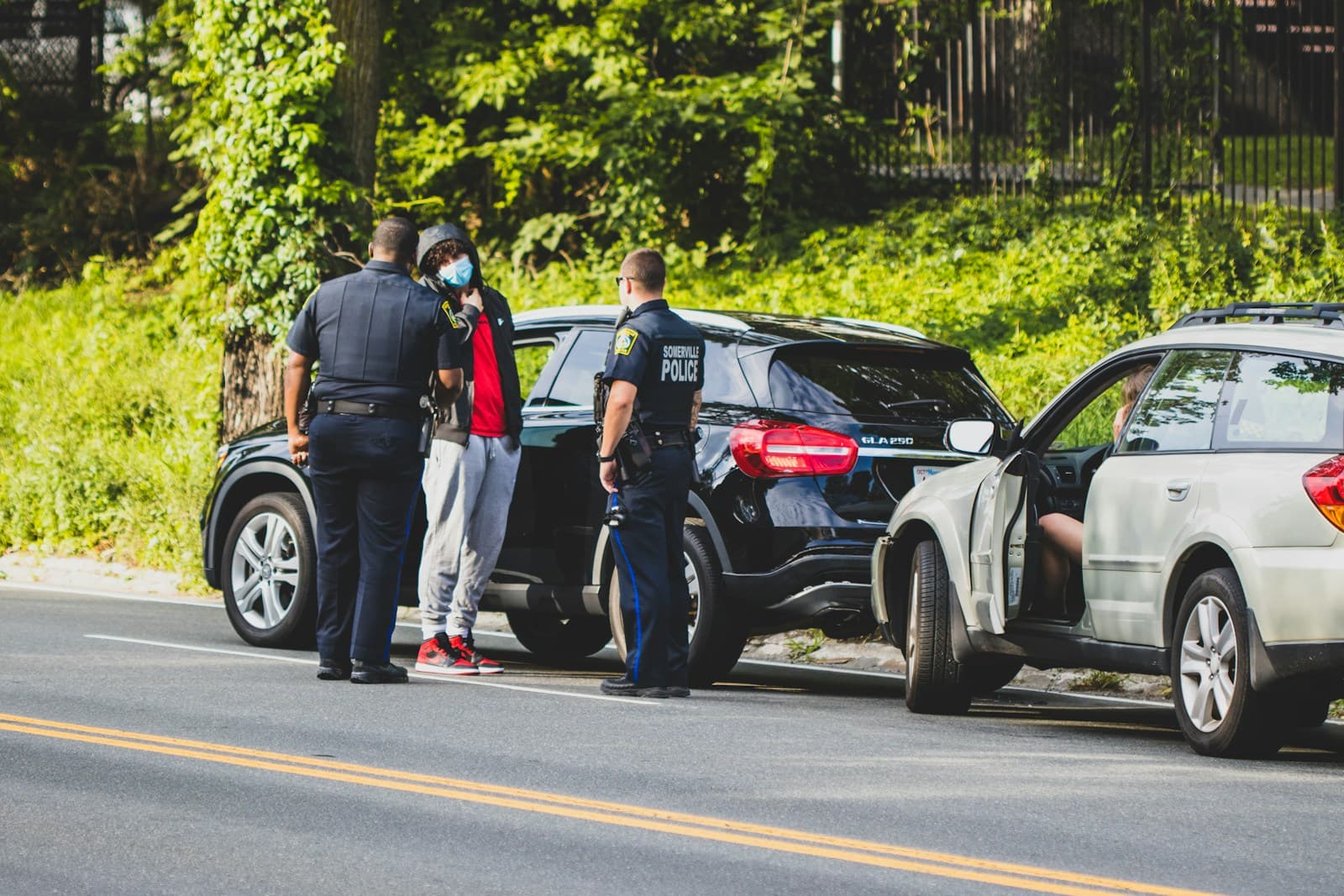
Michigan grants occupational licenses with strict approved-hour windows tied to your work schedule, employer letter, and court order. Driving outside those hours—even by 15 minutes—revokes the license and extends your suspension.
Michigan Occupational License Approved Hours Are Set by Court Order, Not Your Employer
Your employer submits a letter stating when you work, but the court decides which hours appear on your occupational license. Michigan courts typically approve the exact shift times listed in the employer letter plus 1 hour before and after for commute time. If your employer letter says you work Monday through Friday 8 a.m. to 5 p.m., your approved hours will likely read 7 a.m. to 6 p.m. Monday through Friday.
The court may narrow those hours if your suspension stems from multiple DUIs or if the underlying violation occurred during off-work hours. Judges in Wayne, Oakland, and Macomb counties routinely deny weekend hours unless your employer letter documents Saturday or Sunday shifts. Weekend hours are not assumed, even for retail or service industry jobs with rotating schedules.
Your SR-22 filing remains active during the entire occupational license period, and your carrier receives notice of approved hours from the Secretary of State. Driving outside those hours is treated as driving on a suspended license, which voids your SR-22 coverage retroactively and adds a new violation to your record.
Weekend Driving Requires a Separate Court-Approved Purpose Beyond Work
Michigan occupational licenses cover work commute, work-related errands during shift hours, and travel to court-ordered programs like alcohol treatment. Weekend driving is allowed only if your employer letter documents weekend shifts or if the court approves a second purpose category, typically medical appointments or childcare.
Medical appointments must be documented with a letter from the provider stating appointment frequency and typical scheduling windows. The court adds those hours to your license as a separate approved block—usually 2 to 4 hours per week. Childcare hours require documentation from the school or daycare showing drop-off and pick-up times.
Grocery shopping, errands, and social activities are not approved purposes under Michigan law. Driving to a grocery store on Saturday, even if it's on your normal work route, is a violation. Most occupational license revocations in Michigan stem from weekend stops unrelated to the approved purposes listed on the court order.
Compare car insurance rates in your state
Get quotes from licensed carriers — no obligation, no spam, results in minutes.
Get Your Free Quote✓ No Obligation Required✓ Licensed Carriers Only✓ Available Nationwide✓ Free to Compare
Approved Route Restrictions Apply Only in Repeat Offense Cases
Michigan does not impose specific route restrictions on first-offense occupational licenses. You are allowed to take any reasonable route between home, work, and approved secondary locations during approved hours. The court defines "reasonable" as the most direct path or common alternate routes accounting for traffic.
Second and third DUI offenders often receive occupational licenses with court-ordered route maps attached to the license document. These maps list specific roads or highways you must use. Deviating from the mapped route—even to avoid construction or an accident—is a technical violation, though enforcement depends on whether you're stopped and the officer reviews your occupational license conditions.
If your license includes route restrictions, your SR-22 carrier is notified but does not track your location. Route enforcement comes from traffic stops or sobriety checkpoints, where officers compare your current location against the court-approved map. Ignition interlock devices required for most Michigan occupational licenses do not log GPS data unless the court orders GPS monitoring as a separate condition.
Driving Outside Approved Hours Revokes Your License and Extends Your Suspension
Michigan treats occupational license violations as mandatory license revocations under MCL 257.904. If you're stopped outside approved hours, the officer confiscates your occupational license on the spot, and the Secretary of State mails a revocation notice within 10 days. Your underlying suspension period restarts from the revocation date, not the original suspension date.
The revocation adds a new violation to your driving record, which triggers an SR-22 rate increase from your carrier. Most non-standard carriers writing Michigan occupational license policies raise premiums 20% to 40% after a revocation. Some carriers cancel the policy entirely and notify the Secretary of State, which adds a second violation for driving without insurance.
You cannot reapply for a new occupational license for 90 days after a revocation in most Michigan counties. Wayne County requires a 180-day waiting period for second revocations. During that period, you have no legal driving privilege, and most employers do not hold positions open for 3 to 6 months.
Employer Letter Updates Require a New Court Hearing to Change Approved Hours
If your work schedule changes after the court grants your occupational license, you cannot update approved hours by submitting a new employer letter to the Secretary of State. Michigan requires a motion to modify filed with the court that issued the original occupational license order.
The motion must include an updated employer letter on company letterhead, signed by a supervisor or HR representative, documenting the new shift times and the reason for the change. Courts typically grant modifications for involuntary schedule changes—shift reassignments, new job starts, or layoffs requiring a job change—but deny modifications for voluntary schedule preferences.
The modification hearing takes 2 to 4 weeks to schedule in most Michigan courts. Your approved hours do not change until the judge signs the modified order and the Secretary of State updates your license record. Driving under the new schedule before the court approves the modification is treated as driving outside approved hours, which triggers the revocation process described above.
SR-22 Filing Must Cover the Entire Occupational License Period
Michigan requires continuous SR-22 filing from the date the court grants your occupational license through the end of your underlying suspension period. Most Michigan DUI suspensions require 1 to 3 years of SR-22 filing depending on offense count and BAC level at arrest.
Your SR-22 carrier files electronically with the Secretary of State, and any lapse longer than 24 hours triggers automatic occupational license revocation. The Secretary of State does not send a warning—your license is revoked the day after the lapse, and you receive a mailed notice 7 to 10 days later.
Non-standard carriers writing Michigan occupational license SR-22 policies include Direct Auto, Dairyland, GAINSCO, Bristol West, and The General. Monthly premiums for Michigan occupational license SR-22 policies typically range from $140 to $280 depending on county, violation count, and whether an ignition interlock device is required. Policies require full payment of the first month plus SR-22 filing fee ($25 to $50) before the carrier files with the state.