Michigan occupational licenses restrict when and where you can drive. Understanding approved purposes, time windows, and route documentation keeps you compliant and keeps your license active.
What Purposes Qualify for an Occupational License in Michigan
Michigan law limits occupational licenses to six approved purposes: travel to and from work, during work if your job requires driving, to and from court-ordered programs (DUI classes, probation), medical appointments for yourself or immediate family, childcare pickup and dropoff, and attendance at an alcohol treatment program. Every other purpose is prohibited.
You must list each approved route on your initial application using the Secretary of State's route affidavit form. Your employer must sign confirming your work address and shift hours. Medical providers must sign confirming appointment schedules if you claim medical travel. Childcare facilities must provide written confirmation of pickup and dropoff times.
Michigan does not allow grocery shopping, errands, social visits, or recreational driving under an occupational license. If stopped outside approved hours or routes, the officer will verify your restrictions on-site through the Law Enforcement Information Network. Violation results in immediate license revocation and extension of your underlying suspension period.
Approved Hours and How They're Enforced
Michigan occupational licenses specify exact hours you're permitted to drive, calculated from your employer affidavit and court-ordered program schedules. If you work 8 a.m. to 5 p.m. Monday through Friday, your approved hours cover commute windows only — typically 7 a.m. to 6 p.m. on workdays. Weekend driving is prohibited unless your employer documents weekend shifts.
The Secretary of State adds a 30-minute buffer before and after each approved activity. A 9 a.m. medical appointment allows travel from 8:30 a.m. to 10 a.m., assuming a 1-hour appointment duration. You cannot extend that window to run errands afterward.
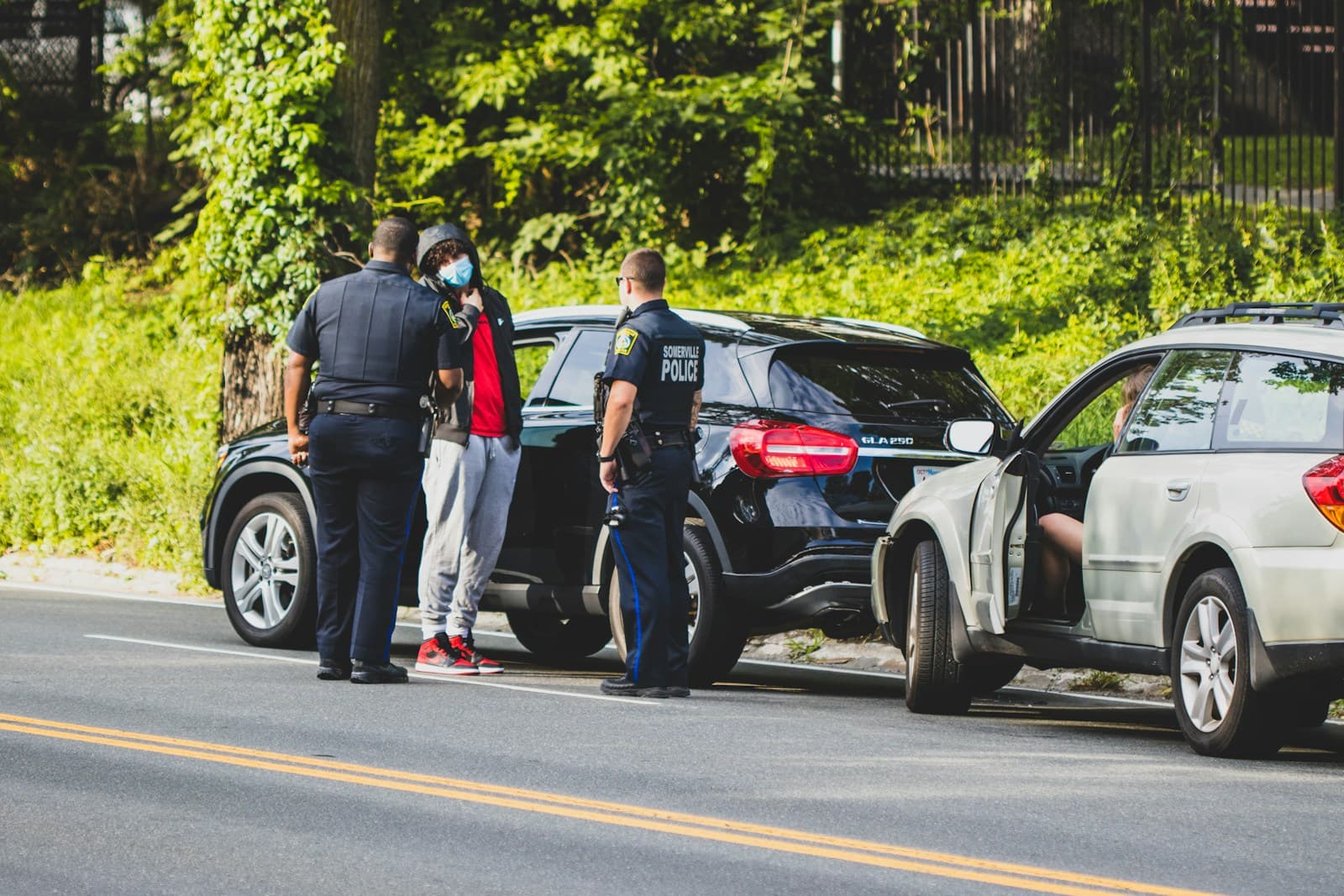
Law enforcement checks approved hours during every traffic stop. If you're driving outside your documented windows — even by 15 minutes — the stop becomes a violation. Michigan treats occupational license violations as willful contempt of court restrictions. Most judges revoke on first offense and add 90 to 180 days to your original suspension.
Compare car insurance rates in your state
Get quotes from licensed carriers — no obligation, no spam, results in minutes.
Get Your Free Quote✓ No Obligation Required✓ Licensed Carriers Only✓ Available Nationwide✓ Free to Compare
Route Restrictions and Documentation Requirements
Michigan requires you to document the specific route between each approved location. Your employer affidavit must state your home address, work address, and whether your job requires mid-shift driving to client sites or job locations. The Secretary of State maps these addresses and approves a direct route between them.
If your job requires driving to multiple locations — construction sites, client offices, delivery stops — your employer must provide a route sheet listing every regular destination. Michigan allows reasonable deviation for road closures, accidents, or weather, but you carry the burden of proof. Officers recommend keeping timestamped photos or a written log if you deviate.
Childcare and medical routes work the same way. You list the childcare facility address and appointment clinic addresses on your application. Michigan approves point-to-point travel only. Stopping at a gas station or drive-through between work and home violates your route restriction unless the stop is directly on your approved path and adds no more than 5 minutes to your commute.
Work-Related Driving vs Personal Errands During Work Hours
Michigan distinguishes between driving during work and driving for work. If your job requires a vehicle — delivery driver, home health aide, sales rep, contractor — your occupational license covers all driving performed as part of your job duties during your approved shift hours. Your employer must document this on the occupational license employer affidavit.
Driving during your lunch break for personal errands is prohibited even if it occurs during approved work hours. Michigan treats lunch-break errands as personal use. Officers have revoked occupational licenses for drivers stopped at restaurants or retail stores during their shift unless the stop was a documented work task.
If your job does not require driving — office worker, retail clerk, warehouse employee — your occupational license covers commute only. You cannot drive during your shift for any reason. Leaving work mid-shift to pick up a sick child requires pre-approved childcare language on your original application. Without it, the stop is a violation.
How Michigan Tracks Compliance and Catches Violations
Every Michigan occupational license is flagged in the Law Enforcement Information Network. When an officer runs your license plate or driver's license number, your restrictions populate immediately. The system shows your approved hours, approved purposes, and a notation that you're driving under court order.
Officers compare your current location and time against your documented routes and hours. If you're stopped 10 miles from your approved commute route at 9 p.m. on a Saturday, the violation is automatic. The officer files a report with the court that issued your occupational license. Most courts schedule a show-cause hearing within 14 days.
Michigan also cross-checks employer affidavits against unemployment insurance records, workers' compensation filings, and previous violation reports. If you claimed a full-time job on your application but your employer reports you as part-time or terminated, the Secretary of State revokes your occupational license administratively. You receive a notice in the mail — no hearing, no appeal window until after revocation.
SR-22 Filing and Insurance Requirements for Occupational Licenses
Michigan requires SR-22 filing for all occupational license holders. Your insurance carrier must file an SR-22 certificate with the Secretary of State before your occupational license is issued. The SR-22 remains active for the full duration of your underlying suspension — typically 1 to 5 years depending on violation type.
Most Michigan occupational license holders pay $140 to $220 per month for SR-22 insurance if they have a DUI or multiple moving violations. Non-standard carriers — Dairyland, GAINSCO, Bristol West, Direct Auto — write most occupational license policies because standard carriers decline drivers with active suspensions. The SR-22 filing fee is $25 to $50 depending on carrier.
If your SR-22 lapses for any reason — missed payment, policy cancellation, carrier non-renewal — your occupational license is revoked the same day the Secretary of State receives the lapse notification. You cannot reinstate your occupational license until you file a new SR-22 and pay a $125 reinstatement fee. The lapse also restarts your SR-22 clock to zero in most cases.
What Happens If You Violate Your Occupational License Restrictions
Michigan treats occupational license violations as driving while license suspended — a criminal misdemeanor carrying up to 93 days in jail and a $500 fine. The court that issued your occupational license also revokes it immediately and typically adds 90 to 180 days to your original suspension.
You lose credit for time already served under the occupational license. If you drove legally for 8 months under a 1-year suspension and then violated your restrictions, you start over with a new suspension period — often longer than the original. Michigan does not allow a second occupational license for the same suspension period.
Violations also affect your SR-22 insurance. Carriers treat an occupational license violation as a new driving-under-suspension event. Most non-standard carriers non-renew your policy at the next renewal period, forcing you to find a new carrier at higher rates. Expect premiums to increase 40% to 80% after a violation.