California DMV suspended your license for driving without insurance. Here's the restricted license path, SR-22 filing requirements, and the lapse timeline that determines when you can apply.
The 10-Day SR-22 Filing Window California Doesn't Advertise
California DMV suspends your license immediately when you're caught driving without insurance, but eligibility for a restricted license hinges on a 10-day deadline most suspension notices don't emphasize. If you file SR-22 proof of insurance within 10 days of receiving the suspension notice, you can apply for a restricted license as soon as the SR-22 processes. Miss that 10-day window, and California imposes a mandatory 30-day suspension before you can apply for any restricted privilege.
The distinction matters because most drivers receive the suspension notice in the mail 5-7 days after the traffic stop, leaving 3-5 days to find a carrier willing to write SR-22, pay the premium, and confirm the filing reaches DMV. Standard mail processing adds another 2-4 days. Electronic SR-22 filing through a non-standard carrier cuts that lag to 24-48 hours, which is why carriers like Bristol West, Dairyland, and GAINSCO dominate this market.
If you're past the 10-day mark, the 30-day suspension runs from your original suspension date, not from when you eventually file SR-22. You cannot shorten it by filing late. The only path is to wait out the 30 days, maintain SR-22 coverage continuously, then apply for the restricted license on day 31.
What California's Restricted License Actually Allows After an Insurance Lapse
California calls it a restricted license, not a hardship or work permit, and it authorizes driving to and from work, during work if your job requires it, and to court-ordered programs including DUI classes if your suspension stacks multiple violations. Medical appointments and childcare are excluded unless you petition DMV with documentation proving no alternative transportation exists.
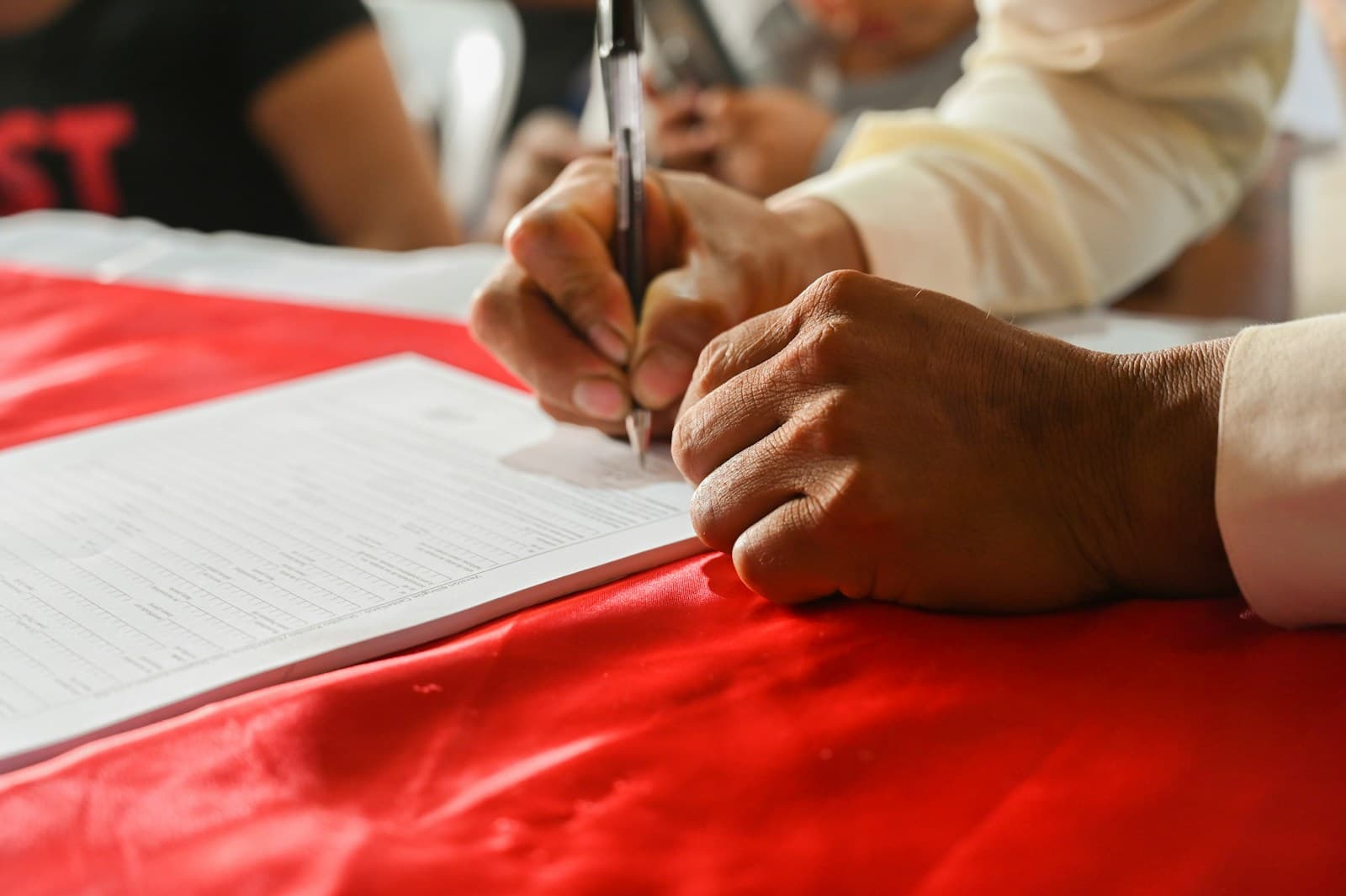
The license restricts you to approved hours and approved routes. Your employer must submit a signed statement on company letterhead confirming your work address, shift hours, and job duties requiring driving. If your job involves driving (delivery, sales, service calls), the statement must specify that. DMV reviews the employer documentation during your restricted license application and can reject vague or incomplete statements, restarting your application timeline.
Violating the restrictions — driving outside approved hours, detouring for personal errands, or driving without valid SR-22 on file — triggers an immediate suspension of the restricted license and extends your underlying suspension period by 6-12 months depending on the violation. California treats restricted license violations as proof you cannot comply with conditional privileges.
Compare car insurance rates in your state
Get quotes from licensed carriers — no obligation, no spam, results in minutes.
Get Your Free Quote✓ No Obligation Required✓ Licensed Carriers Only✓ Available Nationwide✓ Free to Compare
The SR-22 Requirement and 3-Year Filing Duration
California requires SR-22 filing for 3 years after a driving-without-insurance suspension, measured from the date you file SR-22, not from the suspension date. If you delay filing SR-22 for 60 days after suspension, your 3-year clock starts 60 days late. The filing must remain active and continuous for the full 36 months. A single lapse — even one day — resets the clock to zero and triggers a new suspension.
SR-22 is not insurance. It's a liability certificate your carrier files electronically with California DMV confirming you carry at least the state minimum coverage: $15,000 bodily injury per person, $30,000 per accident, and $5,000 property damage. If you cancel your policy, switch carriers without coordinating SR-22 transfer, or miss a premium payment, your carrier notifies DMV within 24 hours and your license suspends automatically.
Carriers writing SR-22 after an uninsured-driver violation typically quote $140-$220/month for minimum liability, compared to $80-$120/month for clean-record drivers in California. The premium reflects underwriting risk: you've already demonstrated willingness to drive uninsured, which places you in the high-risk non-standard market. Expect to stay there for the full 3-year SR-22 period.
The Restricted License Application Process and Cost Stack
Apply for a California restricted license in person at a DMV field office after your SR-22 filing processes and your 10-day or 30-day eligibility period ends. Bring your employer's signed statement, proof of SR-22 filing (either the certificate from your carrier or DMV confirmation that the electronic filing posted), your suspended license, and payment for the $125 reissue fee. DMV does not accept the application by mail for insurance-related suspensions.
The application review takes 2-4 weeks. During that period, you cannot drive legally even if your SR-22 is active. DMV reviews your employer documentation, confirms your SR-22 filing is current, and checks for additional suspensions or holds on your record. If your suspension stacks a DUI, unpaid tickets, or child support delinquency, DMV will deny the restricted license until you clear all holds.
Total first-month cost typically runs $800-$1,200: $125 DMV reissue fee, $100-$175 reinstatement fee if your suspension exceeded 30 days, $140-$220 for the first month's SR-22 premium, and $55 administrative fee some carriers charge for SR-22 filing. Budget another $140-$220/month for SR-22 insurance for the next 36 months. Switching to a standard carrier before the 3-year period ends will lapse your SR-22 and restart your suspension.
Why Most Uninsured-Driver Suspensions Stack Violations in California
California's uninsured-driver suspension rarely occurs in isolation. The traffic stop that revealed no insurance often produces additional citations: driving on a suspended license if your registration lapsed and triggered an automatic suspension, failure to provide proof of insurance at the scene (a separate infraction under VC 16028), or equipment violations that prompted the stop. Each citation adds DMV points, extends your overall suspension period, and narrows your carrier options.
If the stop occurred after an at-fault accident while uninsured, California adds a 4-year SR-22 requirement instead of 3 years and may require a $35,000 cash deposit or bond before reinstating any driving privilege. The restricted license application will be denied until you post the deposit or prove financial responsibility through an SR-22 policy carrying higher-than-minimum limits, typically $50,000/$100,000/$25,000.
Drivers who accumulated 4+ points in 12 months before the uninsured-driver violation face negligent-operator treatment, which blocks restricted license eligibility entirely until the point balance drops below the threshold. California counts 1 point for most moving violations and 2 points for at-fault accidents. The uninsured-driver citation itself carries 1 point, so if you entered the stop with 3 points already, you're over the negligent-operator limit and ineligible for restricted privileges for 6-18 months.
The Non-Owner SR-22 Path If You Don't Own a Vehicle
California allows non-owner SR-22 policies if you don't own a vehicle but need to satisfy the SR-22 filing requirement to lift your suspension or obtain a restricted license. Non-owner SR-22 covers liability when you drive a borrowed or rented vehicle but provides no coverage for a car you own, lease, or regularly use. Premiums run $50-$90/month, roughly half the cost of owner SR-22 policies.
The coverage is portable across vehicles, which makes it the correct choice for drivers who lost their car to repossession, sold it after the suspension, or rely on employer-provided vehicles for work. Your employer's commercial auto policy covers the vehicle; your non-owner SR-22 satisfies California's proof-of-financial-responsibility requirement. DMV does not distinguish between owner and non-owner SR-22 filings when processing restricted license applications.
If you purchase a vehicle during the 3-year SR-22 period, you must notify your carrier immediately and convert to an owner SR-22 policy listing the vehicle. Driving a vehicle you own on a non-owner policy voids the coverage, triggers an SR-22 lapse, and suspends your license again. Carriers discover the vehicle through DMV registration cross-checks, usually within 30-60 days of purchase.