Your hardship license hearing in West Virginia decides whether you drive to work or lose your job. The judge wants proof your employer needs you there, an SR-22 on file, and evidence you've completed your safety program.
Your SR-22 Filing Must Be Live Before the Hearing Date
West Virginia circuit judges reviewing hardship license petitions verify SR-22 compliance before they consider employer documentation. Your insurance carrier must have already transmitted the SR-22 filing to the DMV, and the DMV database must reflect active coverage on the day of your hearing. Filing the SR-22 the morning of your hearing is too late — transmission and database updates typically take 2-4 business days.
Call the WV DMV Driver Services at 304-558-3900 and confirm your SR-22 shows as active in their system at least 3 business days before your hearing. If the filing is missing or shows as pending, your petition will be denied on procedural grounds before the judge reviews the merits. The court does not grant continuances for missing SR-22 filings.
Non-standard carriers write most hardship-license SR-22 policies in West Virginia: Bristol West, Dairyland, GAINSCO, Direct Auto, Kemper, and Safe Auto. Monthly premiums for SR-22 coverage post-DUI or post-suspension typically run $120-$240/mo depending on violation severity and county. Expect a 6-month policy minimum, paid in full or financed through the carrier.
Employer Documentation Must Be Notarized and Specify Exact Hours
The circuit judge applies a statutory test codified in West Virginia Code §17B-2-3a. Factor one under that test is whether denial of the hardship license would cause you extreme hardship — and the primary evidence of hardship is employer documentation proving you need to drive to keep your job. Generic employer letters fail.
Your employer's letter must include: (1) your full legal name and job title, (2) the business's legal name, address, and federal EIN, (3) your exact work schedule including days of the week and start/end times, (4) a statement that your position requires you to drive to work and that no public transit, carpool, or alternative transportation is available, (5) a statement that you will be terminated or suffer material job loss if you cannot drive, (6) the manager's printed name, title, and direct contact phone number, and (7) a notarized signature. Courts in Kanawha, Cabell, and Berkeley counties have denied petitions where the employer letter lacked notarization or failed to state exact hours.
Bring the original notarized letter to the hearing. The judge may contact your employer during the hearing to verify the letter's authenticity. Employer fraud or exaggerated claims of hardship result in immediate denial and can trigger contempt proceedings.
Compare car insurance rates in your state
Get quotes from licensed carriers — no obligation, no spam, results in minutes.
Get Your Free Quote✓ No Obligation Required✓ Licensed Carriers Only✓ Available Nationwide✓ Free to Compare
Complete Your Alcohol/Drug Safety Program Before Filing
West Virginia requires DUI offenders to complete a state-approved Alcohol and/or Drug Safety Program before eligibility for a hardship license. The completion certificate must be submitted with your hardship petition. If you file your petition before program completion, the circuit clerk will reject the filing and your hearing date will be delayed by 30-60 days.
The program consists of 8-16 hours of classroom instruction depending on BAC level and prior violations. Programs are offered through county health departments and private providers approved by the WV Bureau for Behavioral Health. Cost ranges from $150-$350. Completion takes 2-4 weeks if you attend all sessions without absence.
Bring the original program completion certificate to your hearing. The judge reviews the certificate for authenticity and may verify completion with the program provider if the certificate appears altered or if the provider's name does not appear on the state-approved list.
The 5-Factor Test Judges Use to Approve or Deny
West Virginia Code §17B-2-3a gives circuit judges discretion to grant a hardship license if five statutory factors are satisfied. The judge must find: (1) denial would cause you extreme hardship, (2) you have a demonstrated need to operate a vehicle, (3) you have completed all required safety programs, (4) you have complied with all court orders and DMV requirements including SR-22 filing, and (5) granting the license would not endanger public safety.
Factor five — public safety — is where DUI petitions most often fail. The judge reviews your BAC at arrest, the presence of any accident or injury, prior DUI or reckless driving convictions, and compliance with any ignition interlock device (IID) order. A BAC above 0.15, a DUI with injury, or a second DUI within 10 years creates a presumption against granting the hardship license. You must overcome that presumption with evidence of rehabilitation: completion of inpatient treatment, participation in AA or similar support groups, clean drug/alcohol screens, and employer or family testimony about changed behavior.
Judges in West Virginia grant hardship licenses in approximately 60-70% of first-offense DUI petitions where the applicant brings complete documentation and demonstrates job-loss risk. Second-offense and refusal cases have approval rates closer to 30-40%. Third-offense petitions are rarely granted except in cases involving sole-caregiver responsibilities for dependent children or elderly parents.
Ignition Interlock Is Mandatory for DUI Hardship Licenses
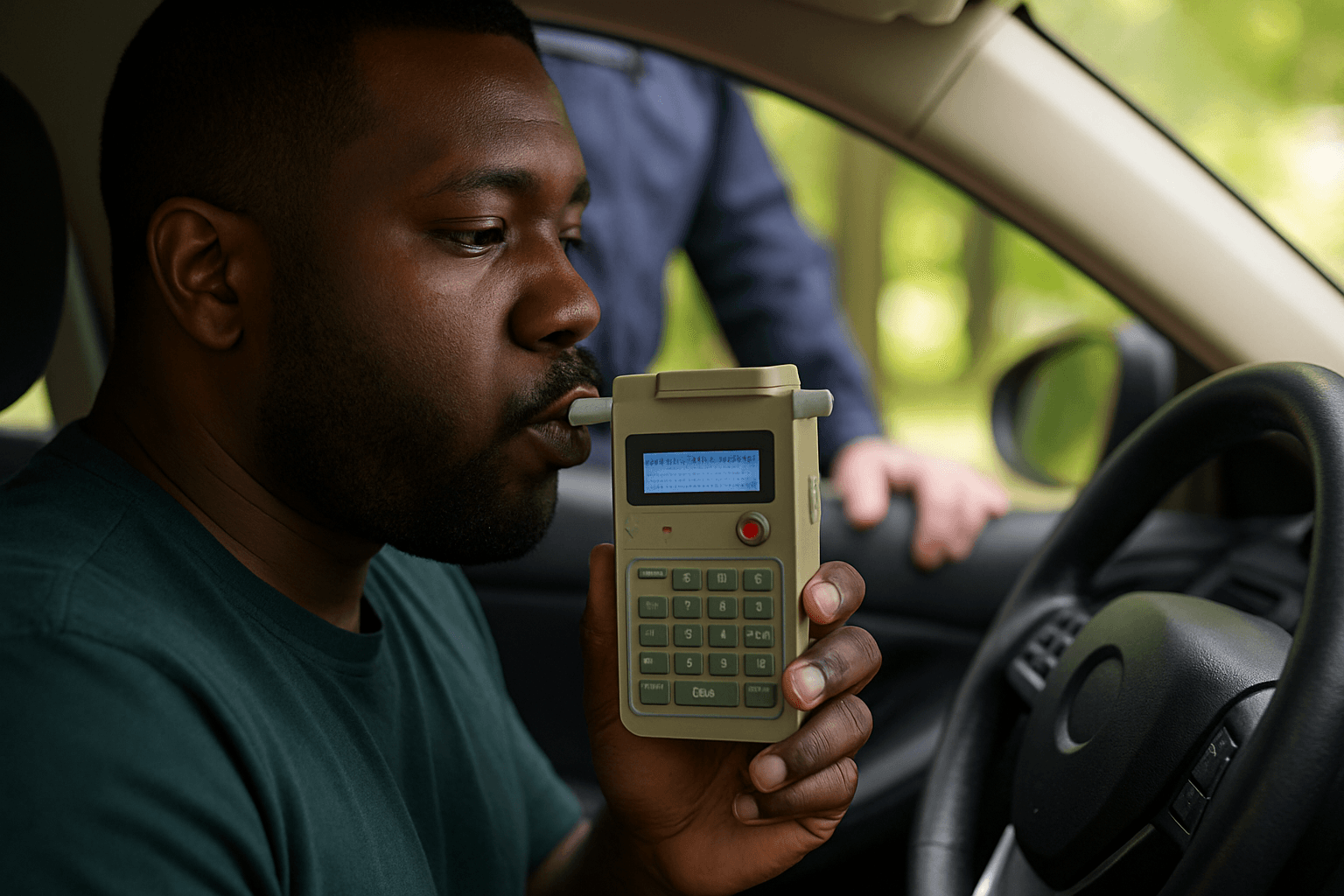
If your hardship license is granted for a DUI-related suspension, the court will order installation of an ignition interlock device as a condition of the restricted privilege. West Virginia law mandates IID for all DUI hardship licenses regardless of BAC level or prior record. The device must be installed by a state-approved provider before you begin driving under the hardship license.
Approved IID providers in West Virginia include Intoxalock, LifeSafer, Smart Start, and Guardian Interlock. Installation costs $75-$150, with monthly monitoring and calibration fees of $70-$100. You pay all IID costs — the court does not waive fees for hardship cases. Budget an additional $900-$1,300 annually for IID expenses on top of your SR-22 premium increase.
Violating IID restrictions — attempting to start the vehicle after a failed breath test, missing a calibration appointment, or tampering with the device — results in immediate hardship license revocation and extension of your underlying suspension period. IID violations also trigger new criminal charges under West Virginia Code §17C-5A-3a.
Hardship License Restrictions and Violation Consequences
West Virginia hardship licenses restrict driving to approved purposes and approved hours. The typical grant allows driving to and from work, to and from your residence, to medical appointments for yourself or dependent family members, and to court-ordered programs including DUI safety courses and IID calibration appointments. The court order specifies exact hours — typically 6:00 AM to 10:00 PM on workdays, with weekend driving prohibited unless your employer letter documents weekend shifts.
Driving outside approved hours, driving for unapproved purposes, or driving without valid SR-22 coverage revokes your hardship license immediately. Law enforcement can verify hardship license restrictions in real time through the WV DMV database. A traffic stop outside your approved hours results in arrest for driving on a suspended license under West Virginia Code §17B-2-9, which carries up to 6 months in jail and an additional 6-month license suspension stacked on top of your original suspension period.
Your hardship license is valid for the duration of your underlying suspension period, which is 6 months for a first-offense DUI, 10 years for a second offense, and lifetime revocation for a third offense. You must maintain continuous SR-22 coverage and IID compliance for the entire hardship period. Any lapse in SR-22 coverage — even one day — resets your filing requirement to zero and revokes your hardship privilege.
Cost Stack and Timeline for WV Hardship License Approval
Total upfront cost to obtain a hardship license in West Virginia typically runs $2,100-$3,400 depending on carrier, IID provider, and whether you hire an attorney. The cost stack includes: circuit court filing fee ($100-$150 depending on county), DUI safety program ($150-$350), SR-22 insurance premium increase ($700-$1,500 for 6 months of coverage), IID installation ($75-$150), first month IID monitoring ($70-$100), DMV reinstatement fee ($95 after hardship period ends), and attorney fees if you retain counsel ($800-$1,500 for petition preparation and hearing representation).
Timeline from suspension to hardship approval: 45-90 days. You must wait 30 days after your DUI conviction or administrative license suspension before filing a hardship petition in most counties. Add 2-4 weeks for DUI safety program completion, 2-3 weeks for the circuit clerk to schedule your hearing after petition filing, and 3-5 business days after hearing for the court order to be transmitted to DMV and reflected in their database. Expedited hearings are not available except in cases involving imminent job termination with written employer notice of a termination deadline.
If your petition is denied, you may refile after 90 days with new evidence addressing the deficiencies identified by the judge in the denial order. Most denials result from incomplete employer documentation, missing SR-22 filing, or failure to complete the safety program — all fixable deficiencies. Denials based on public safety concerns are harder to overcome and typically require completion of inpatient treatment or 6+ months of documented sobriety before refiling.