Richmond County Superior Court controls hardship license hearings in Augusta. The process differs from DMV administrative options, requires an attorney in most cases, and has specific documentation requirements that determine approval.
Richmond County Superior Court Controls Hardship Hearings in Augusta
Richmond County Superior Court has exclusive jurisdiction over hardship license hearings in Augusta. You cannot apply through the Georgia Department of Driver Services for a hardship permit if your suspension originated from a DUI conviction in Richmond County — the court that issued your suspension must approve your restricted driving privilege.
The filing fee runs $250-$350 depending on your case type, paid to the Superior Court Clerk's office at 735 James Brown Boulevard. You'll need certified copies of your suspension order, proof of SR-22 filing, employer verification on company letterhead, and proof of ignition interlock device installation if your DUI involved a BAC over 0.08. Missing any document results in automatic continuance, adding 30-45 days to your timeline.
Richmond County processes roughly 180 hardship petitions annually with a 62% approval rate as of 2023 court data. The other 38% fail on insufficient employer documentation or incomplete IID installation proof. Most approved petitions involve representation by a local DUI attorney familiar with the specific judges rotating through Superior Court traffic dockets.
How Richmond County Hardship Hearings Differ from Standard Georgia Limited Permits
Georgia offers two paths to restricted driving after suspension: DDS-issued limited driving permits for certain administrative suspensions, and court-ordered hardship licenses for DUI and criminal suspensions. Richmond County falls under the court-ordered category for most violations that would bring you to a hearing.
DDS limited permits are available 30 days after an administrative license suspension for refusal to submit to a breathalyzer or failing a roadside test. These don't require a court hearing — you file Form DDS-122 directly with the Department of Driver Services, pay a $25 processing fee, and receive approval within 10 business days if your SR-22 is active.
Hardship licenses through Superior Court require a formal petition, a hearing before a judge, and proof of extreme hardship — typically job loss or inability to meet medical needs. The burden of proof is substantially higher. You must demonstrate that no alternative transportation exists and that losing your driving privilege creates undue hardship beyond normal inconvenience. Richmond County judges apply this standard strictly. A 15-minute Uber commute does not qualify. A 45-minute rural commute with no public transit and shift work that starts at 5 AM does.
Compare car insurance rates in your state
Get quotes from licensed carriers — no obligation, no spam, results in minutes.
Get Your Free Quote✓ No Obligation Required✓ Licensed Carriers Only✓ Available Nationwide✓ Free to Compare
What Documentation Richmond County Requires for Approval
Richmond County Superior Court requires employer verification on company letterhead signed by a manager or HR representative. The letter must state your job title, work address, shift hours, and a statement that no alternative transportation or schedule adjustment is available. Template letters or letters signed by coworkers are rejected.
You'll need proof of SR-22 insurance filing with a policy effective date at least 10 days before your hearing. Georgia requires SR-22 for the entire restricted license period plus two years beyond your full reinstatement. Expect to pay $45-$85 per month for SR-22 liability coverage through non-standard carriers like The General, Acceptance, or Direct Auto.
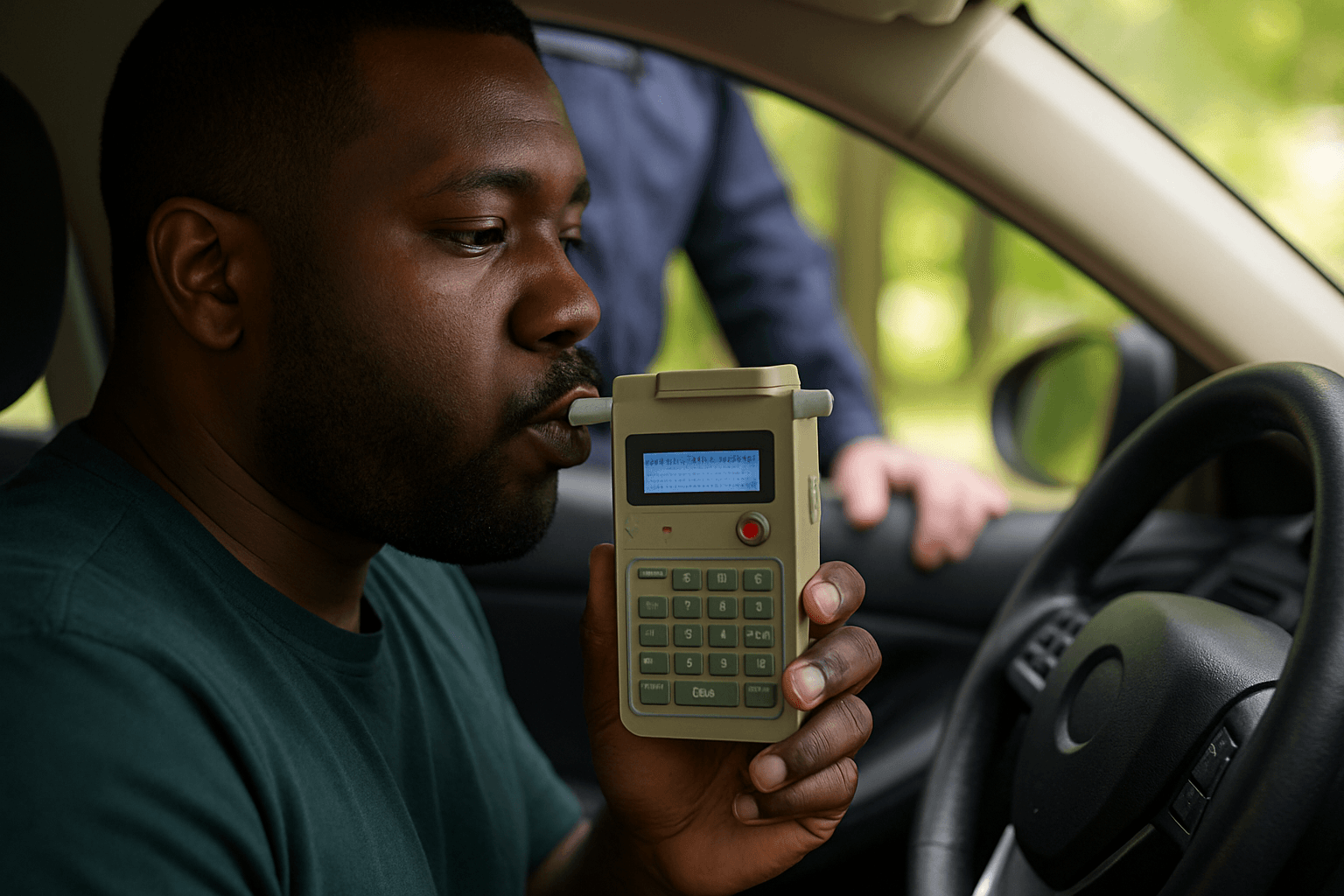
If your DUI involved a BAC of 0.08 or higher, Georgia law mandates ignition interlock device installation before any restricted license is granted. You must provide a certificate of installation from a state-certified IID provider — LifeSafer and Intoxalock operate in Augusta — along with proof of monthly monitoring payments. IID costs run $75-$100 for installation and $65-$90 per month for monitoring and calibration.
Timeline from Petition to Hearing and Expected Wait for Approval
Richmond County Superior Court schedules hardship hearings 45-60 days after petition filing. Traffic court dockets rotate between three judges, and hearing dates depend on which judge is assigned your case and their current caseload. You cannot expedite this timeline.
The hearing itself lasts 10-15 minutes if your documentation is complete. The judge reviews your petition, asks direct questions about your employment situation and transportation alternatives, and issues a ruling from the bench or within 5 business days. Approved hardship licenses are typically valid for 12 months with renewal contingent on violation-free driving and continuous SR-22 coverage.
If denied, you can refile after 30 days with corrected documentation or additional hardship evidence. Most denials stem from insufficient employer verification or failure to demonstrate genuine hardship rather than the underlying DUI severity. A second petition with stronger documentation has roughly the same approval odds as a first filing.
Approved Driving Hours and Route Restrictions Under Richmond County Orders
Richmond County hardship licenses restrict you to driving for employment purposes only during your stated work hours plus one hour before and after your shift for commute time. If your shift is 9 AM to 5 PM, your approved driving window is 8 AM to 6 PM, work address to home address via the most direct route.
Some judges approve additional purposes — medical appointments, court-ordered obligations, childcare for dependents under 16 — if you include specific addresses and appointment schedules in your petition. Grocery shopping, errands, and social driving are never approved. Being stopped outside your approved hours or routes results in immediate license revocation and a new charge for driving on a suspended license, a misdemeanor carrying up to 12 months in jail.
You must carry your hardship order, SR-22 insurance card, and employer verification letter in your vehicle at all times. Richmond County Sheriff's deputies and Augusta-Richmond County police will ask for all three documents during any traffic stop. Missing documentation can result in arrest even if you're within your approved driving window.
Cost Stack for a Richmond County Hardship License from Filing to Compliance
Total upfront costs for a Richmond County hardship license run $2,100-$3,500 depending on whether you hire an attorney and whether IID is required. Court filing fees are $250-$350. Attorney fees for petition preparation and hearing representation range from $800-$1,500 for local DUI attorneys familiar with Richmond County Superior Court.
SR-22 insurance costs $45-$85 per month for state-minimum liability coverage through non-standard carriers. You'll need proof of at least two months of coverage before your hearing, adding $90-$170 to upfront costs. Ignition interlock device installation runs $75-$100 with monthly monitoring at $65-$90. If you're required to hold an IID for 12 months, total IID costs reach $855-$1,180.
Georgia charges a $210 reinstatement fee when your full license is restored after your suspension period and hardship license expire. This fee is separate from your hardship license and due before DDS will issue an unrestricted license. Budget for the full cost stack before filing — incomplete compliance resets your timeline and wastes the filing fee.
How a Richmond County Hardship License Violation Affects Your Underlying Suspension
Violating your hardship license terms — driving outside approved hours, driving for non-approved purposes, or driving without SR-22 coverage — results in immediate revocation and a criminal charge for driving on a suspended license under Georgia Code 40-5-121. This is a misdemeanor punishable by 2 days to 12 months in jail and a fine up to $1,000.
Revocation adds 6-12 months to your original suspension period. If you had 8 months remaining on a DUI suspension when your hardship license was revoked, you're now looking at 14-20 months before you're eligible for full reinstatement. The clock does not run concurrently.
You cannot refile for a new hardship license for at least 6 months after revocation in Richmond County. Some judges impose longer bars — up to 24 months — for egregious violations like a new DUI or multiple violations within the hardship period. The safest approach is strict compliance with your approved hours and routes. The restrictions are unforgiving, but the alternative is no legal driving at all.