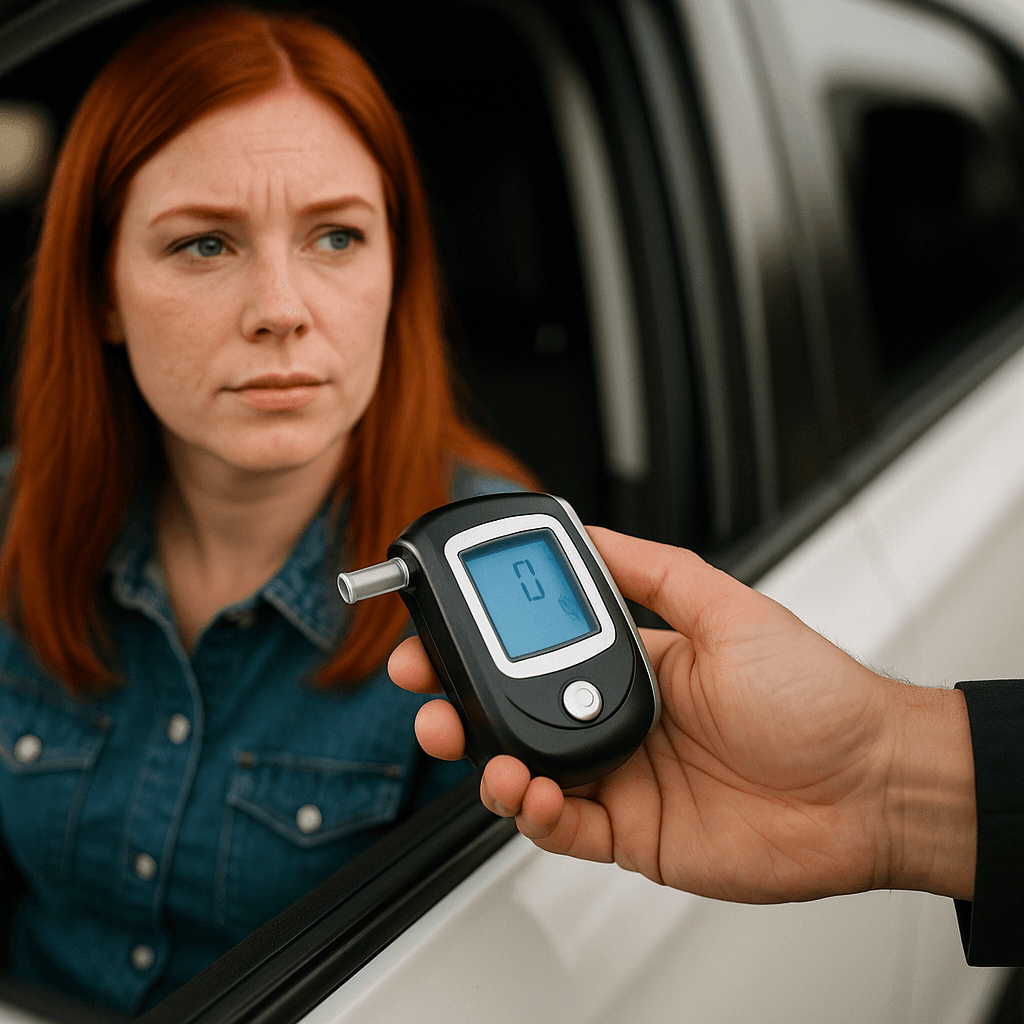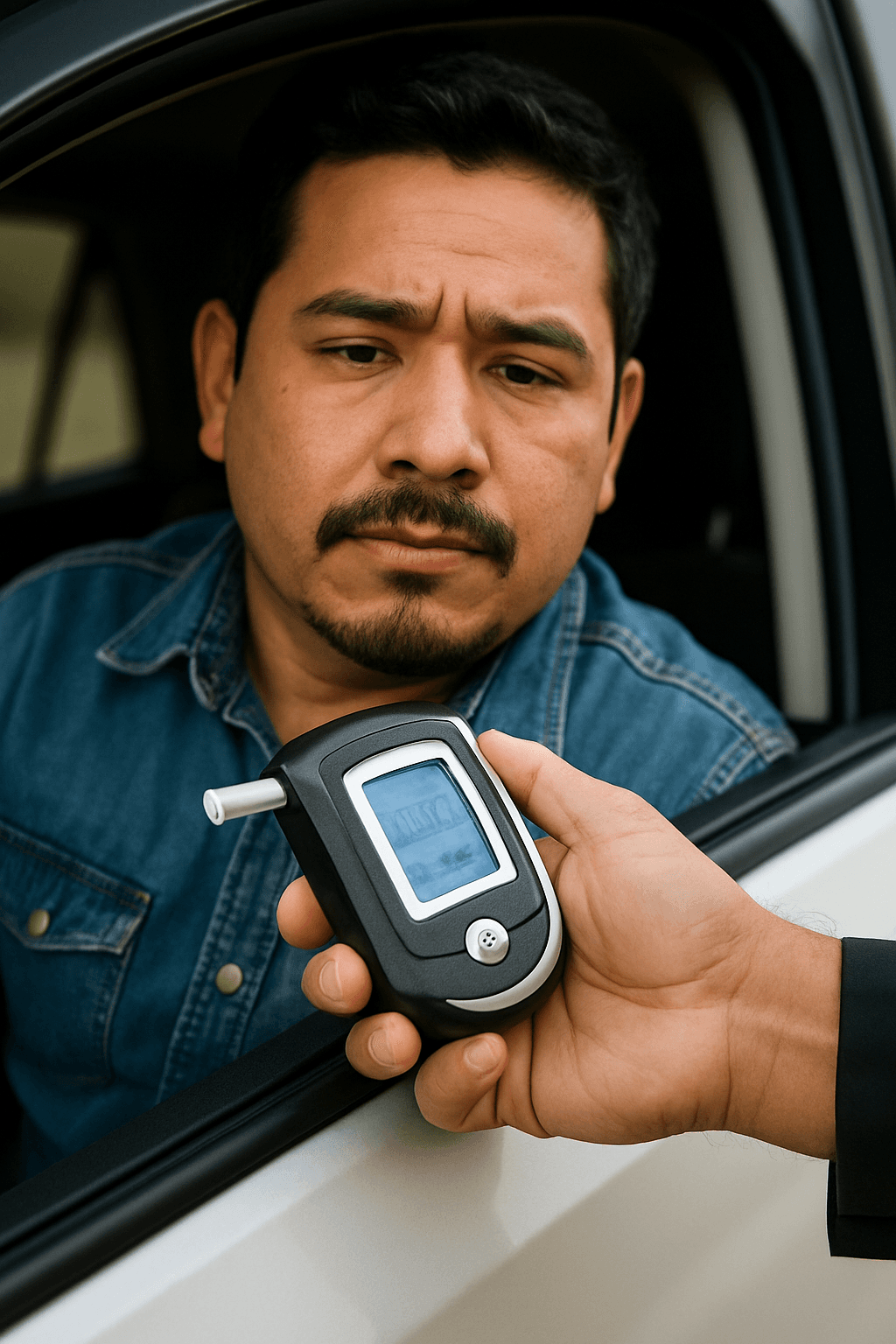
You've been approved for a hardship license and ordered to install an ignition interlock device. The problem: you can't legally drive to get the IID installed until you have the license, but Alabama won't issue the license until the device is active in your vehicle.
The Alabama Hardship License IID Timing Problem
Alabama hardship licenses for DUI suspensions require an ignition interlock device before the license is issued. The Alabama Law Enforcement Agency Division (ALEA) will not issue your hardship license until it receives IID installation confirmation from a state-certified provider. Your approved hardship petition from the circuit court does not grant driving privileges — it only authorizes ALEA to issue the restricted license once the device requirement is satisfied.
Most IID providers in Alabama require the vehicle to be brought to their installation facility. You cannot legally drive the vehicle there without a valid license. This creates a procedural gap: you need the device installed to get the license, but you need a license to drive to the installation appointment.
The gap is real, but solvable. Alabama law and ALEA policy allow for transportation exceptions during the installation window, and IID providers in metro areas offer mobile installation services that eliminate the drive requirement entirely.
How to Schedule IID Installation Before License Issuance
Contact a state-certified IID provider immediately after your hardship hearing approval. Alabama certifies providers through the Alabama Ignition Interlock Program — the court order or ALEA notice will include a list of approved vendors. Call the provider and explain you do not yet have the hardship license and need installation scheduled.
Request mobile installation if available. Providers like Smart Start, Intoxalock, and LifeSafer offer mobile installation in Birmingham, Montgomery, Mobile, Huntsville, and Tuscaloosa. The technician comes to your home or workplace, installs the device in your driveway, and submits the installation confirmation to ALEA electronically the same day. You never need to drive unlicensed.
If mobile installation is not available in your area, ask the provider about the transportation exception process. Alabama circuit courts issuing hardship orders can include language authorizing one round-trip drive for the sole purpose of IID installation. The provider will give you a dated installation appointment confirmation letter. Keep that letter, your court hardship order, and proof of SR-22 insurance in the vehicle during the drive to the installation facility. This does not make the drive legal under Alabama Code §32-6-1, but it documents your compliance effort if stopped.
Compare car insurance rates in your state
Get quotes from licensed carriers — no obligation, no spam, results in minutes.
Get Your Free Quote✓ No Obligation Required✓ Licensed Carriers Only✓ Available Nationwide✓ Free to Compare
What Happens After Installation: License Issuance Timeline
The IID provider submits installation confirmation to ALEA within 24 hours of device activation. ALEA processes hardship license issuance 3 to 7 business days after receiving IID confirmation and verifying active SR-22 filing. Your SR-22 must show continuous coverage from the date of installation forward — any lapse voids the hardship license immediately.
You will receive a notice from ALEA instructing you to visit a driver license examining office to pay the hardship license fee and receive the physical credential. The fee is $100 for DUI-related hardship licenses as of current Alabama regulations. Bring the ALEA notice, proof of SR-22, and the court hardship order. The license is valid for the duration specified in your court order, typically 6 months to 1 year, renewable if the underlying suspension period has not ended.
Do not drive under hardship privileges until you hold the physical license. The IID installation confirmation does not authorize driving. Alabama law requires the hardship license to be in your possession during any permitted drive.
Cost Stack: IID and Hardship License Combined
IID installation in Alabama costs $75 to $150 depending on the provider and device model. Monthly monitoring and calibration fees run $60 to $90 per month. Alabama requires monthly calibration visits — missing a calibration appointment triggers a lockout and a violation report to ALEA, which revokes the hardship license.
ALEA hardship license issuance costs $100. SR-22 filing adds $15 to $50 annually depending on the carrier, and the underlying SR-22 auto insurance premium for DUI drivers in Alabama typically ranges from $180 to $320 per month for minimum liability coverage. Court costs for the hardship petition hearing are $200 to $400 in most Alabama counties.
Total first-month cost for a DUI hardship license with IID in Alabama: approximately $700 to $1,100. Monthly ongoing cost after installation: $240 to $410 for SR-22 insurance plus IID monitoring. Budget accordingly — missing a single IID payment or insurance lapse revokes the license and resets your eligibility waiting period.
Approved Purposes and Route Restrictions Under Alabama Hardship License
Alabama hardship licenses restrict driving to court-approved purposes only. The most common approval categories are employment, medical appointments, DUI education program attendance, and court-ordered obligations. Your hardship order specifies approved hours, approved days, and approved routes. Driving outside those parameters is a violation of Alabama Code §32-6-1 and results in immediate hardship license revocation plus extension of the underlying suspension.
Employment routes must be direct. Stopping for errands, meals, or personal business during an approved work commute is a violation. Medical appointments require documentation — ALEA may request proof of scheduled appointments during compliance reviews. DUI education program attendance is explicitly authorized under Alabama hardship law, but only for state-certified programs listed on the court order.
The IID device logs every ignition attempt, every failed breath test, and every engine runtime event. ALEA downloads IID data during calibration visits. If the device shows ignition attempts outside approved hours or extended runtime inconsistent with approved routes, ALEA will initiate a violation hearing. Violation hearings result in hardship license revocation in approximately 85% of cases statewide.
SR-22 Requirement Duration and Hardship License Interaction
Alabama requires SR-22 filing for 3 years following a DUI conviction, measured from the date of conviction, not the date of hardship license issuance. The hardship license period runs concurrently with the SR-22 filing period — it does not extend it. If your DUI conviction occurred 6 months before hardship approval, you have 2.5 years of SR-22 filing remaining after the hardship license is issued.
SR-22 filing must remain continuous and active during the entire hardship license period. A lapse of even one day triggers automatic hardship license suspension under Alabama Code §32-7-4. ALEA receives electronic notification from your insurance carrier within 24 hours of policy cancellation or non-renewal. You will not receive advance warning — the license suspension is immediate.
Reinstatement after SR-22 lapse requires filing a new SR-22, paying a $100 reinstatement fee to ALEA, and reapplying for hardship privileges if the underlying suspension period has not ended. Most Alabama circuit courts do not grant second hardship petitions for compliance violations.
Carrier Availability for Hardship License SR-22 in Alabama
Not all SR-22 carriers in Alabama write policies for drivers with active hardship licenses. Standard carriers (State Farm, Allstate, GEICO) typically decline DUI hardship applicants. Non-standard carriers that write Alabama hardship SR-22 policies include The General, Direct Auto, GAINSCO, Dairyland, Bristol West, and Acceptance Insurance.
Some carriers require the hardship license to be issued before binding coverage. Others will bind SR-22 coverage based on the court hardship order and IID installation confirmation, allowing you to satisfy the ALEA SR-22 requirement before the physical license is issued. Call carriers directly and ask whether they write hardship SR-22 policies in Alabama and whether they require the physical license at binding.
Rates vary by county, age, and prior violations, but expect monthly premiums of $180 to $320 for minimum liability coverage with SR-22 endorsement. Alabama minimum liability limits are 25/50/25 — $25,000 bodily injury per person, $50,000 bodily injury per accident, $25,000 property damage. Higher limits reduce risk but increase premium. Most hardship drivers carry state minimums to manage cost.