Washington calls it an occupational restricted license, and you apply through the court that suspended you — not the DMV. Here's what Tacoma drivers pay, how long it takes, and what SR-22 carriers will cover you.
Washington restricted licenses go through court, not the Department of Licensing
Washington does not process occupational restricted licenses through DOL. You apply through the court that issued your suspension — Pierce County District Court for most DUI cases, Tacoma Municipal Court for city violations, or the superior court if your case was elevated. The court grants or denies the restricted privilege at a hardship hearing, which you must petition for separately from your criminal case.
Tacoma Municipal Court typically schedules hardship hearings 3–6 weeks after petition filing, depending on docket load. Pierce County District Court runs 4–8 weeks for non-expedited cases. Superior court timelines vary by judge assignment but average 6–10 weeks. No agency processes this administratively — you need a hearing date, and the judge decides whether your employment justifies the privilege.
If your suspension originated from an administrative DOL action (insurance lapse, medical certification failure, child support delinquency), you petition DOL directly using form ADM-560. That process runs 10–15 business days for initial review, but still requires a hearing officer decision. Court-issued suspensions do not use this path.
Eligibility waiting periods vary by violation type and prior record
Washington allows immediate restricted license petitions for most first-offense DUI suspensions. No mandatory waiting period exists if your suspension is administrative (pre-conviction) and you have no prior alcohol-related revocations in the last 7 years. Courts typically grant these within 30–45 days of suspension start if you meet SR-22, IID, and employment documentation requirements.
Second-offense DUI or physical-control suspensions carry a 45-day hard suspension before restricted privileges can begin. Third-offense or felony DUI cases require 90 days minimum. Habitual traffic offender (HTO) declarations carry a 1-year hard suspension with no restricted driving allowed during that period. Refusal suspensions (declining a breathalyzer) add complexity — courts can grant restricted privileges after 90 days if IID is installed, but many judges deny these petitions absent extraordinary hardship.
Suspensions for unpaid tickets, child support delinquency, or insurance lapses have no waiting period. You can petition immediately, but the court will require proof that the underlying issue is being resolved — payment plan documentation, SR-22 proof of coverage, or child support compliance agreement.
Compare car insurance rates in your state
Get quotes from licensed carriers — no obligation, no spam, results in minutes.
Get Your Free Quote✓ No Obligation Required✓ Licensed Carriers Only✓ Available Nationwide✓ Free to Compare
Application costs include court fees, DOL reinstatement, SR-22 premium, and IID installation
Pierce County District Court charges a $200 petition filing fee for restricted license hearings. Tacoma Municipal Court charges $150. These fees are separate from your original case costs and must be paid at filing — courts will not schedule a hearing without payment. If you use an attorney to file the petition and represent you at the hearing, expect $800–$1,500 in legal fees depending on case complexity.
Washington DOL charges a $150 reissue fee when the court grants your restricted license and you pick up the physical credential at a licensing office. If your suspension was alcohol-related, add a $100 occupational license application fee paid to DOL before issuance. Total DOL costs for a DUI-related restricted license: $250.
SR-22 insurance for restricted license holders in Tacoma typically runs $120–$220/month through non-standard carriers (Bristol West, Dairyland, GAINSCO, The General, Progressive non-standard division). Ignition interlock device installation costs $150–$250, with monthly lease and calibration fees of $75–$100. Total first-month cost for a Tacoma DUI driver seeking a restricted license: $1,600–$2,400. Monthly recurring cost after that: $195–$320.
Approved purposes are tightly restricted to work, medical, childcare, and court-ordered treatment
Washington courts grant occupational restricted licenses for employment travel only unless you petition for additional approved purposes. Work-only licenses permit direct travel between your home and workplace during your documented shift hours, plus a 1-hour window before and after each shift. Detours for errands, meals, or other stops are prohibited and will revoke your license if cited.
Most Tacoma petitioners request a combined-purpose license covering employment, medical appointments, childcare, and substance abuse treatment. Courts grant these if you document each purpose with employer letters, childcare provider addresses, medical appointment schedules, and treatment program enrollment verification. Each purpose gets specific approved hours and addresses — the license states exactly where you can drive and when.
Grocery shopping, social visits, religious services, and recreational travel are not approved purposes. Courts will not add them. If you need transportation outside your restricted hours, you arrange a ride or use public transit. Violating your restricted license terms triggers immediate revocation, extends your underlying suspension, and often results in a driving-while-license-suspended charge — a misdemeanor carrying up to 90 days in jail for first offense.
SR-22 filing is required before the court issues the restricted license
Washington requires SR-22 proof of financial responsibility for all alcohol-related, reckless driving, and multiple-violation suspensions. You cannot receive a restricted license until DOL shows an active SR-22 on file tied to your driver license number. The SR-22 must be filed by a licensed Washington carrier — your insurer submits it electronically to DOL within 24 hours of policy issuance.
Non-standard carriers that write SR-22 policies for Tacoma restricted license holders include Bristol West, Dairyland, GAINSCO, The General, Direct Auto, Safe Auto, Acceptance, and Kemper. Progressive and GEICO will write SR-22 for some violation types but often decline DUI cases or third-offense violations. Expect underwriting delays of 3–7 days for high-risk cases — carriers verify your violation history, IID installation status, and court-granted restricted license terms before binding coverage.
Washington requires 3 years of continuous SR-22 filing for DUI convictions, measured from the date of conviction, not the date you start driving again. If your SR-22 lapses for any reason — missed payment, policy cancellation, switching carriers without overlap — DOL suspends your license immediately and resets your 3-year clock to zero. The restricted license does not shorten your SR-22 duration.
Ignition interlock is mandatory for all alcohol-related restricted licenses
Washington law requires ignition interlock devices on every vehicle you operate if your restricted license stems from a DUI, physical control, or refusal charge. Installation must occur before the court grants the restricted privilege — you bring proof of IID installation (form provided by the installer) to your hardship hearing. Courts will not issue the license without it.
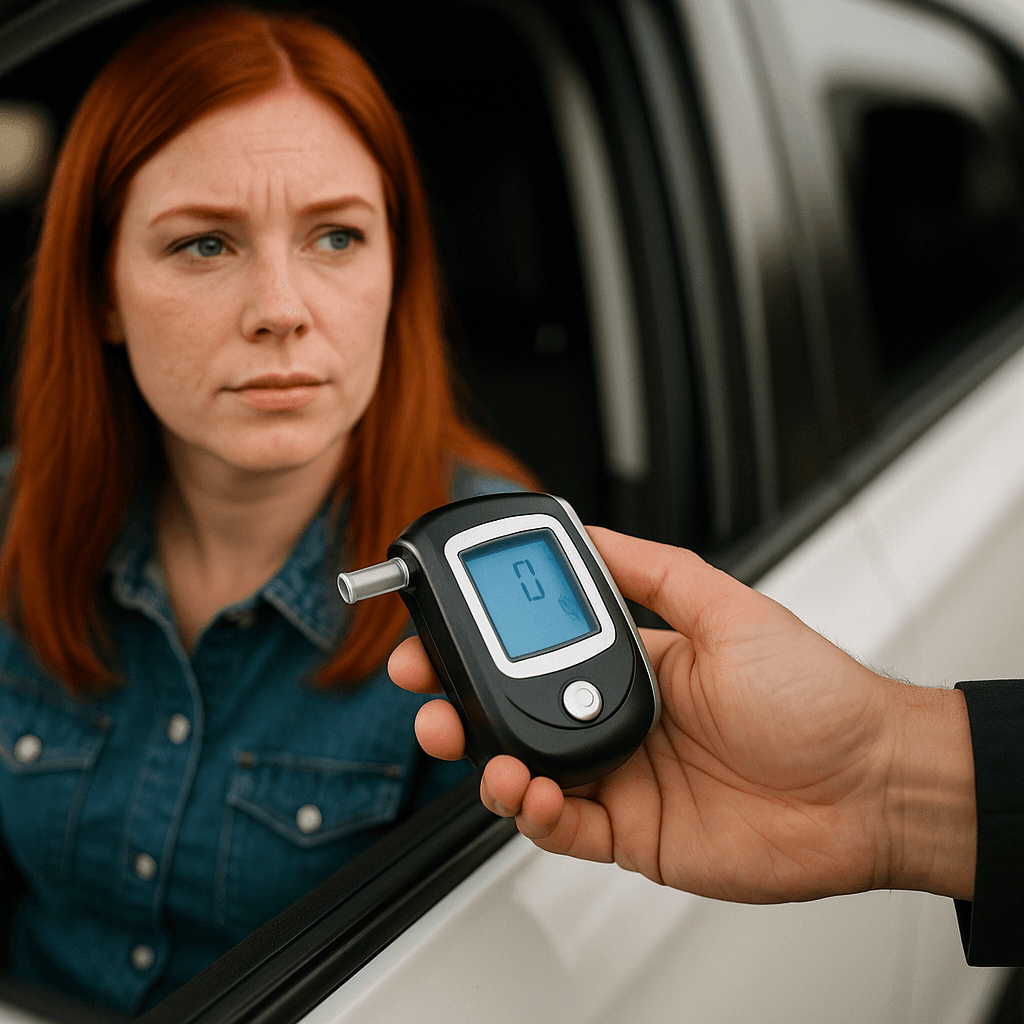
Tacoma-area IID installers include Intoxalock, LifeSafer, Smart Start, and Guardian Interlock. Installation appointments typically take 1–2 hours and must occur at a DOL-certified provider location. The device requires rolling retests every 5–15 minutes while driving — you pull over, blow, and continue if you pass. Failed tests, skipped retests, or tampering attempts are logged and reported to DOL monthly. Three failed retests in any 6-month period revokes your restricted license.
IID duration matches your restricted license period for most first-offense cases. Second-offense DUI requires a minimum 5-year IID term. Third-offense or felony DUI requires 10 years, even after your full license is reinstated. These durations are statutory — judges cannot shorten them. Budget $75–$100/month for device lease and calibration, plus $150–$250 upfront for installation and removal.
Restricted license violations reset your suspension and add criminal charges
Driving outside your approved hours, detouring from approved routes, or operating a vehicle without an installed IID when required triggers immediate restricted license revocation. DOL receives violation reports from law enforcement within 72 hours of a traffic stop. Your restricted privilege is suspended that same day, and you must serve the remainder of your original suspension period from zero.
Driving while license suspended third degree (DWLS3) is the standard charge for violating restricted license terms in Washington. First offense is a misdemeanor carrying up to 90 days in jail and a $1,000 fine. Second offense within 5 years elevates to gross misdemeanor with up to 364 days in jail. Courts rarely show leniency — restricted licenses are explicit contracts, and violations demonstrate you cannot follow court orders.
If you are cited for any moving violation while on a restricted license — speeding, failure to signal, running a stop sign — your restricted privilege is subject to review. Tacoma Municipal Court and Pierce County District Court both maintain low tolerance for additional violations during restricted periods. A single at-fault accident or major moving violation often results in revocation even if the violation itself is minor.