Lost your Washington license after a DUI or suspension? Seattle drivers can apply for a restricted license through DOL, often with IID and SR-22 filing—here's the exact process, cost, and wait time.
Does Seattle Use Court or DOL for Restricted License Applications?
Washington processes restricted license applications through the Department of Licensing, not through a court hardship hearing. You apply directly at any DOL office or online once you meet eligibility requirements.
Seattle drivers don't schedule a hearing or appear before a judge. DOL reviews your application, verifies SR-22 filing, confirms IID enrollment if required, and issues the restricted license by mail within 5–10 business days. Court involvement ended your full license—DOL handles the path back to restricted driving.
The distinction matters because court-based systems in other states can delay approval 30–60 days waiting for a hearing date. Washington's administrative process moves faster once all compliance documents are submitted, but many applicants stall because they apply before IID vendors file the required confirmation with DOL.
What Are the Eligibility Requirements and Waiting Periods?
Washington requires a mandatory eligibility waiting period before you can apply for a restricted license. For DUI suspensions, you must wait 30 days from the effective suspension date. For multiple alcohol-related violations, the waiting period extends to 90 days. For non-alcohol suspensions—unpaid tickets, insurance lapses, driving while suspended—you can apply immediately once the underlying issue is resolved.
You must complete an alcohol/drug assessment and enroll in state-approved treatment if your suspension stems from DUI or physical control charges. DOL will not approve a restricted license application until the treatment provider submits proof of enrollment. SR-22 filing must be active before you apply—DOL verifies this electronically, and a lapse of even one day resets your filing period to zero in Washington.
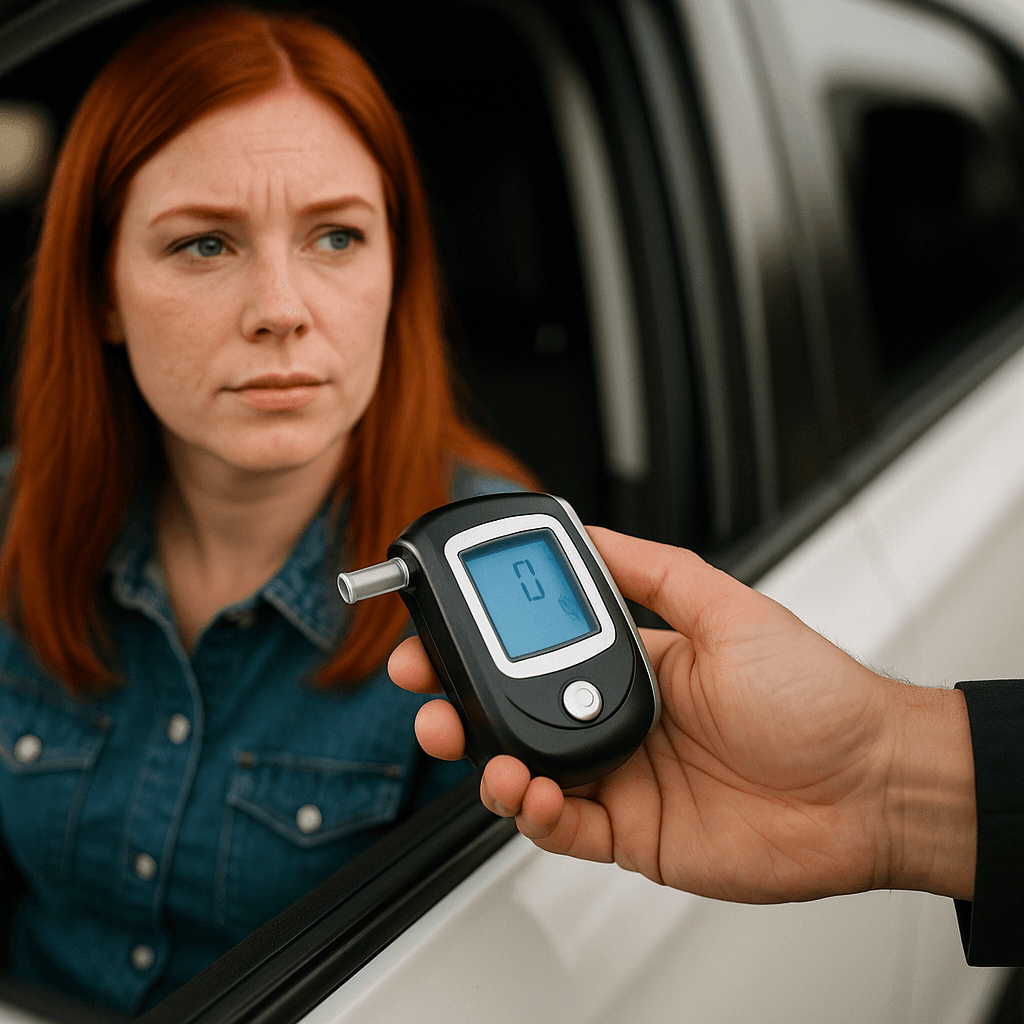
If your suspension requires an ignition interlock device, you must install the IID and obtain a compliance certificate from the vendor before DOL will process your application. Most Seattle applicants use LifeSafer, Intoxalock, or Smart Start. The vendor submits compliance data to DOL within 3–5 business days of installation, but you cannot apply for the restricted license until that confirmation appears in DOL's system.
Compare car insurance rates in your state
Get quotes from licensed carriers — no obligation, no spam, results in minutes.
Get Your Free Quote✓ No Obligation Required✓ Licensed Carriers Only✓ Available Nationwide✓ Free to Compare
What Does a Washington Restricted License Actually Allow?
Washington's restricted license permits driving to and from work, school, court-ordered treatment, medical appointments, and childcare. Routes and hours are not pre-approved by DOL—you self-certify that each trip falls within permitted purposes. Law enforcement verifies this during traffic stops by asking your destination and reviewing your employer letter or treatment schedule.
You cannot drive for personal errands, social activities, or convenience trips. A restricted license does not allow rideshare driving, DoorDash, or any employment requiring non-route driving. If your job involves client visits, deliveries, or multi-site travel, you must provide DOL with an employer letter specifying every work location and shift time. Deviation from stated purposes can trigger immediate license revocation and extend your underlying suspension.
If your suspension requires an IID, the device monitors every trip. Starting the vehicle outside approved hours or failing a rolling retest generates a violation report sent to DOL. Two violations in 12 months revoke your restricted privilege and add 6 months to your suspension period.
What Is the Total Cost to Apply and Maintain Compliance?
DOL charges a $150 restricted license application fee plus a $75 reinstatement fee when your full license is eventually restored. If your suspension requires SR-22 filing, expect to pay $300–$650 annually in SR-22 premium increases depending on your violation history and carrier. Seattle-area SR-22 carriers include Bristol West, Direct Auto, Dairyland, and The General—standard carriers like State Farm and GEICO typically non-renew DUI cases at the next policy term.
IID installation runs $75–$150, with monthly lease and calibration fees of $70–$100. Washington requires IID for a minimum of 12 months on first-offense DUI, 5 years for second offense, and 10 years for third offense. Total IID cost for a first offense runs $1,000–$1,400 over the required period. If your suspension mandates alcohol treatment, program fees range from $800–$2,500 depending on assessment level and session count.
Employer documentation is typically free, but some drivers hire attorneys to ensure application accuracy. Legal fees for restricted license assistance in King County average $500–$1,200. The full cost stack for a first-offense DUI restricted license in Seattle typically runs $2,500–$4,500 over the first year when SR-22, IID, treatment, and DOL fees are combined.
How Long Does Approval Take and What Are Common Delays?
Once DOL receives a complete application with SR-22 verification, IID compliance confirmation, and treatment enrollment proof, approval takes 5–10 business days. The restricted license arrives by mail to your address on file. You can begin driving the day it arrives—Washington does not issue interim permits while you wait.
The most common delay is applying before IID compliance data reaches DOL. Vendors submit installation reports electronically, but the process takes 3–5 business days. Many Seattle applicants apply immediately after installation, triggering a DOL rejection letter and restarting the timeline. Check with your IID vendor to confirm DOL submission before you apply—this single step eliminates 70% of application delays.
SR-22 lapses cause the second most common rejection. If you switch carriers or cancel a policy, the old carrier files an SR-22 cancellation with DOL within 24 hours. You must have new SR-22 coverage active the same day to avoid a gap. Even a one-day lapse revokes your restricted license immediately and extends your suspension by the length of the lapse period. Verify continuous SR-22 coverage before changing carriers or adjusting your policy.
Which Seattle Carriers Write Restricted License SR-22 Policies?
Restricted license holders in Seattle need SR-22 coverage from carriers willing to write suspended drivers. Bristol West, Direct Auto, Dairyland, GAINSCO, The General, Safe Auto, and Acceptance Insurance operate in Washington and specialize in non-standard SR-22 cases. These carriers expect DUI, suspended license, and multiple-violation applicants—they price for the risk and file SR-22 electronically with DOL within 24–48 hours of binding.
Standard carriers like State Farm, Progressive, and Allstate will typically non-renew your policy at the next term after a DUI conviction or license suspension. Some may allow you to finish the current policy period, but renewal is rare. Expect SR-22 rates to run 70–130% higher than your pre-violation premium, with the increase persisting for 3–5 years depending on carrier and violation severity.
Non-owner SR-22 policies cover Seattle drivers who need SR-22 filing but don't own a vehicle. If you sold your car, use public transit, or borrow vehicles occasionally, a non-owner policy satisfies Washington's SR-22 requirement at $30–$60/month. This option works only if you do not have regular access to a household vehicle—DOL and carriers both verify vehicle ownership when issuing restricted licenses.
What Happens If You Violate Restricted License Terms?
Driving outside approved purposes while on a restricted license triggers immediate revocation and adds 6–12 months to your underlying suspension. Washington State Patrol and Seattle PD verify restricted license compliance during every traffic stop by asking your destination and reviewing supporting documentation. If you cannot produce an employer letter, treatment schedule, or medical appointment confirmation, the officer will likely cite you for driving while license suspended in the first degree—a gross misdemeanor carrying up to 364 days in jail and a $5,000 fine.
IID violations—failed rolling retests, tampering, or circumvention attempts—generate automatic reports to DOL. Two violations in 12 months revoke your restricted privilege and extend your IID requirement by 6 months. Washington does not allow IID removal until you complete the required period with zero violations in the final 180 days. A single failed retest at 11 months resets the violation-free countdown.
SR-22 lapses are treated as driving without insurance. DOL revokes your restricted license the day your carrier files the SR-22 cancellation, and your suspension period extends by the number of days you remained uninsured. Reinstatement after an SR-22 lapse requires filing a new SR-22, paying a $75 reinstatement fee, and waiting another 30 days before restricted driving privileges are restored.