Washington DOL grants occupational restricted licenses through administrative process, not court hearing—but the SR-22 filing requirement runs independently, creating compliance gaps most carriers don't explain until you're already denied.
Washington DOL Issues Occupational Restricted Licenses Administratively—No Court Hearing Required
Washington DOL processes occupational restricted license applications through administrative review, not hardship hearings. You submit Form TD-420-063, employer verification, proof of need, and the $150 application fee directly to DOL. Approval typically takes 7–14 business days if your underlying suspension meets eligibility criteria.
You qualify after 30 days into most alcohol-related suspensions, 45 days for refusal suspensions, and immediately for certain financial responsibility suspensions. DOL grants restricted driving for work commute, work-related driving during shift, medical appointments, court-ordered treatment, and childcare. Routes and hours are pre-approved on your application—deviation voids the license and can extend your underlying suspension.
The restricted license runs for the full suspension period minus time already served. A 90-day DUI suspension yields roughly 60 days of restricted driving if you apply on day 30. SR-22 filing must be active before DOL processes your application, creating the first carrier coordination problem most applicants don't see coming.
SR-22 Filing and Restricted License Endorsement Are Separate Carrier Decisions
Washington requires continuous SR-22 filing for the full suspension period plus any probationary period—typically 3 years total for first DUI. Your carrier files SR-22 with DOL electronically, but the restricted license itself requires a separate policy endorsement that not all SR-22 carriers write.
Bristol West, Dairyland, GAINSCO, and Progressive write both SR-22 and occupational restricted license endorsements in Washington. The General, Direct Auto, and Safe Auto write SR-22 but often decline the restricted endorsement due to underwriting rules around approved driving hours. National General and Kemper handle both but price the restricted endorsement 15–25% higher than standard SR-22 due to perceived violation risk.
You can hold an SR-22 policy and still be denied restricted license coverage. The reverse also happens: approved for restricted endorsement but SR-22 filing rejected due to recent lapse history or multiple violations. When this split occurs, you cannot complete your DOL application because Washington requires both the SR-22 proof and proof of coverage that includes the restricted license.
Compare car insurance rates in your state
Get quotes from licensed carriers — no obligation, no spam, results in minutes.
Get Your Free Quote✓ No Obligation Required✓ Licensed Carriers Only✓ Available Nationwide✓ Free to Compare
Ignition Interlock Compounds Carrier Approval Complexity
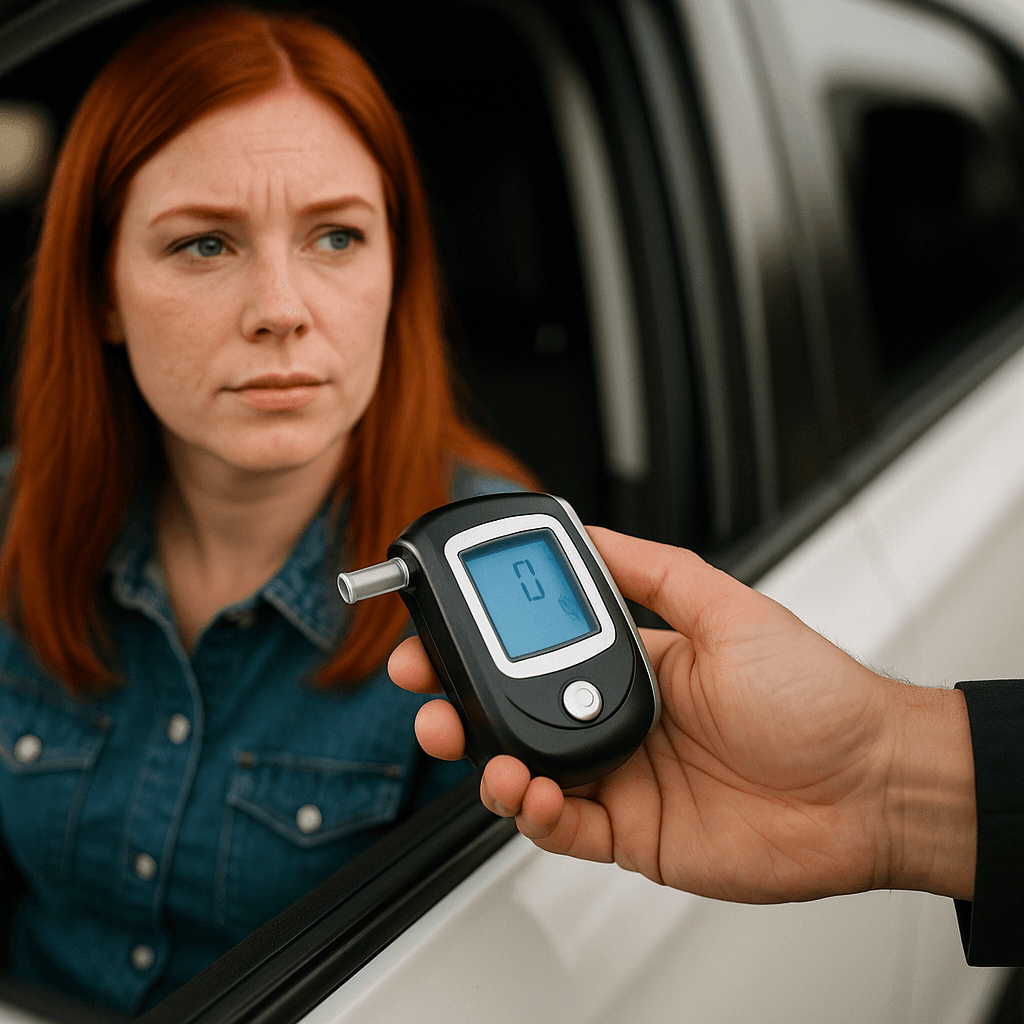
Washington requires ignition interlock device installation for all DUI-related restricted licenses, even first offense. DOL will not issue your restricted license until you provide IID vendor certification showing compliant installation. The IID requirement runs concurrently with your restricted license period—typically 1 year minimum.
Carriers underwrite IID cases separately. Some decline outright. Others surcharge 30–50% for IID-equipped policies due to claims data showing higher violation rates among IID users who attempt non-compliant driving. GAINSCO and Bristol West write IID + restricted license + SR-22 as a bundled risk in Washington. Direct Auto and The General often decline if all three requirements appear simultaneously.
Your total monthly cost stack: IID lease ($70–$100/month), IID calibration every 60 days ($20–$30 per visit), SR-22 premium ($120–$190/month for restricted + SR-22 endorsement), DOL application fee ($150 upfront), and eventual reinstatement fee ($170 once suspension ends). Budget $1,800–$2,400 for the first 6 months before your rate stabilizes.
Most Carriers Quote SR-22 First, Then Decline Restricted Endorsement Later
Standard quoting process breaks down for restricted license cases. You call for an SR-22 quote, carrier runs your record, quotes you a monthly premium. You accept, pay the deposit, and request SR-22 filing. Then you mention the restricted license. Underwriting reviews again—this time for the endorsement—and declines or re-quotes 40% higher.
This happens because SR-22 filing is a state compliance product. Carriers must offer it to maintain their Washington license. The restricted license endorsement is optional coverage. Underwriters apply stricter criteria: approved driving hours must fall within the carrier's accepted risk window, your violation type must clear their restricted-driver matrix, and your employer documentation must show stable employment.
Progressive and Dairyland quote both together if you disclose restricted license need upfront. Bristol West requires underwriting review before binding but commits to a combined rate within 48 hours. GAINSCO writes restricted + SR-22 + IID in a single policy but only through appointed agents—you cannot bind this combination online or via their direct channel.
Approved Hours and Route Violations Trigger Immediate SR-22 Cancellation Reporting
Your restricted license lists specific approved hours and approved routes. Driving outside those parameters is a criminal violation—Driving While License Suspended 2nd Degree, a misdemeanor. If you're cited, your carrier receives the violation report within 5–7 days through Washington's electronic reporting system.
Most carriers cancel your SR-22 policy immediately upon receiving a DWLS 2nd Degree citation, even before court adjudication. Washington law requires carriers to notify DOL within 24 hours of cancellation. DOL then revokes your restricted license and adds 30–90 days to your underlying suspension. Your SR-22 filing clock resets to zero—you must maintain a new 3-year SR-22 period starting from the date you refile.
Dairyland and National General allow one DWLS 2nd Degree citation with proof of employer scheduling error or medical emergency before canceling. Progressive and Bristol West cancel on first report. The General voids the policy retroactively, requiring you to repay any claims paid during the restricted period. Know your approved hours exactly—your employer's shift change or a traffic detour does not create a legal exception.
Non-Owner SR-22 Does Not Work for Washington Occupational Restricted Licenses
Washington DOL requires proof of vehicle-specific liability coverage to issue an occupational restricted license. Non-owner SR-22 policies cover you as a driver but do not satisfy the vehicle coverage requirement for restricted license endorsement. You must have a standard auto policy listing a specific vehicle—owned, co-owned, or listed as a regular driver on a household policy.
If you do not own a vehicle, you have three options: purchase a vehicle and insure it under your name with SR-22 + restricted endorsement (total monthly cost $180–$250), be added as a listed driver on a family member's policy with SR-22 rider and restricted endorsement added to that policy (requires the policyholder's consent and underwriting approval), or lease a vehicle and secure coverage as the lessee. Non-owner policies cover liability only and do not meet DOL's restricted license vehicle documentation rule.
This creates a gap for drivers whose DUI resulted in vehicle impoundment or who sold their vehicle after losing their license. You cannot apply for the restricted license until you have vehicle access and corresponding coverage. Budget 4–6 weeks to secure a vehicle, obtain financing if needed, and bind an SR-22 + restricted endorsement policy before submitting your DOL application.
Which Carriers Handle the Full Stack Without Splitting Your Application
Bristol West writes SR-22, occupational restricted license endorsement, and IID coverage as a unified policy in Washington. Their underwriting team reviews all three requirements together and quotes a combined monthly rate—typically $140–$210/month depending on violation type and coverage limits. Application processing takes 3–5 business days once you provide employer verification and IID installation proof.
Dairyland and GAINSCO write the full combination but require appointed agent placement. You cannot bind these policies online. Expect $130–$200/month and 5–7 business days for underwriting approval. Progressive handles all three but applies a restricted license surcharge that runs 12–18 months, even after your restricted license period ends. National General writes the stack but declines if you have any lapse in the 12 months prior to application.
Avoid carriers that separate the decisions. The General, Safe Auto, and Direct Auto quote SR-22 but refer restricted endorsement to underwriting review—frequently resulting in denial after you've already paid your SR-22 deposit. Acceptance Insurance writes restricted endorsements in some Western states but currently declines Washington occupational restricted licenses due to IID complication.