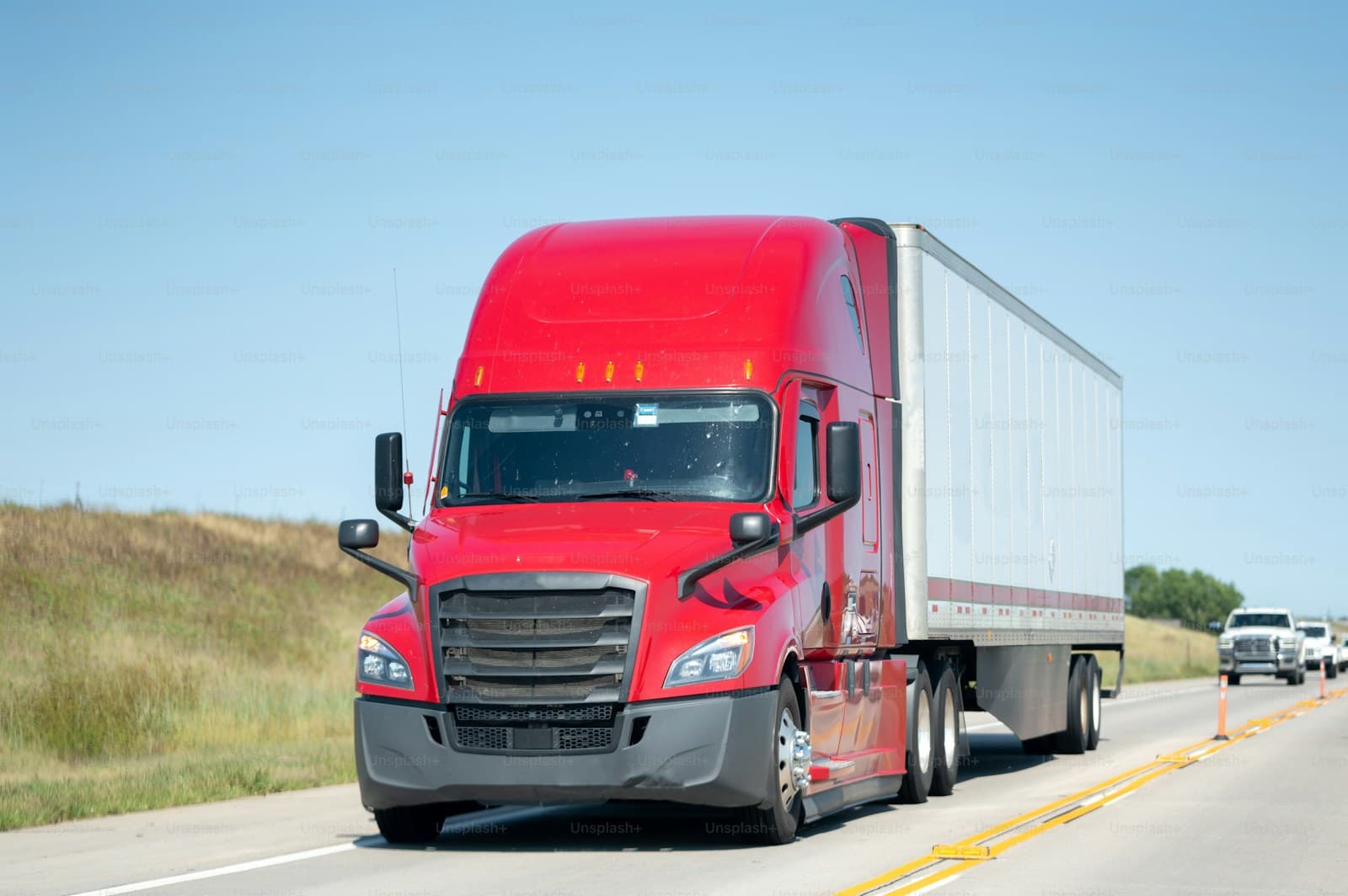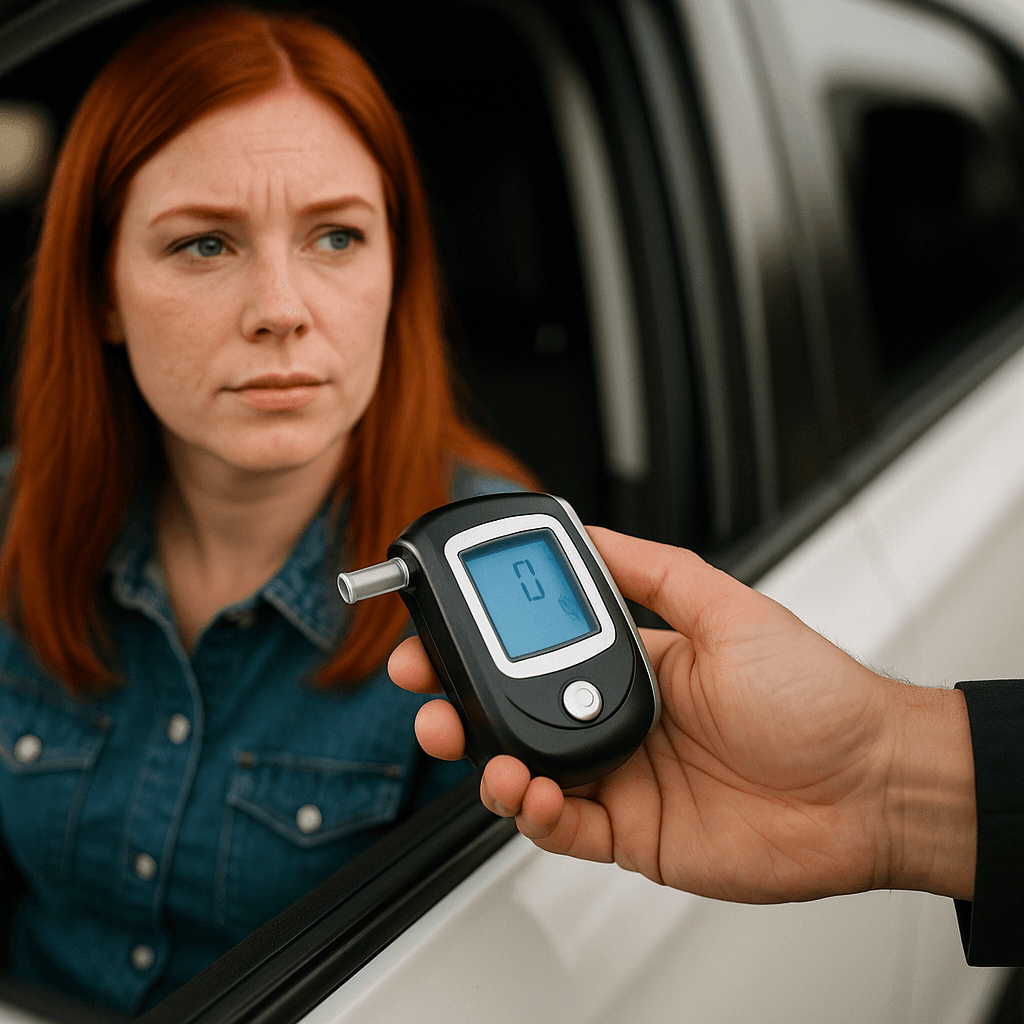
Washington law blocks commercial drivers from obtaining restricted or hardship licenses for CDL work. If you lose your CDL after DUI or major violations, no court or DMV process will restore commercial driving privileges during your suspension period.
Washington CDL Holders Face Total Commercial Driving Ban During Suspensions
Washington state law prohibits restricted driving privileges for commercial motor vehicle operation under any circumstances. If your CDL is suspended or revoked due to DUI, multiple violations, or other disqualifying offenses, you cannot obtain a restricted license, hardship license, or occupational driving permit that allows you to drive commercially during the suspension period. This is a hard stop—no court hearing, no DMV administrative process, no hardship justification will restore your legal ability to operate a commercial vehicle until your full CDL is reinstated.
The Washington Department of Licensing applies this restriction uniformly. While non-commercial drivers facing the same suspension may qualify for an Ignition Interlock Driver's License (IIDL) that allows work driving with an ignition interlock device installed, that program explicitly excludes commercial motor vehicles. RCW 46.20.385 and 46.25.090 make clear that restricted privileges do not extend to vehicles requiring a CDL. If your job requires you to drive a semi-truck, bus, delivery truck over 26,001 pounds GVWR, or any vehicle transporting hazardous materials or 16+ passengers, you are off the road completely.
This creates immediate employment consequences for professional drivers. Most commercial employers cannot wait months or years for reinstatement—they hire replacement drivers within days. The suspension period for DUI CDL cases typically runs 1 year minimum for first offenses, 3 years for second offenses, and lifetime for third offenses. Unlike standard driver license suspensions where restricted privileges preserve some driving ability, CDL suspensions eliminate your ability to perform the core function of your job.
Why Washington Law Blocks Commercial Restricted Privileges
Federal and state safety regulations treat commercial driving as a privilege that cannot be partially restored after disqualifying violations. The Federal Motor Carrier Safety Administration (FMCSA) sets baseline disqualification periods for CDL holders, and Washington state law mirrors or exceeds those standards. A DUI in any vehicle—commercial or personal—triggers a one-year CDL disqualification under both federal law (49 CFR 383.51) and Washington law (RCW 46.25.090). Refusing a chemical test doubles that period to two years.
Restricted license programs like Washington's IIDL exist to balance public safety with hardship relief for standard drivers. The theory is that an ignition interlock device prevents impaired operation while allowing necessary travel for work, medical appointments, and family care. Commercial vehicles are categorically excluded from this balance because the risk profile is different—larger vehicles, longer routes, interstate commerce, and third-party cargo or passenger responsibility create safety and liability exposures that states and federal regulators will not permit under restricted-privilege conditions.
Washington's position is consistent across the West Coast. Oregon, California, and Idaho apply the same prohibition—no restricted commercial driving during CDL suspensions. This uniformity reflects federal regulatory pressure and interstate commercial driver tracking through the Commercial Driver's License Information System (CDLIS), which flags disqualified drivers across all 50 states.
Compare car insurance rates in your state
Get quotes from licensed carriers — no obligation, no spam, results in minutes.
Get Your Free Quote✓ No Obligation Required✓ Licensed Carriers Only✓ Available Nationwide✓ Free to Compare
The Non-Commercial Restricted License Option Only Works for Non-CDL Jobs
If you hold a CDL but can transition to non-commercial employment, Washington's Ignition Interlock Driver's License (IIDL) may provide restricted driving privileges for personal use and non-commercial work. The IIDL allows you to drive a personal vehicle equipped with an ignition interlock device to and from work, during work hours if your job involves non-commercial driving, and for approved personal purposes including medical care, education, and child care.
To qualify for an IIDL in Washington after a DUI suspension, you must install an ignition interlock device with a state-certified provider, pay the $150 IIDL application fee, file SR-22 insurance, and apply through the Department of Licensing within the eligibility window. DUI first offenders are eligible immediately after the administrative license suspension begins. The IIDL remains valid throughout the suspension period as long as the IID stays installed and you avoid violations.
This path works only if you can find non-commercial employment. If you held a Class A CDL and drove long-haul trucks, the IIDL does not allow you to downgrade to driving a delivery van under 10,000 pounds GVWR and continue in a similar role—because any job that requires a CDL or involves interstate commerce triggers the commercial vehicle exclusion. The IIDL is useful for commuting to warehouse work, retail jobs, or other employment that does not require you to drive as part of your duties, or allows you to drive only standard passenger vehicles.
SR-22 Filing Requirements Continue Even When You Cannot Drive Commercially
Washington requires SR-22 insurance filing for DUI convictions, major violations, and license suspensions regardless of whether you can obtain restricted driving privileges. If your CDL is suspended and you are off the road entirely, you still must file SR-22 to satisfy reinstatement requirements when your suspension period ends. The SR-22 filing period in Washington is typically 3 years from the violation date for DUI cases, and the clock does not start until you file.
If you do not own a vehicle during your suspension, you need non-owner SR-22 insurance. This policy provides liability coverage but does not insure a specific vehicle—it proves financial responsibility in your name. Non-owner SR-22 costs significantly less than standard SR-22 because it excludes collision and comprehensive coverage. Monthly premiums for non-owner SR-22 in Washington typically range from $40 to $90 per month depending on your violation history and the filing period remaining.
Carriers that write non-owner SR-22 policies in Washington include Dairyland, Direct Auto, The General, GAINSCO, and Progressive. Not all carriers write CDL holders, especially those with DUI suspensions. If you plan to return to commercial driving after reinstatement, confirm with your insurer that your SR-22 filing will satisfy both Washington DOL requirements and any employer-mandated insurance requirements once you are eligible for CDL reinstatement.
What Happens When Your CDL Suspension Period Ends
Reinstatement after a CDL suspension in Washington requires completing the full suspension period, filing or maintaining SR-22 for the required duration, paying the $150 reissue fee, and retaking the CDL knowledge and skills tests if your CDL has been expired for more than 60 days. For DUI-related disqualifications, you must also complete a state-approved alcohol/drug assessment and any recommended treatment before the Department of Licensing will reissue your CDL.
The reinstatement process does not happen automatically. You must apply for reinstatement, submit proof of SR-22 filing, provide documentation of completed DUI-related requirements, and pay all outstanding fees and fines. If your suspension was longer than one year or you did not maintain a valid medical examiner's certificate during the suspension, you will need to obtain a new DOT medical card before reapplying for your CDL. Many professional drivers discover during reinstatement that their previous employer has moved on and they face a gap in employment history that makes rehiring difficult.
If you are applying for a new commercial driving job after reinstatement, expect employers to pull your CDLIS record and your state driving abstract. The DUI or disqualifying violation remains visible on your record. Some carriers will not hire drivers with DUI history regardless of how much time has passed. Others apply a waiting period—typically 3 to 5 years post-reinstatement—before considering applicants with major violations. The restricted license prohibition during suspension often translates into permanent career disruption even after legal driving privileges are restored.