New York's conditional license costs $75 upfront plus SR-22 premiums and IID installation, but waiting out a full suspension means months without income. Here's the math on both paths.
What a conditional license actually costs you in New York
New York's conditional license requires a $75 DMV application fee, SR-22 filing that raises your premium $300-500 annually, and ignition interlock device installation at $150 plus $75-100 monthly monitoring if your suspension stems from DUI. These costs hit within the first 30 days.
The SR-22 requirement lasts the full suspension period — typically 90 days for first refusal, 6 months for DWI, or up to 1 year for aggravated DWI. Your conditional license premium runs 70-130% higher than your pre-suspension rate, meaning a driver paying $150/month before suspension now pays $255-345/month with SR-22.
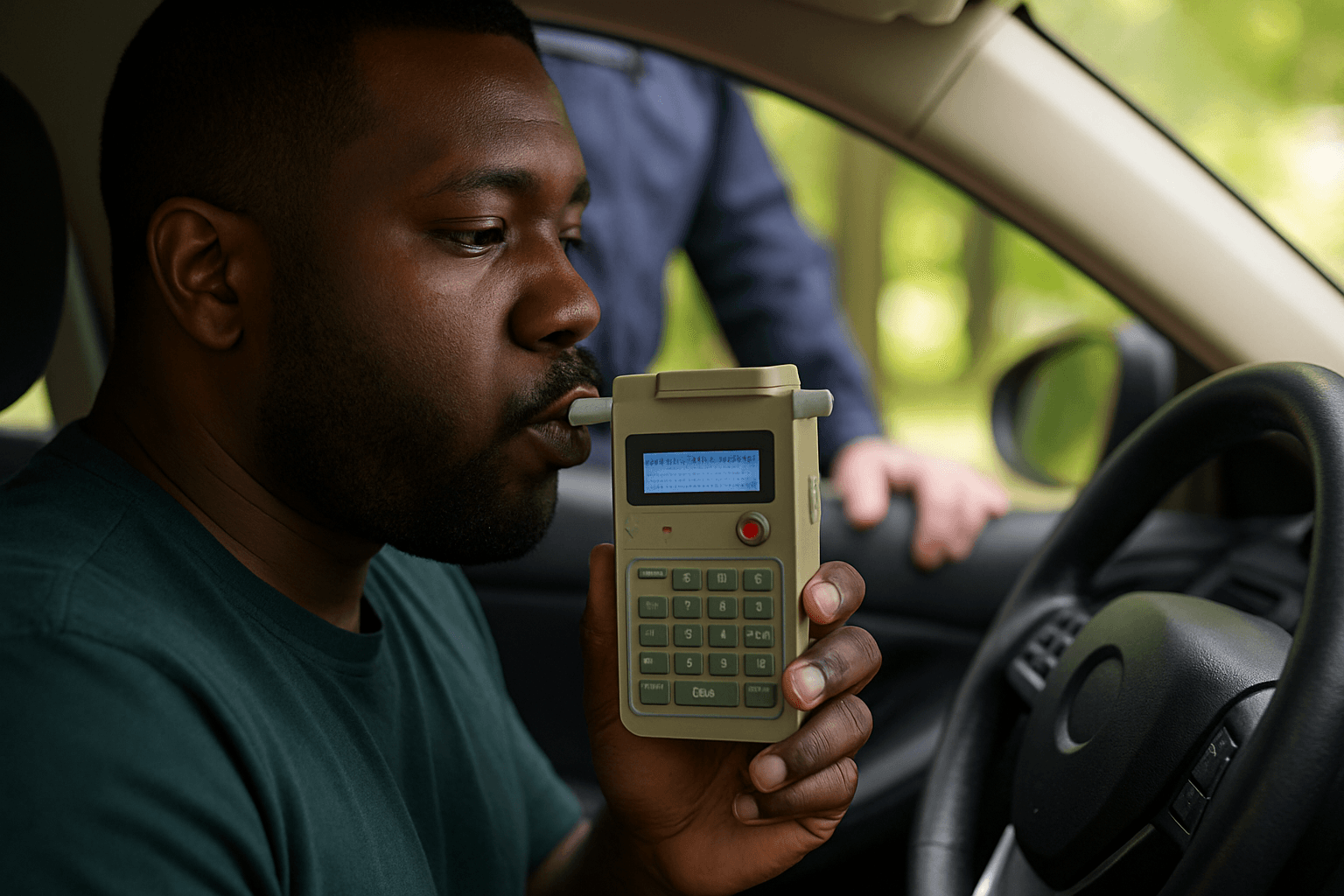
IID costs add $1,050-1,350 over a 12-month conditional period ($150 install + $900-1,200 monitoring). New York requires IID for all alcohol-related suspensions, and the device stays until your full license reinstates. Total first-year cost for conditional license with IID: $2,100-2,700. Without IID (non-alcohol suspensions): $1,050-1,200.
What waiting out the suspension actually costs you
A 90-day full suspension means 90 days without legal driving to work unless you live on a subway line or your employer accommodates remote work. The median New York commuter earning $52,000 annually loses $11,700 in wages over 90 days if termination occurs. Even partial income loss — reduced hours, demotion to non-driving role, gig work replacing salaried position — runs $4,000-8,000 for a typical suspension period.
Rideshare, subway, and taxi costs for work commutes average $18-30 daily in New York metro areas. Over 90 days, that's $1,620-2,700 just maintaining employment without driving. Add groceries, medical appointments, and childcare trips, and non-driving transportation costs often exceed the conditional license cost before the suspension ends.
Employers terminate or demote drivers who lose driving privileges at rates near 40% for roles requiring regular travel, even within boroughs. If your job requires client visits, deliveries, or multi-site coverage, waiting out the suspension is a voluntary income cliff unless your employer explicitly agrees to accommodate you.
Compare car insurance rates in your state
Get quotes from licensed carriers — no obligation, no spam, results in minutes.
Get Your Free Quote✓ No Obligation Required✓ Licensed Carriers Only✓ Available Nationwide✓ Free to Compare
When the conditional license makes financial sense
Apply for the conditional license if your job requires driving and your employer will not hold your position through a full suspension. The $2,100-2,700 first-year cost is a fraction of lost wages for any salaried position, and you maintain your employment record without a termination gap.
Conditional licenses also make sense for drivers supporting dependents who need transportation to school, medical care, or childcare. New York allows conditional driving for work, school, medical appointments, and court-ordered obligations. The approved purposes cover most family logistics that break down without a car.
Skip the conditional license only if you work remotely, live on transit lines that cover all your regular destinations, and your suspension period is under 60 days. Short suspensions with no employment risk and low transportation替代 costs favor waiting. Everyone else: the conditional license is cheaper than the alternative.
How to apply for New York's conditional license without delays
New York requires a DMV hearing to grant conditional privileges. Schedule your hearing within 5 business days of receiving your suspension notice — hearing dates book 3-6 weeks out, and the clock on your suspension starts immediately whether you have the conditional license or not.
Bring employment verification (letter from employer on company letterhead stating your work hours, address, and need for driving), proof of enrollment if you're a student, medical appointment documentation if relevant, and court documents showing your suspension order. Missing any required document at the hearing means automatic denial and a rescheduled hearing 4-8 weeks later.
SR-22 filing must be active before the DMV issues your conditional license. Contact a non-standard carrier (Bristol West, Dairyland, Direct Auto, The General) immediately after your suspension notice. Filing takes 3-7 business days to process with the DMV, and you cannot drive under conditional privileges until the SR-22 shows active in the state system. Waiting until after your hearing to file SR-22 adds another week of non-driving time after approval.
Carrier availability and SR-22 premium reality for conditional license holders
New York's SR-22 market limits you to non-standard carriers. State Farm, GEICO, Allstate, and Progressive either non-renew after suspension or quote rates 200-300% higher than non-standard specialists. Expect quotes from 4-6 carriers maximum, compared to 15-20 options for clean-record drivers.
Your SR-22 premium stays elevated for the entire filing period even after your conditional license converts to full reinstatement. A 6-month DWI suspension means 6 months of SR-22 rates, and most carriers hold that higher rate for 3-5 years post-reinstatement as the violation ages off your record.
Non-owner SR-22 policies cost $400-700 annually if you don't own a vehicle but need conditional driving privileges for work using an employer or family vehicle. This route works for New York City residents who relied on car-sharing or employer vehicles pre-suspension. The non-owner policy satisfies the SR-22 requirement without insuring a specific car.
What happens if you violate conditional license restrictions
New York revokes your conditional license immediately for any violation of approved purposes, hours, or routes. A single stop outside your approved driving window — even 10 minutes past your stated work end time — triggers revocation and extends your underlying suspension by the full original period.
Driving without a valid conditional license or after revocation is aggravated unlicensed operation in New York, a misdemeanor carrying up to 180 days jail, $500-5,000 fines, and vehicle impoundment. Your suspension clock resets to zero, meaning a 90-day suspension becomes 180+ days if you're caught driving illegally.
IID violations (failed start test, circumvention attempt, missed calibration) report directly to DMV within 48 hours and revoke your conditional privileges. You lose the license and the $1,000+ you spent on IID installation and monitoring. Conditional privileges are narrow and unforgiving — follow every restriction exactly as written on your DMV order.