You've lost your full license in New York and need to get to work. Here's when to fight for a conditional license and when public transit keeps you compliant without the court battle.
New York's conditional license isn't automatic, and the timeline works against you
New York DMV requires a 30-day waiting period after your full license suspension before you can apply for a conditional license. Then you wait 2-4 weeks for a hearing date. Then, if approved, you have 7 days to file SR-22 and pay reinstatement fees before the conditional privilege activates.
That's 6-10 weeks minimum from suspension to legal driving. Your employer typically gives you 2-3 weeks.
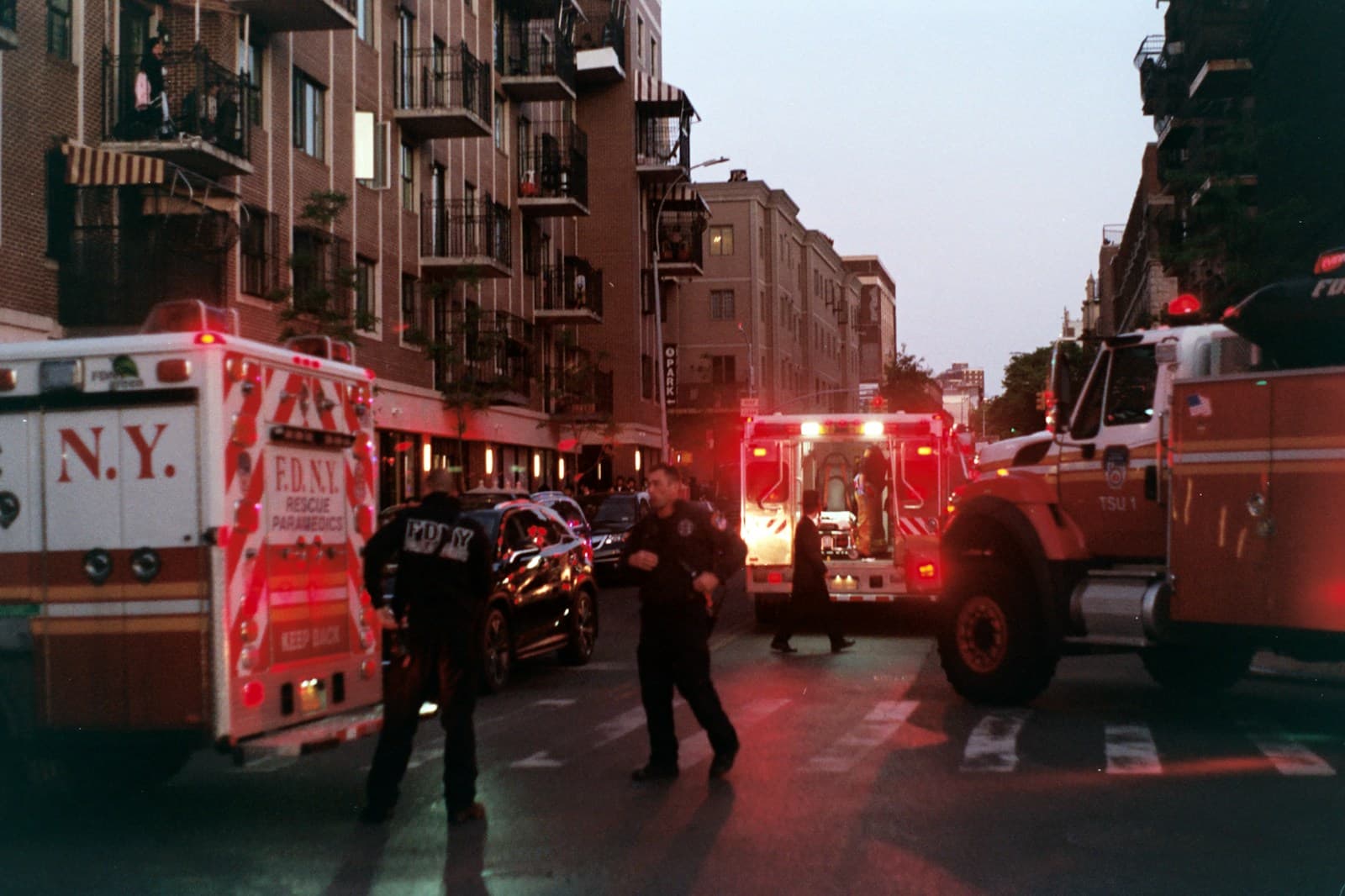
Public transit in the New York metro area runs 24/7 in NYC, with commuter rail covering Westchester, Nassau, Suffolk, and parts of the Hudson Valley. If your job is accessible by MTA subway, Metro-North, or LIRR, you're back at work in days, not months. The conditional license path makes sense when transit can't reach your job site or when your work hours fall outside service windows.
When the conditional license is worth the fight: job sites transit doesn't serve
Apply for the conditional license if your job requires driving as the primary duty (delivery, sales routes, ride-share) or if your workplace sits outside MTA and commuter rail coverage. Upstate New York, rural Long Island, and outer counties have limited or no public transit.
You'll need an employer affidavit on company letterhead stating your work address, required hours, and confirmation that your job depends on your ability to drive. New York DMV reviews this at your hearing. Approval rates for first-offense DUI applicants with legal representation run 60-70%. Without representation, approval drops below 40%.
The conditional license restricts you to work, school, medical appointments, and court-ordered programs. Approved hours only. If your employer changes your shift or location after approval, you file an amendment with DMV, which takes another 2-3 weeks. Driving outside approved hours revokes the conditional license and extends your underlying suspension by 90 days.
Compare car insurance rates in your state
Get quotes from licensed carriers — no obligation, no spam, results in minutes.
Get Your Free Quote✓ No Obligation Required✓ Licensed Carriers Only✓ Available Nationwide✓ Free to Compare
SR-22 filing requirements attach to both paths, but timing differs
New York requires SR-22 filing for 3 years after DUI conviction, whether you use a conditional license or rely on transit. The difference is when you must file.
Conditional license applicants must file SR-22 within 7 days of approval to activate the license. That means securing high-risk SR-22 coverage before you can legally drive. Monthly premiums typically run $180-$280/mo for minimum liability with SR-22 endorsement in New York.
If you're using transit and not driving at all, you need non-owner SR-22 insurance, which covers you as a passenger or occasional driver without requiring vehicle ownership. Non-owner SR-22 premiums run $60-$120/mo in New York, and you maintain your 3-year filing requirement without paying for vehicle coverage you're not using.
Cost comparison: conditional license path vs transit reliance
Conditional license total costs in New York: $75 conditional license application fee, $50-$100 DMV reinstatement fee, $180-$280/mo SR-22 insurance for 36 months, $300-$1,200 attorney fee for hearing representation. Total first-year cost: $2,700-$4,800.
Transit reliance total costs: $60-$120/mo non-owner SR-22 insurance for 36 months, $132/mo unlimited MTA MetroCard ($1,584/year), or $350-$450/mo Metro-North monthly pass for commuter rail zones. Total first-year cost: $2,304-$6,984 depending on transit coverage needed.
The conditional license costs less if you already own a vehicle and need it for work. Transit costs less if you don't own a vehicle and work within MTA coverage. Budget for the SR-22 filing duration: 3 years is $6,480-$10,080 in SR-22 premiums alone, regardless of path.
Violation consequences are unforgiving on a conditional license
New York revokes your conditional license immediately for any moving violation, any driving outside approved hours, or any lapse in SR-22 coverage. Revocation extends your underlying suspension by 90 days and disqualifies you from reapplying for 6 months.
Transit reliance eliminates that risk entirely. You're not driving, so you can't violate driving restrictions. Your SR-22 requirement continues, but you meet it with non-owner coverage.
If your job is accessible by transit and your record includes multiple violations or prior conditional license revocations, transit is the safer compliance path. One mistake on a conditional license costs you 6-9 months of lost driving privileges.
The decision framework: map your commute first, then decide
Pull up MTA Trip Planner, Metro-North, and LIRR schedules. Enter your home address and work address. Check total commute time for your actual shift hours, including weekends if applicable.
If total commute time is under 90 minutes each way and service runs during your required hours: transit works. Save the conditional license cost and avoid the hearing process.
If no transit route exists, if commute time exceeds 2 hours each way, or if your work requires driving: file for the conditional license. Budget 6-10 weeks and $2,700-$4,800 first-year cost. Hire an attorney for the hearing if this is your first application.
Your 3-year SR-22 requirement runs regardless of which path you choose. The question is whether you need to drive legally or whether transit keeps you employed without the conditional license restrictions.