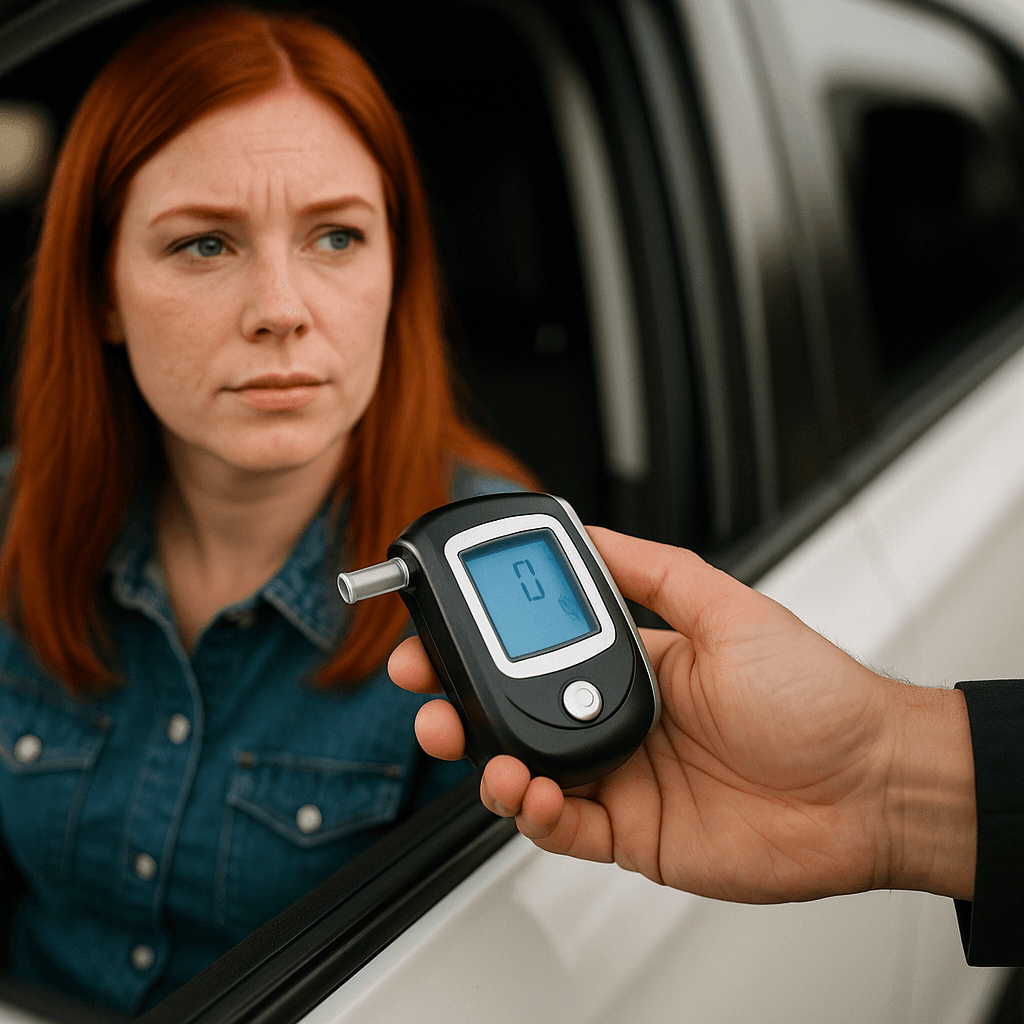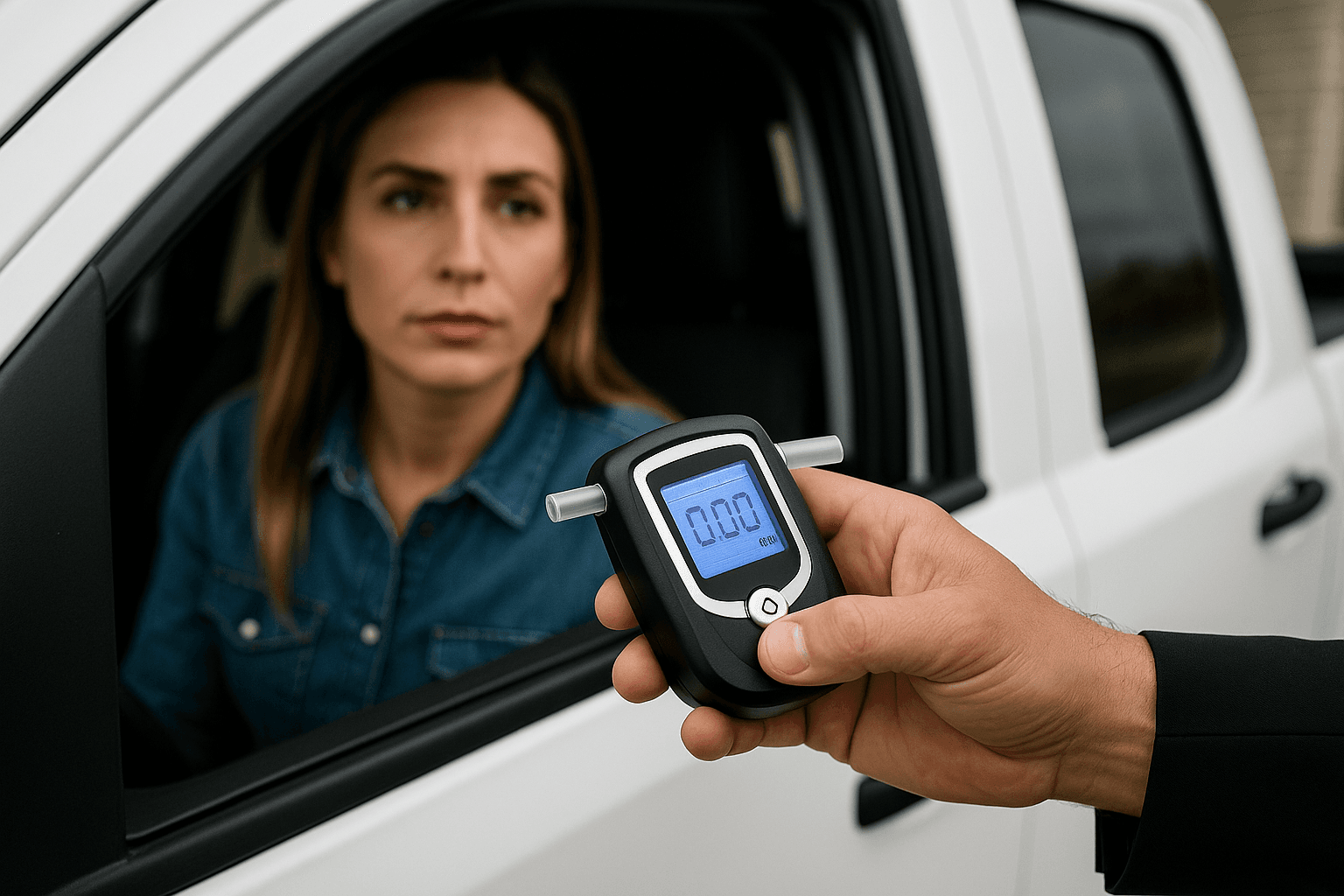
Arizona's zero-tolerance law means any BAC above 0.00% triggers a DUI for drivers under 21. Here's how to get a restricted license to keep your job while serving your suspension.
Arizona's Zero-Tolerance Law Creates Two Separate Suspension Tracks for Drivers Under 21
Arizona's zero-tolerance statute (A.R.S. § 4-244.34) suspends your license for any detectable BAC if you're under 21, even 0.01%. That's the criminal charge. But the DMV runs a parallel Administrative Per Se suspension based on the standard 0.08% threshold used for adult DUIs. If your BAC was between 0.01% and 0.07%, you face only the zero-tolerance suspension. If it was 0.08% or higher, both suspensions run concurrently, and the Administrative Per Se timeline controls your restricted license eligibility.
Most drivers under 21 don't realize they're navigating two separate proceedings until they miss the 15-day window to request an Admin Hearing. The zero-tolerance suspension is automatic and handled through Juvenile Court or Criminal Court depending on your age. The Admin Per Se suspension is a civil action you contest directly with the MVD's Administrative Hearing Office.
The restricted license application process depends on which suspension track applies. Zero-tolerance-only cases allow immediate application after the first 30 days of suspension. Admin Per Se cases at 0.08% or above require completion of a Traffic Survival School and alcohol screening before restricted privileges are granted.
What a Restricted License Covers in Arizona After an Under-21 DUI
Arizona calls it a "special ignition interlock restricted driver license" for DUI-related suspensions. You're allowed to drive only to and from work, school, DUI program appointments, medical appointments, and court-ordered obligations. Routes and hours must match your filed employer verification and school enrollment documentation.
The MVD does not allow grocery runs, childcare pickups outside of approved hours, or social driving. Deviation from approved purposes or hours is a Class 1 misdemeanor and triggers immediate revocation of the restricted license plus extension of your underlying suspension period.
Ignition interlock device (IID) installation is mandatory for all restricted licenses issued after a DUI, even zero-tolerance cases under 0.08% BAC. You pay for installation (typically $70–$150), monthly monitoring ($60–$90/month), and calibration appointments every 30–60 days. The IID must remain installed for the full restricted license period, which matches your suspension duration.
Compare car insurance rates in your state
Get quotes from licensed carriers — no obligation, no spam, results in minutes.
Get Your Free Quote✓ No Obligation Required✓ Licensed Carriers Only✓ Available Nationwide✓ Free to Compare
How to Apply for a Restricted License After a Zero-Tolerance DUI in Arizona
You apply directly through the MVD Motor Vehicle Division Administrative Hearing Office, not through the court. First suspension period: 30 days mandatory no-driving for zero-tolerance-only cases, 90 days for Admin Per Se cases at 0.08% or above. After that window closes, you can file for restricted privileges.
Required documentation: completed Application for Ignition Interlock Restricted License (form 40-5257), proof of SR-22 insurance filing, IID installation certificate from an MVD-approved provider, employer verification on company letterhead stating your work schedule and address, school enrollment verification if applicable, and payment for the $20 application fee plus $10 restriction fee. If your case involved 0.08% BAC or higher, add proof of Traffic Survival School completion and alcohol screening results.
The MVD processes applications within 10–15 business days if all documentation is complete. Incomplete applications are rejected without partial credit. Your SR-22 filing must be active before the MVD will issue the restricted license. Most non-standard carriers (Bristol West, Dairyland, GAINSCO, Direct Auto) file SR-22 within 24–48 hours of policy purchase, but you need that confirmation number before submitting your MVD application.
SR-22 Insurance Costs for Drivers Under 21 After a Zero-Tolerance DUI
Arizona requires SR-22 filing for the full suspension period, typically 2 years for a first zero-tolerance offense under A.R.S. § 28-1385. The SR-22 itself is a $25–$50 one-time filing fee, but the underlying non-standard auto insurance policy is where costs hit. Drivers under 21 already face the highest base rates in the market. A zero-tolerance DUI adds 80–140% to those premiums.
Typical monthly cost for minimum liability coverage (15/30/10 limits required in Arizona) after a zero-tolerance DUI: $180–$320/month for drivers aged 18–20. That's $2,160–$3,840 annually. If you need comprehensive and collision coverage because you're financing a vehicle, add another $90–$150/month. Annual total often runs $3,200–$5,600 for full coverage.
Few standard carriers (State Farm, GEICO, Progressive) write new policies for drivers under 21 with a DUI. You'll work with non-standard carriers: Bristol West, Dairyland, GAINSCO, The General, Direct Auto, Acceptance, or Kemper. These carriers specialize in high-risk SR-22 cases but charge accordingly. Shop at least three quotes. Rate spread between highest and lowest can exceed 40% for the same coverage.
Total Cost to Get Back on the Road After an Under-21 Zero-Tolerance DUI
License reinstatement and restricted license costs stack quickly. MVD application fees: $30 total ($20 application, $10 restriction). IID installation: $70–$150 upfront. IID monthly monitoring: $60–$90/month for 12–24 months depending on suspension length. SR-22 filing fee: $25–$50. First month's SR-22 insurance premium: $180–$320. Traffic Survival School (required for 0.08%+ cases): $30–$50. Alcohol screening: $50–$100.
First-month total before monthly recurring costs: $435–$690. Monthly recurring costs while on restricted license: $240–$410 (insurance + IID). Over a 12-month restricted license period, total cost typically runs $3,315–$5,610. Over 24 months: $6,195–$10,530. This does not include court fines, attorney fees, or DUI program costs mandated by your criminal case.
Most carriers require the full annual premium paid upfront or in two 6-month installments. Monthly payment plans for SR-22 policies are rare and carry 15–25% financing fees when available. Budget for the full annual cost, not monthly.
What Happens If You Violate Your Restricted License Terms in Arizona
Driving outside approved hours, purposes, or routes is a Class 1 misdemeanor under A.R.S. § 28-1464. Conviction adds up to 6 months in jail, $2,500 in fines, and immediate revocation of your restricted license. The MVD also extends your underlying suspension by the full original suspension period. A 2-year suspension reset to zero means you start the entire 2 years over from the violation date.
IID violations trigger similar consequences. Attempting to start the vehicle with BAC above 0.00%, tampering with the device, or missing calibration appointments all generate lockout codes and violation reports sent directly to the MVD. Three violations in a rolling 12-month period revoke your restricted license and reset your suspension clock.
SR-22 lapse is the most common failure mode. If your carrier cancels your policy for non-payment or you cancel coverage yourself, they notify the MVD within 15 days. The MVD suspends your restricted license immediately and will not reinstate it until you file a new SR-22 and pay a $50 reinstatement fee. The lapse also restarts your SR-22 filing period to zero in Arizona. A 2-year requirement becomes 4 years if you lapse halfway through.
How Long You'll Carry SR-22 and Restricted License Requirements
First offense zero-tolerance DUI: 2 years SR-22 filing, restricted license available after 30 days mandatory suspension, IID required for remaining 23 months. Second offense or 0.08%+ BAC: 3 years SR-22 filing, restricted license available after 90 days mandatory suspension, IID required for remaining 33 months. Refusal to submit to chemical testing: 1 year license suspension, no restricted privileges for first 12 months, SR-22 required for 3 years after reinstatement.
The SR-22 filing period runs from your suspension start date, not your restricted license approval date or your full reinstatement date. If you wait 6 months to apply for a restricted license, you still owe the full SR-22 period from the original suspension. Delaying the restricted license application does not shorten your SR-22 obligation.
Once your suspension period ends and you've completed all SR-22 filing requirements, you apply for full license reinstatement through the MVD. Reinstatement fee: $10. The IID restriction is removed, and you can request standard insurance quotes. Most carriers re-evaluate DUI surcharges after 3–5 years. Expect elevated rates for at least 5 years from the conviction date.