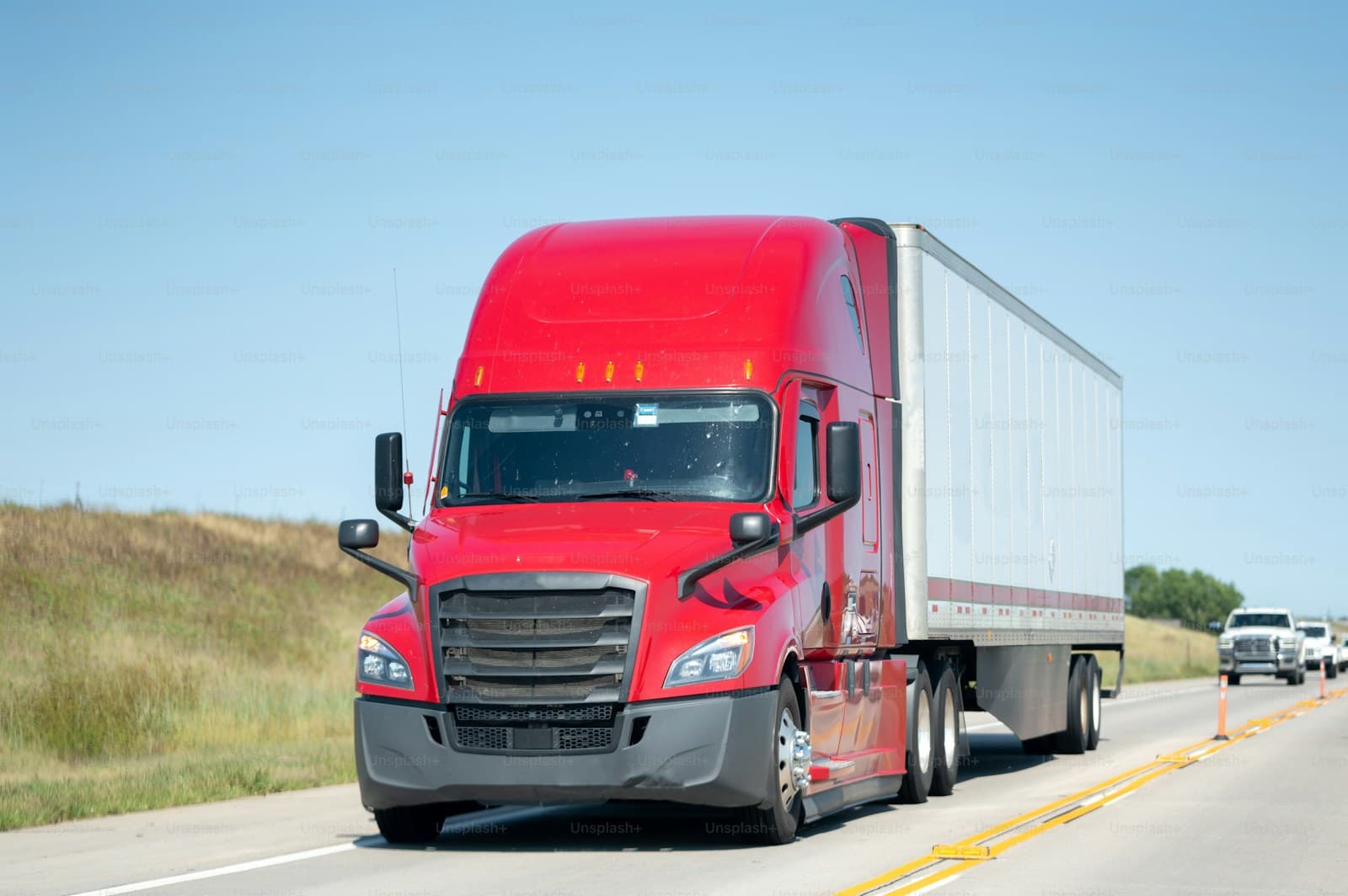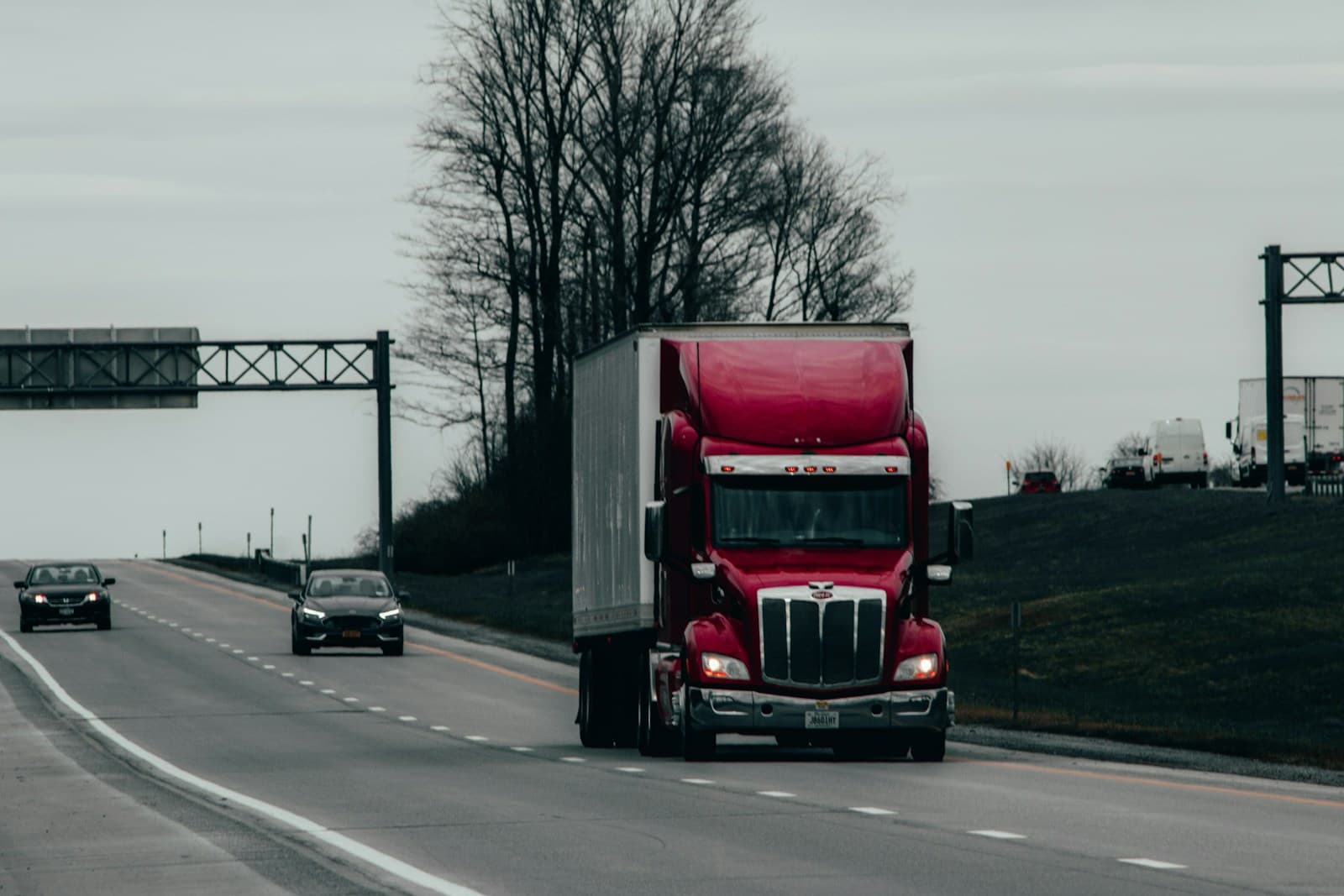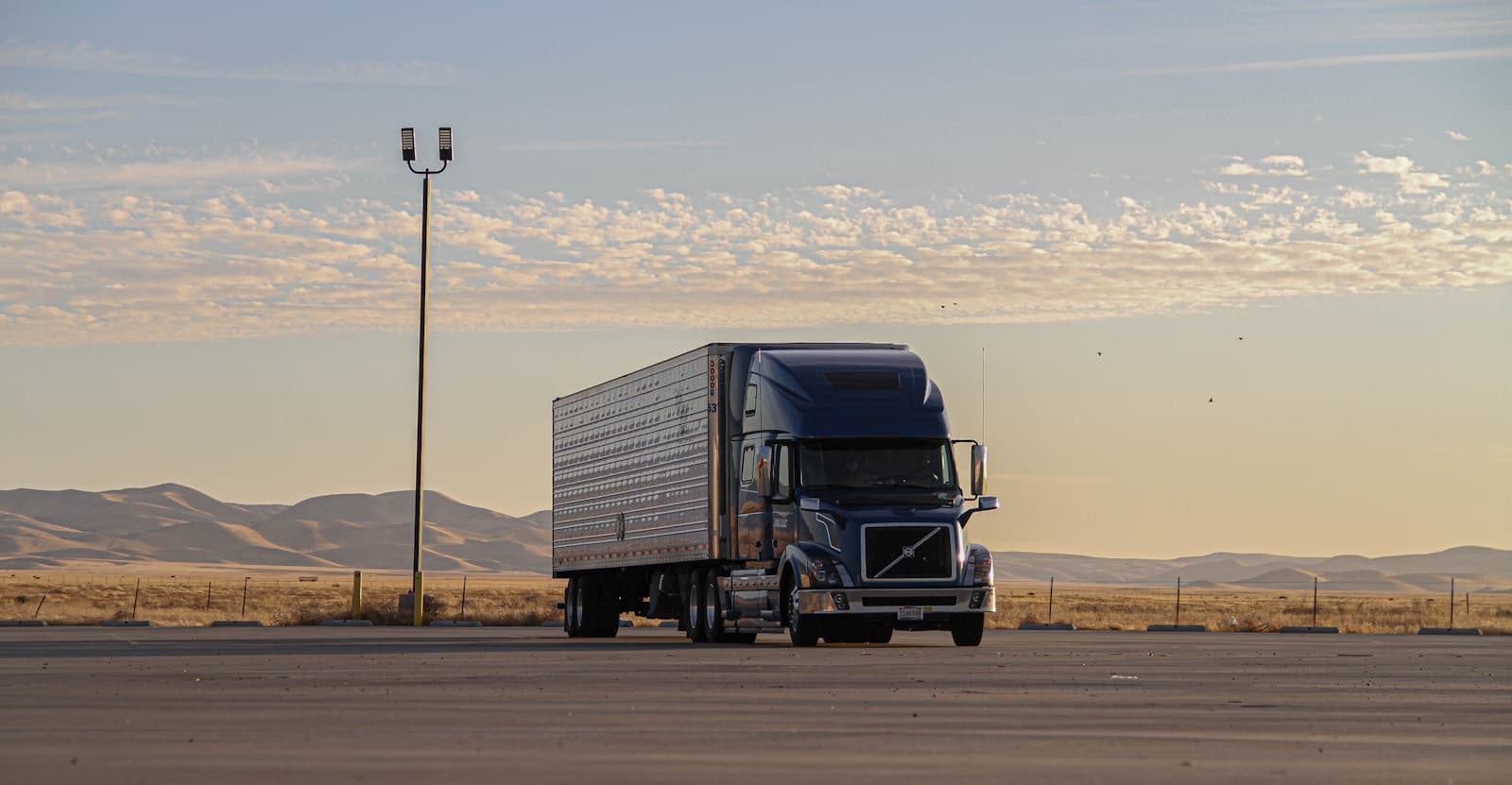
Arizona grants CDL holders restricted licenses for work driving after DUI—but only for personal vehicles. Commercial driving remains prohibited during the restriction period, even for the same employer.
Arizona Restricted Licenses Allow Personal Driving Only—Not Commercial Operation
Arizona issues restricted driving privileges to CDL holders after DUI conviction, but the restriction applies to personal vehicle operation only. You cannot drive any vehicle requiring a CDL during the restriction period, even for the employer listed in your application. This means school buses, tractor-trailers, passenger vans, hazmat vehicles, and any vehicle over 26,001 pounds remain off-limits until you complete full license reinstatement.
Most CDL holders assume the restricted license covers work driving if their employer is approved. It does not. Arizona Revised Statutes §28-1402 permits restricted driving privileges for employment purposes, medical appointments, and court-ordered obligations—but only in vehicles you can legally operate with a standard Class D license. Your CDL remains valid on paper but unusable in practice.
This creates a gap period where you can drive to your CDL job site in a personal vehicle but cannot perform the commercial driving your job requires. Drivers who attempt commercial operation during restriction face immediate revocation of the restricted license, extension of the underlying suspension, and potential criminal charges for operating without proper credentials. Arizona MVD treats commercial operation during restriction as driving on a suspended license, not a restriction violation—the penalty structure is significantly harsher.
Eligibility for Restricted License Requires 30-Day Waiting Period for First DUI
Arizona requires a 30-day hard suspension before you can apply for restricted driving privileges after a first DUI. The waiting period starts from your suspension effective date, not your arrest date or conviction date. During these 30 days, no driving is permitted for any purpose.
Second or subsequent DUI offenses carry longer waiting periods. A second DUI within 84 months requires 90 days before restricted license eligibility. Extreme DUI (BAC .15 or higher) on a first offense requires 45 days. Aggravated DUI (DUI while license suspended, third DUI within 84 months, or DUI with a child under 15 in the vehicle) typically results in a one-year revocation with no restricted driving option during the first six months.
The MVD will not accept your restricted license application before the waiting period expires. Applications submitted early are denied without refund of the $50 application fee. Most CDL holders who need to return to work quickly discover the 30-day window is non-negotiable—court orders do not override it, and employer hardship letters do not accelerate it.
Compare car insurance rates in your state
Get quotes from licensed carriers — no obligation, no spam, results in minutes.
Get Your Free Quote✓ No Obligation Required✓ Licensed Carriers Only✓ Available Nationwide✓ Free to Compare
Approved Destinations Must Be Named and Address-Specific in Your Court Order
Arizona restricted licenses operate by approved destination, not general purpose categories. Your application must list specific street addresses for work, medical providers, DUI education programs, ignition interlock service centers, and any other approved locations. The court order or MVD approval letter will reference these addresses explicitly—deviation from listed addresses during approved hours still constitutes unlicensed driving.
Most CDL holders work routes, not fixed locations. If your job requires driving to multiple customer sites, job sites, or delivery points, the restricted license structure does not accommodate that operational reality. Arizona does not issue "general work driving" privileges. Each destination requires separate approval, and most courts cap approved destinations at five to seven addresses to prevent unrestricted driving under the guise of work necessity.
This limitation forces CDL holders into a choice: apply for restricted privileges that cover commuting to a fixed employer office or depot but not the commercial driving work itself, or wait out the full suspension period before returning to route-based work. Drivers who list customer addresses as approved destinations without disclosing the commercial driving component risk restriction revocation when MVD discovers the mismatch during compliance review.
Ignition Interlock Device Required for All DUI-Related Restricted Licenses
Arizona mandates ignition interlock installation on any vehicle you operate under restricted driving privileges after DUI. The device must remain installed for the full restriction period—typically 12 months for first DUI, 24 months for second DUI within 84 months, and 36 months for aggravated DUI cases.
Installation costs run $100–$150, with monthly monitoring and calibration fees of $75–$100. Total ignition interlock expense over a 12-month restriction period typically reaches $1,000–$1,350. Arizona-certified interlock providers include LifeSafer, Intoxalock, Smart Start, and Guardian Interlock. Your restricted license approval requires proof of installation before MVD issues the physical restricted license card.
The interlock requirement applies even if you do not own a vehicle. CDL holders who plan to commute to work in a spouse's vehicle, a company vehicle, or a borrowed vehicle must install the device in that specific vehicle or obtain a non-owner restricted license that limits you to interlock-equipped rental vehicles only. Most rental companies do not permit interlock installation, which effectively eliminates the non-owner restricted license path for CDL holders who need daily work transportation.
SR-22 Filing Adds $50–$80 Monthly to Your Insurance Premium
Arizona requires SR-22 filing for all DUI-related restricted licenses. The SR-22 is a liability insurance certificate your carrier files directly with MVD to prove continuous coverage. Filing costs typically add $25–$50 as a one-time processing fee, with the larger cost impact coming from the non-standard insurance premium required after DUI.
Post-DUI insurance premiums for CDL holders typically run $150–$280 per month for minimum liability coverage (15/30/10 limits in Arizona). Carriers specializing in post-suspension coverage include Bristol West, Dairyland, GAINSCO, The General, and Direct Auto. Standard carriers like State Farm, Geico, and Progressive either decline DUI risks entirely or price them 250–400% above clean-record rates.
The SR-22 must remain on file for three years from your reinstatement date in Arizona. If your policy lapses or cancels during the SR-22 period, your carrier notifies MVD within 10 days, triggering automatic suspension of your restricted license and restarting the SR-22 clock. Most CDL holders discover the SR-22 filing requirement only after applying for restricted privileges, then face sticker shock when they request quotes from the limited carrier pool willing to write post-DUI policies.
Full CDL Reinstatement Requires Completion of DUI Education and Substance Abuse Screening
Arizona MVD requires completion of Traffic Survival School (TSS) or an approved DUI education program before reinstating full driving privileges. First DUI offenders complete an 8-hour TSS course or 16-hour DUI screening and education program, depending on court assignment. Second and subsequent DUI offenses require 36-hour intensive substance abuse education.
Program costs range from $300 for TSS to $1,200+ for 36-hour programs. Completion certificates must be submitted to MVD along with payment of reinstatement fees ($250 for first DUI, $500 for subsequent DUI), proof of SR-22 filing, and proof of ignition interlock compliance before full license reinstatement is processed.
CDL holders face an additional federal disqualification period. Federal Motor Carrier Safety Administration regulations impose a one-year CDL disqualification for first DUI in any vehicle, two years if the DUI occurred while operating a hazmat vehicle, and lifetime disqualification for second DUI. Arizona MVD processes state license reinstatement, but your CDL commercial driving privileges remain disqualified under federal law for the full federal period—state reinstatement does not override federal CDL disqualification timelines.
Non-Owner SR-22 Coverage Works Only If You Genuinely Own No Vehicle
CDL holders who do not own a personal vehicle can obtain non-owner SR-22 insurance for $50–$90 per month. This policy provides liability coverage when you drive a vehicle you do not own—typically a spouse's car, a friend's car, or a borrowed vehicle.
Non-owner policies do not cover vehicles you have regular access to. If your spouse's vehicle is titled in both names, or if you live in the household where the vehicle is registered, carriers classify you as a regular operator and require a standard policy, not a non-owner policy. Misrepresenting vehicle access to obtain cheaper non-owner coverage results in claim denial and SR-22 filing cancellation.
Non-owner SR-22 coverage does not satisfy ignition interlock requirements unless the vehicle you plan to drive already has an interlock installed. Most CDL holders who attempt the non-owner path discover that coordinating interlock installation in a vehicle they do not own creates liability and logistical barriers that eliminate any cost savings from the non-owner premium discount.