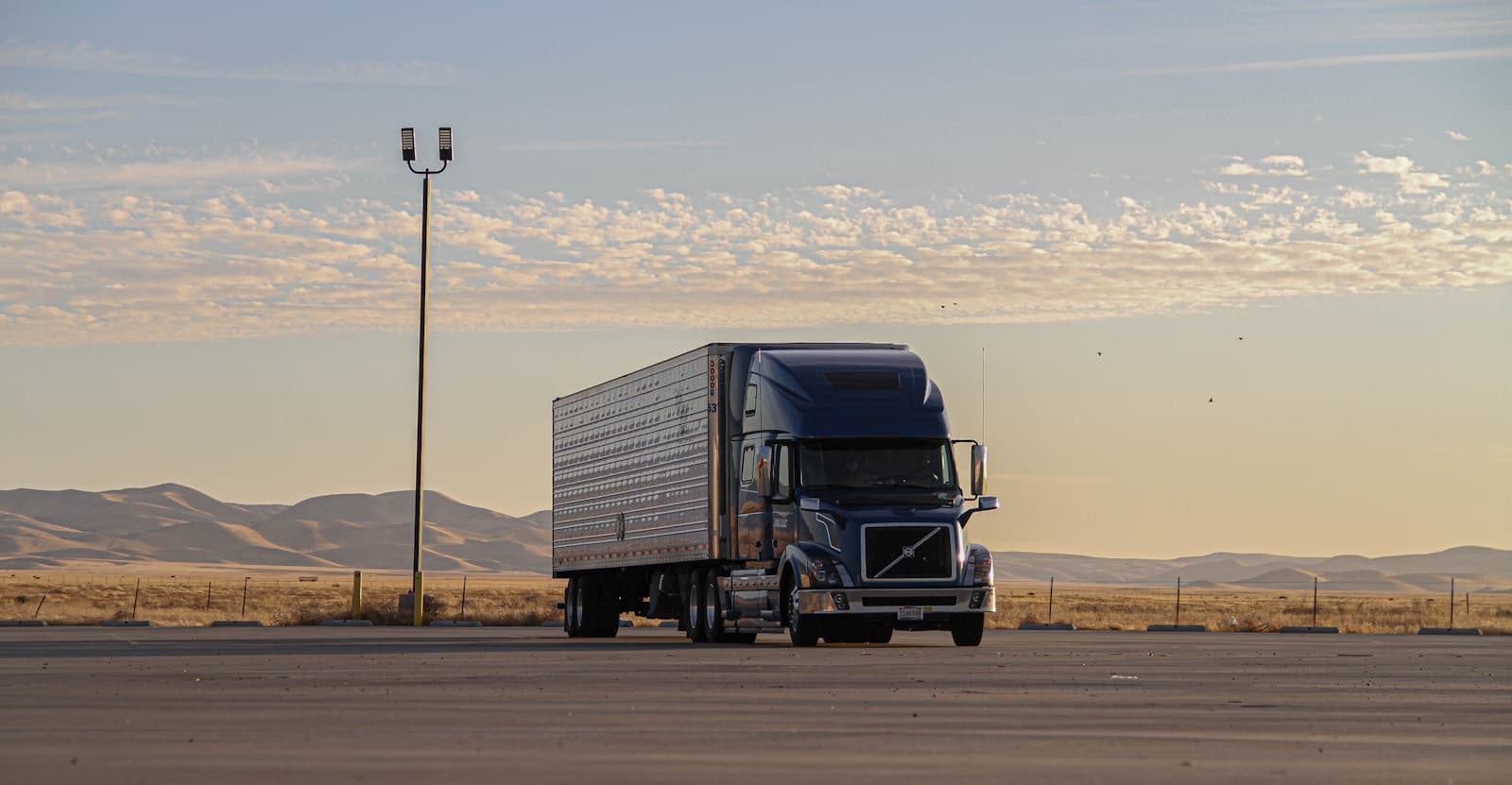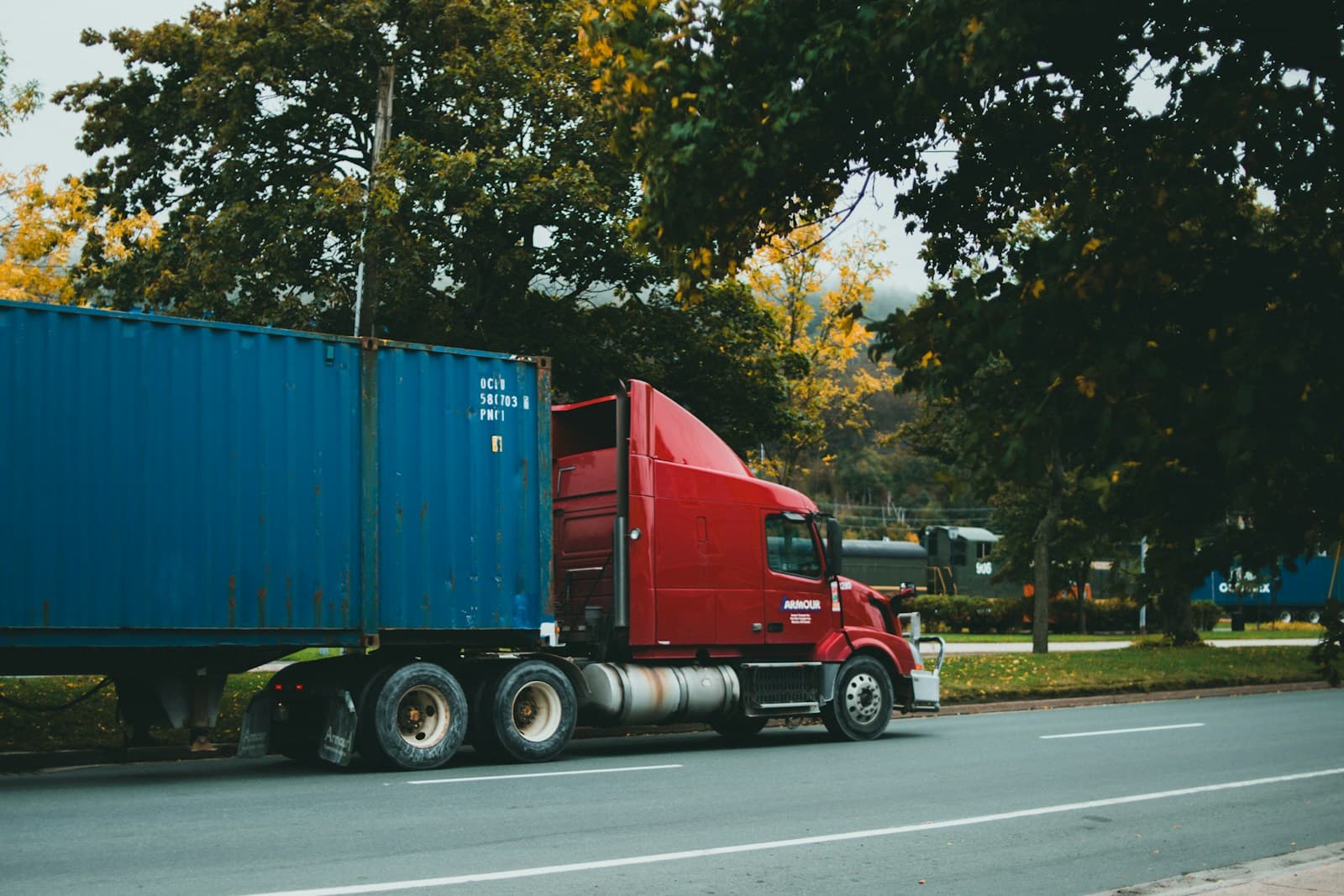
Arizona law prohibits commercial drivers from using work permits or restricted licenses to operate commercial vehicles during a suspension. If you hold a CDL and need to drive for work, you face a complete commercial driving ban until your suspension ends and your full privilege is reinstated.
Arizona Restricts Commercial Driving Privilege Separately from Personal Driving
Arizona issues restricted licenses for personal vehicle operation only. If your license suspension affects your CDL, you cannot use a restricted license to operate commercial vehicles, even if your job depends on it.
Arizona Revised Statute 28-144 defines restricted licenses as permits for essential personal driving: commuting to work in a personal vehicle, medical appointments, school, and childcare. The statute does not extend commercial driving privileges. Your CDL remains suspended for the full duration, regardless of hardship.
This means a CDL holder who drives a commercial truck, bus, or delivery vehicle for a living cannot use Arizona's work permit system to maintain employment. The restricted license lets you drive to work in your personal car, but it does not let you drive commercially once you arrive.
Federal CDL Disqualification Rules Override State Hardship Programs
Federal Motor Carrier Safety Administration regulations impose mandatory CDL disqualification periods for specific violations. Arizona cannot override these federal minimums with state-level restricted licenses.
A first DUI in a commercial vehicle triggers a one-year CDL disqualification under 49 CFR 383.51. A second DUI results in lifetime disqualification. Arizona's restricted license program does not apply to these federal disqualifications because state hardship relief cannot restore a federally suspended commercial privilege.
Even if your DUI occurred in a personal vehicle, Arizona MVD applies both a personal license suspension and a CDL disqualification. The restricted license may restore personal driving after 30 days with an ignition interlock device, but your CDL remains disqualified for the full federal or state-mandated period.
Compare car insurance rates in your state
Get quotes from licensed carriers — no obligation, no spam, results in minutes.
Get Your Free Quote✓ No Obligation Required✓ Licensed Carriers Only✓ Available Nationwide✓ Free to Compare
What Happens to Your CDL During a Personal License Suspension
Arizona treats CDL holders more strictly than non-commercial drivers. A violation in your personal vehicle triggers both a personal license action and a separate CDL review.
If you receive a DUI in your personal car, Arizona MVD suspends your personal driving privilege for 90 days on a first offense. You can apply for a restricted license after 30 days with ignition interlock installation. However, the same DUI triggers a one-year CDL disqualification. The restricted license does not shorten or modify the CDL disqualification period.
You can drive your personal vehicle under the restricted license, but you cannot drive commercially for the full disqualification period. Most CDL-dependent jobs cannot accommodate a driver restricted to personal vehicles only.
SR-22 Filing Applies to Both Personal and Commercial Privileges
Arizona requires SR-22 filing for DUI, at-fault uninsured accidents, and license reinstatement after suspension. If you hold a CDL, SR-22 filing applies to both your personal and commercial driving privileges.
You must maintain continuous SR-22 coverage for three years from the date Arizona MVD reinstates your license. A lapse of even one day resets the three-year clock and triggers immediate license suspension. CDL holders pay higher SR-22 premiums than non-commercial drivers because carriers classify them as higher-risk even when the violation occurred in a personal vehicle.
Few carriers write SR-22 policies for CDL holders with recent DUI convictions. Arizona SR-22 coverage for commercial drivers typically requires non-standard carriers like Progressive Commercial, CoverWhale, or BTIS, with monthly premiums ranging from $250 to $450 depending on violation type and driving history.
Employment Consequences for CDL Holders Without Commercial Driving Privileges
Most commercial employers cannot retain a driver who cannot operate commercial vehicles. If your job requires a valid CDL and you lose commercial driving privileges, your employer typically terminates employment or moves you to a non-driving role if one exists.
Arizona's restricted license does not change this outcome. You can drive to another job in your personal vehicle, but you cannot perform the commercial driving functions your CDL employer hired you to do. Some carriers allow CDL holders to work in dispatch, warehouse, or administrative roles during a disqualification period, but these positions are uncommon and typically pay significantly less than driving positions.
CDL holders facing suspension should notify their employer immediately and ask whether non-driving roles exist. Waiting until the suspension takes effect often results in immediate termination without notice.
Reinstatement Process for CDL Holders After Suspension Ends
Arizona requires CDL holders to complete full reinstatement of their personal license before reapplying for CDL privileges. You cannot reinstate your CDL while your personal license remains suspended or restricted.
Reinstatement requires: payment of all MVD reinstatement fees, proof of SR-22 filing, completion of DUI screening and treatment programs if applicable, and ignition interlock installation for at-fault alcohol-related offenses. Once your personal license is fully reinstated, you can apply to restore your CDL by retaking the CDL knowledge and skills tests and paying the CDL reissuance fee.
Total reinstatement costs for CDL holders typically range from $1,800 to $3,500, including MVD fees, SR-22 premiums, ignition interlock costs, DUI program fees, and CDL reissuance fees. Many CDL holders also hire a traffic attorney to navigate the process, adding $1,000 to $2,500 to the total cost.
Alternative Paths for CDL Holders During Disqualification
Some CDL holders transition to non-commercial roles during disqualification periods. Warehouse work, logistics coordination, and route planning positions may allow you to stay employed in the transportation industry without driving commercially.
Others retrain for non-CDL roles entirely. Arizona restricted licenses allow commuting to a new job in a personal vehicle, which can support a career transition during the disqualification period. However, most CDL holders lose significant income during this transition because commercial driving wages typically exceed non-driving wages by 30% to 60%.
A small number of CDL holders relocate to states with different CDL disqualification rules, but this strategy rarely works. Federal CDL disqualifications follow you to any state, and most state-level CDL suspensions are reported through the Commercial Driver's License Information System, which all states access during CDL applications.