New York's habitual offender designation triggers a minimum one-year revocation, but conditional license approval rates vary dramatically based on your violation pattern and county. Here's what actually determines whether you get driving privileges back.
What Habitual Offender Designation Actually Means in New York
New York designates you a habitual offender if you accumulate three alcohol-related convictions within 10 years, or 20 DMV points from moving violations within 25 months. The designation triggers a minimum one-year license revocation, not a suspension — revocation means your license is voided entirely, and you must reapply after the revocation period ends.
The distinction matters for employment. During a suspension, your license still exists and can be reinstated once you meet conditions. During revocation, you hold no valid license at all until DMV approves a new application. Most employers treat revocation as disqualifying for driving roles.
Habitual offender revocation runs consecutively with any other suspension or revocation already in effect. If you're serving a DWI revocation when the habitual offender designation is imposed, the one-year habitual clock starts after the DWI revocation ends — not concurrently.
Conditional License Eligibility: When You Can Apply and What Blocks You
You can apply for a conditional license after serving the first 30 days of your habitual offender revocation if your pattern meets New York's eligibility criteria. The conditional license allows driving only for work, medical appointments, childcare, and court-ordered alcohol programs — not personal errands or social trips.
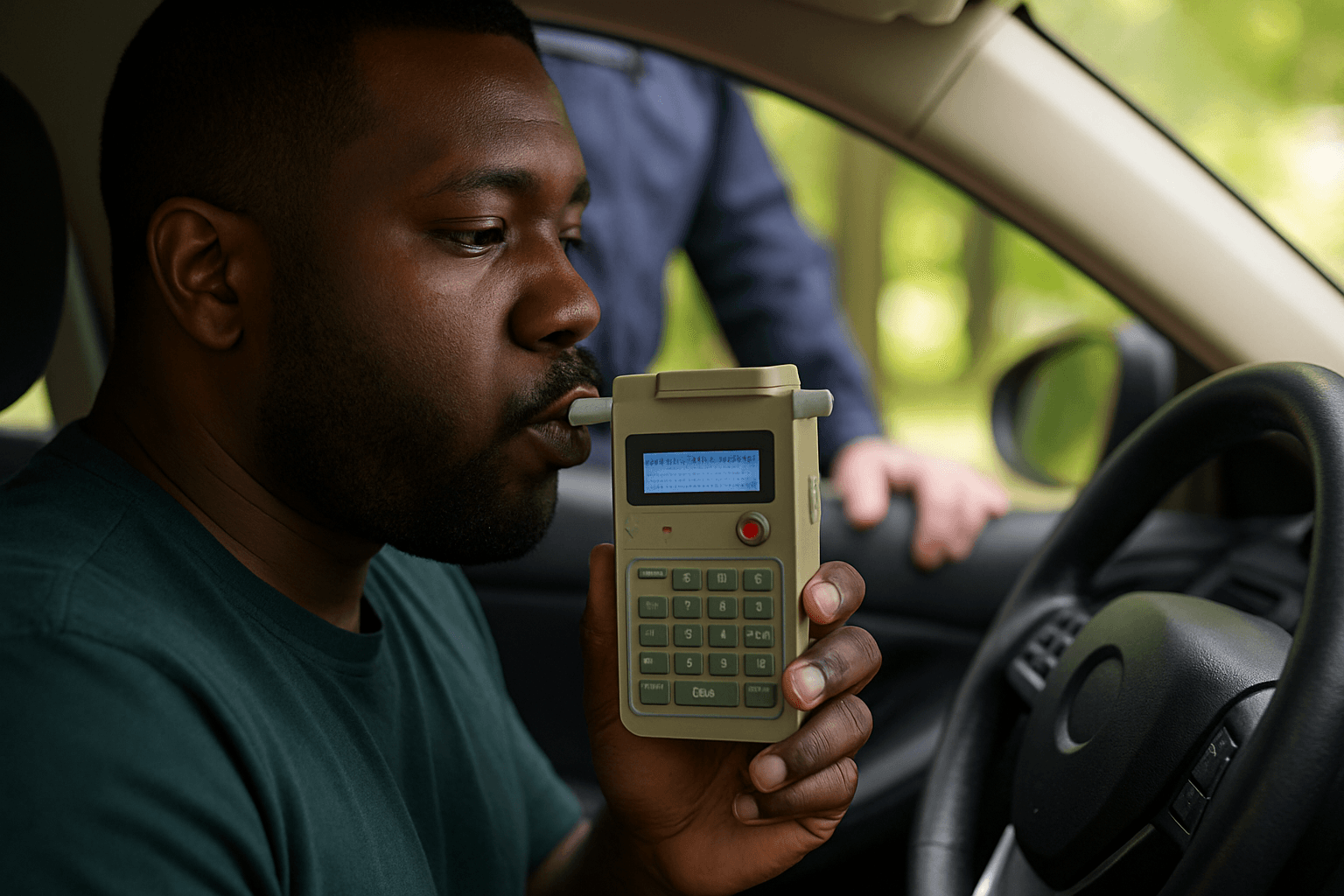
Alcohol-related habitual offenders must install an ignition interlock device (IID) on any vehicle they drive, including employer-owned vehicles, for the conditional license to be valid. IID installation costs $100–$150 upfront, plus $75–$100 monthly monitoring fees. Non-alcohol habitual offenders (point-accumulation-based) are not subject to IID requirements unless a separate DWI conviction triggers it.
You're ineligible for a conditional license if your revocation stems from a felony DWI, if you refused a chemical test during your most recent arrest, or if you have a pending criminal charge related to driving. Refusal violations carry harsher consequences than failed BAC tests under New York law, and DMV hearing officers treat refusal cases as demonstrating non-compliance.
Compare car insurance rates in your state
Get quotes from licensed carriers — no obligation, no spam, results in minutes.
Get Your Free Quote✓ No Obligation Required✓ Licensed Carriers Only✓ Available Nationwide✓ Free to Compare
Application Process: DMV Hearing and What Determines Approval
Conditional license applications require a formal DMV hearing, not administrative approval. You submit Form MV-75C along with proof of SR-22 insurance, employer verification letter, IID installation certificate (if alcohol-related), and $50 application fee. Hearings are scheduled 3–6 weeks after application in most counties, though New York City and Nassau County often run 8–10 weeks due to volume.
The hearing officer evaluates your violation pattern, employment need, completion of any court-ordered programs, and prior conditional license compliance history. Officers have broad discretion. Two drivers with identical violation counts can receive different outcomes based on whether violations show escalating risk (speeding tickets increasing in severity) versus isolated incidents (three unrelated low-speed violations spread over years).
Approval rates vary significantly by county. Upstate counties (Erie, Monroe, Onondaga) report conditional license approval rates near 65–75% for first-time habitual offenders with documented employment need. Downstate counties (New York, Kings, Queens, Nassau, Suffolk) run closer to 40–55%, with hearing officers applying stricter scrutiny to violation patterns and employer documentation.
Conditional License Restrictions: Approved Purposes and Route Limits
New York's conditional license restricts driving to specific purposes: direct travel between home and work, home and medical appointments, home and childcare facilities, and home and court-ordered alcohol treatment programs. No stops for errands, no detours, no personal trips. Violation of purpose restrictions triggers immediate revocation of the conditional license and extends your underlying habitual offender revocation period by six months.
You must carry your conditional license, employer verification letter, and IID compliance log (if applicable) at all times while driving. Law enforcement can request all three documents during any traffic stop. Missing documentation is treated as driving without a valid license — a misdemeanor in New York.
Time restrictions apply unless your employer letter documents shift work requiring off-hours driving. Standard conditional licenses limit driving to 5 AM–9 PM Monday through Saturday. Sunday driving is prohibited unless specifically approved for medical or religious purposes at your hearing. Employers must provide detailed shift schedules, not general statements about work hours.
SR-22 Filing Requirement and High-Risk Insurance Costs
All conditional license holders in New York must maintain SR-22 insurance for the duration of the conditional period plus three years following full license reinstatement. SR-22 is a certificate your insurer files with DMV proving you carry minimum liability coverage: $25,000 bodily injury per person, $50,000 per accident, $10,000 property damage.
Habitual offender SR-22 premiums typically run $200–$400 monthly depending on your violation mix. Alcohol-related habitual offenders pay toward the higher end due to combined DWI and SR-22 surcharges. Point-based habitual offenders without alcohol involvement average $180–$300 monthly. Standard carriers (State Farm, GEICO, Progressive) typically non-renew habitual offenders at policy expiration, forcing you into the non-standard market: Bristol West, Dairyland, The General, GAINSCO, Direct Auto.
Letting SR-22 coverage lapse even one day voids your conditional license immediately and resets your SR-22 filing clock to zero. Most habitual offenders discover the lapse when pulled over — DMV does not send advance warnings when your insurer cancels the SR-22 filing.
Full License Reinstatement After Habitual Offender Revocation Ends
After completing your habitual offender revocation period, you must reapply for a new license — reinstatement is not automatic. The application requires passing written and road tests again unless you held a valid license within the prior two years. Habitual offender revocations frequently exceed two years when stacked with prior DWI or refusal revocations, which means full retesting.
Reinstatement fees total $100 application fee plus $50 re-examination fee if retesting is required. Add $200–$500 for driver's education courses if DMV orders remedial training based on your violation pattern. Total out-of-pocket costs for moving from revocation to conditional license to full reinstatement typically run $2,500–$5,000 when factoring IID installation, SR-22 premiums, hearing fees, and reinstatement costs.
Your SR-22 filing requirement continues for three years after full license reinstatement, not three years from the revocation start date. A habitual offender who serves one year revoked, drives two years on a conditional license, then earns full reinstatement still owes three additional years of SR-22 — six years total SR-22 filing from the initial revocation date.