Texas zero-tolerance DUI triggers an automatic license suspension for drivers under 21, but the state does allow hardship license applications after a mandatory waiting period—if you meet specific court and employment criteria.
What Texas Zero-Tolerance DUI Means for Drivers Under 21
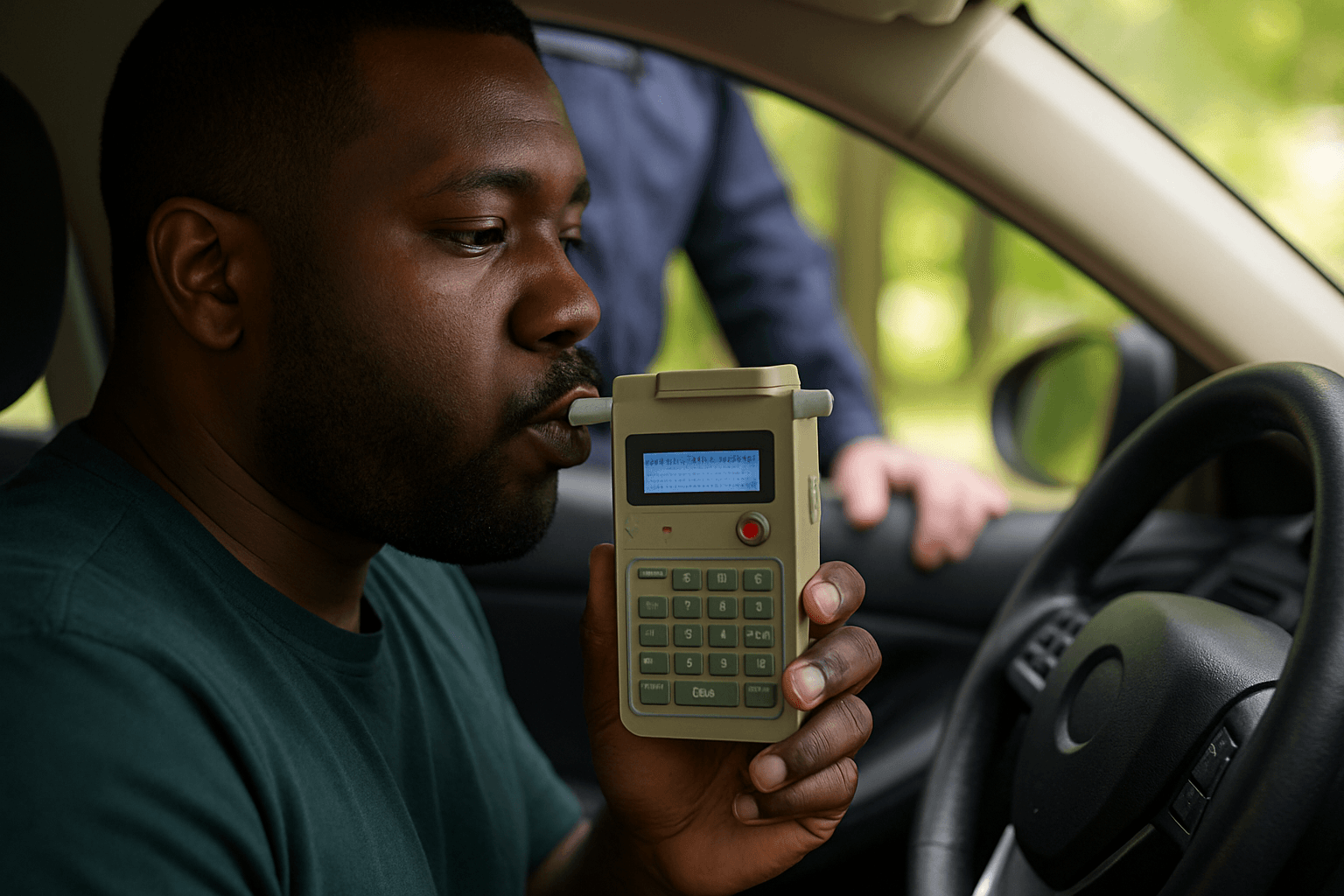
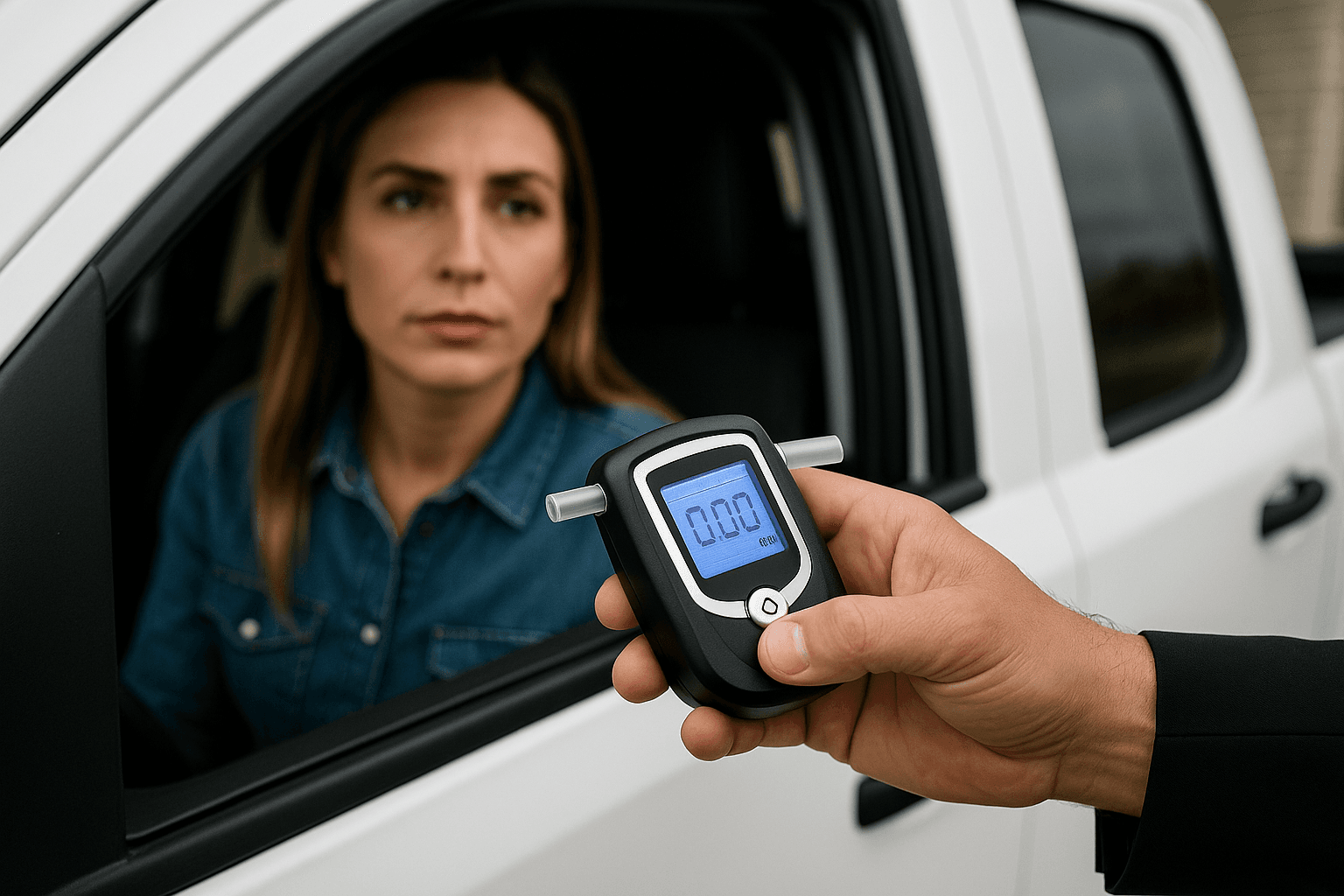
Texas Transportation Code 106.041 sets the legal blood alcohol limit at 0.00% for drivers under 21. Any detectable alcohol triggers an Alcohol-Related Driving While Intoxicated (DWI) offense under zero-tolerance enforcement. The consequence is an immediate 60-day license suspension for first offense, 120 days for second offense, and 180 days if you refuse chemical testing.
The suspension starts when Texas Department of Public Safety (DPS) receives notice of your citation or court disposition. Most under-21 drivers learn about the suspension when they receive a notice letter 10-15 days after the stop, not at the scene. That delay matters because it cuts into your window to apply for occupational relief.
Texas does not treat under-21 DUI as a misdemeanor unless BAC exceeds 0.08% or other aggravating factors apply. Most zero-tolerance cases remain Class C traffic violations. The criminal classification is lighter, but the license consequences and SR-22 filing requirement apply identically.
How Texas Occupational Driver Licenses Work for Under-21 DUI
Texas offers Occupational Driver Licenses (ODL) for drivers facing DUI-related suspensions, including zero-tolerance cases. The ODL allows driving for approved purposes: employment, education, essential household duties, and court-mandated alcohol education programs. You cannot use it for recreational driving, social visits, or unapproved errands.
You must serve a mandatory 30-day absolute suspension period before filing an ODL petition. Texas courts will not waive this period for under-21 zero-tolerance cases. If your suspension is 60 days, you can apply on day 31 for the remaining 30 days. If the suspension is 120 days, you can apply on day 31 for the remaining 90 days.
The ODL application is filed in the county where you were cited or where you reside, depending on jurisdiction. You need a certified driving record from DPS, proof of SR-22 insurance filing, proof of employment or school enrollment, and a petition drafted on Texas-approved forms. Most drivers hire an attorney to prepare and file the petition because procedural errors trigger automatic denials that reset the timeline.
Compare car insurance rates in your state
Get quotes from licensed carriers — no obligation, no spam, results in minutes.
Get Your Free Quote✓ No Obligation Required✓ Licensed Carriers Only✓ Available Nationwide✓ Free to Compare
SR-22 Filing Requirements and the Under-21 Carrier Problem
Texas DPS requires SR-22 filing before issuing an ODL and throughout the duration of the license restriction. SR-22 is not insurance—it is a continuous financial responsibility certificate your carrier files electronically with DPS to prove you maintain liability coverage at or above Texas minimums: $30,000 bodily injury per person, $60,000 per accident, $25,000 property damage.
Most standard carriers (State Farm, GEICO, Progressive, Allstate) will not write new SR-22 policies for drivers under 21 with DUI violations. The handful of non-standard carriers willing to write this risk—Direct Auto, Bristol West, Dairyland, GAINSCO, The General—typically require the driver to be listed on a parent or guardian's policy as a covered driver, not as the primary policyholder. This adds $150–$300/month to the parent's premium in most Texas metro areas.
SR-22 filing itself costs $25–$50 as a one-time carrier fee. The premium increase from the DUI violation and required SR-22 endorsement is where the cost hits. For an under-21 driver in Dallas or Houston with a zero-tolerance DUI, expect total annual premiums of $3,600–$5,400 when added to a parent policy. If the parent's carrier refuses to add the driver, the family must shop the entire household to a non-standard carrier willing to write the SR-22.
What the Hardship Petition Requires and How Long Approval Takes
The ODL petition must include a detailed driving schedule showing approved purposes, destinations, and times. Texas courts approve work, school, medical appointments, childcare, community supervision meetings, and DWI education programs. You cannot request approval for general errands, social activities, or convenience driving.
You must submit proof of SR-22 filing as part of the petition. The court will not schedule a hearing without it. Most county courts in Texas review ODL petitions within 14–21 days of filing and schedule hearings 7–14 days after that. Total timeline from filing to approval: 3–5 weeks if everything is correct the first time. Procedural errors or missing documents reset the timeline to zero.
Once approved, the ODL is valid for the remaining duration of your suspension or up to two years, whichever is shorter. Texas judges set the approval period, not DPS. You must carry the court order, your temporary ODL printout, and proof of SR-22 insurance every time you drive. A traffic stop outside your approved hours or purposes revokes the ODL immediately and extends your underlying suspension.
What an Under-21 ODL Actually Costs in Texas
The full cost of obtaining and maintaining a Texas ODL for an under-21 zero-tolerance DUI includes court filing fees ($125–$175 depending on county), attorney fees ($500–$1,200 for ODL petition preparation and hearing representation), SR-22 filing fee ($25–$50), increased insurance premiums ($150–$300/month added to parent policy), DWI education program ($75–$125 for Texas-approved MINORS course), and DPS reinstatement fee ($125 at the end of suspension). Total first-year cost: $2,500–$4,800.
If your family cannot absorb the premium increase, you face a harder choice. Some under-21 drivers wait out the full suspension rather than pursue an ODL because the SR-22 insurance cost alone exceeds what they can afford. That decision often costs the driver their job or school enrollment, but it is a calculation many families make when a parent's carrier refuses to add the driver and the household cannot afford to move to a non-standard carrier.
Texas does not offer payment plans for SR-22 premiums. Carriers require full monthly payment, and a single missed payment triggers an SR-22 lapse notice to DPS. That lapse revokes your ODL immediately and restarts your suspension from day zero.
How Long You Must Maintain SR-22 After the Suspension Ends
Texas DPS requires SR-22 filing for two years from the date of conviction or the end of your suspension, whichever is later. For a 60-day suspension, you maintain SR-22 for two years from your conviction date. For a 120-day suspension, same rule. The filing period does not shorten based on ODL compliance or clean driving after reinstatement.
If your SR-22 lapses at any point during the two-year period, DPS suspends your license again. The new suspension lasts until you refile SR-22 and pay a $125 reinstatement fee. Most Texas carriers send a 10-day advance notice before canceling your policy, but DPS receives the lapse notice immediately. You have no grace period.
Once the two-year SR-22 period ends, you must request a new certified driving record from DPS to confirm the requirement is satisfied. Some carriers drop the SR-22 endorsement automatically; others require you to call and request removal. If you switch carriers during the SR-22 period, the new carrier must file an SR-22 within 48 hours to avoid a lapse.
What Happens If You Drive Without the Hardship License
Driving during a DUI suspension without an approved ODL is Driving While License Invalid (DWLI) under Texas Transportation Code 521.457. First offense is a Class C misdemeanor with fines up to $500. Second offense within five years escalates to Class B misdemeanor with possible jail time up to 180 days and fines up to $2,000.
A DWLI conviction during your SR-22 period extends the SR-22 requirement by an additional two years from the new conviction date. If you were six months into your original two-year SR-22 period, the clock resets to zero and you start a new two-year period. This compounds both cost and restriction duration significantly.
Texas DPS does not reduce or waive DWLI consequences for employment hardship, family emergency, or lack of knowledge about the suspension. The suspension notice sent to your last known address is considered sufficient legal notice whether you received it or not.