Utah's hardship license grants work-only driving privilege under strict time windows and approved routes. Leave early, arrive late, or detour for groceries — your license is revoked and your suspension clock resets.
What Hours Are Approved Under a Utah Restricted License in Salt Lake City
Utah restricted licenses authorize driving only during hours your employer documents on the verification form filed with your hardship petition. If your shift runs 7:00 AM to 4:00 PM Monday through Friday, your approved window is 6:30 AM departure to 4:30 PM return — the court adds 30 minutes each direction for commute time. Driving at 6:15 AM or 4:45 PM is a violation that revokes your license and restarts your original suspension from the conviction date.
The employer verification form (provided by the Third District Court for Salt Lake County cases) lists your exact shift schedule, start time, end time, and workdays. If your schedule changes — you switch to night shift, add weekend hours, or your employer adjusts your start time by 15 minutes — you file an amended petition with the court and pay the $75 modification fee. Driving under the new schedule before the amended order is signed revokes your license.
Utah does not grant buffer hours for errands, child pickups, or grocery stops during your commute. The approved purpose is work travel only. Stopping at a daycare, pharmacy, or gas station on your route home is a violation unless that stop appears on your approved petition as a separate purpose with separate hours. Most Salt Lake City restricted license holders are stopped during the first month because they assume reasonable detours are permitted — they are not.
Approved Purposes Beyond Work Commute: Medical and Childcare
Utah courts approve restricted licenses for three purposes: employment, medical treatment, and court-ordered obligations (including alcohol education programs). Childcare is not a standalone approved purpose under Utah statute, but childcare-related travel qualifies if it is a documented condition of maintaining employment and you file supporting documentation from your employer and childcare provider.
To add medical appointments, you submit the appointment confirmation letter, provider name, address, and scheduled time with your hardship petition. The court approves travel from home to the provider and back during the appointment window only. If your appointment is 2:00 PM on Tuesday, your restricted license authorizes driving from 1:30 PM to 3:30 PM that day. Routine prescription pickups or follow-up visits require separate petitions.
For childcare, you file a notarized letter from your employer stating that childcare coverage is required for employment, plus a signed statement from the childcare provider with address and drop-off/pickup times. If daycare runs 7:30 AM to 5:30 PM and your work shift is 8:00 AM to 4:00 PM, the court approves 7:00 AM to 6:00 PM windows on workdays only. Weekend daycare travel is not approved unless you work weekends and document it. Most Salt Lake City petitions that include childcare are denied the first time due to missing notarization or employer verification — the court does not accept informal letters.
Compare car insurance rates in your state
Get quotes from licensed carriers — no obligation, no spam, results in minutes.
Get Your Free Quote✓ No Obligation Required✓ Licensed Carriers Only✓ Available Nationwide✓ Free to Compare
Route Restrictions and Documentation Requirements
Utah restricted license orders require you to list your home address, work address, and any additional approved stops (medical provider, childcare facility, DUI education program location) on the petition. The court does not require you to submit a specific street-by-street route map, but the approved locations define the geographic boundary of lawful travel. Driving outside the direct route between approved locations — taking I-215 instead of I-15 to avoid traffic, stopping at a different gas station, or using a alternate surface street — is not automatically a violation unless an officer determines the detour was unrelated to approved travel.
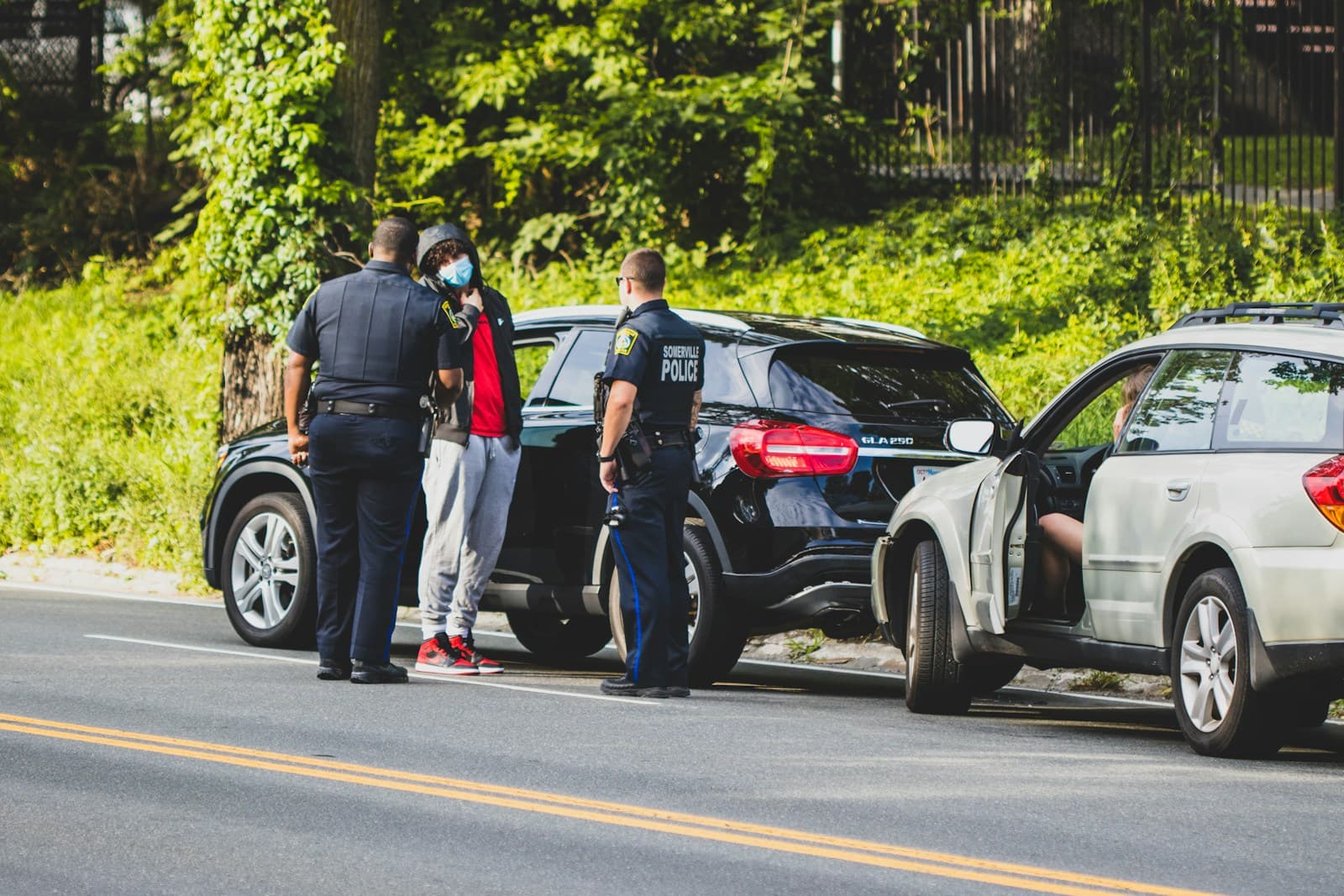
Salt Lake City Police and Utah Highway Patrol treat any stop outside your documented work or home zip code as grounds for investigation. If you are pulled over on 4700 South in Taylorsville and your employer is located in downtown Salt Lake City, you must demonstrate that the route serves your approved commute. Officers request your restricted license order, employer verification form, and current pay stub during the stop. If you cannot produce all three documents, you are cited for driving outside privilege and your license is revoked pending a compliance hearing.
Multiple work locations require separate employer verification forms for each site and separate approval from the court. If you work at two restaurants — one in Sugar House and one in West Valley City — your petition lists both addresses and both shift schedules. Driving to the West Valley location on a day your approved schedule lists the Sugar House site is a violation. Most drivers with variable work locations are advised to use public transit or rideshare on non-primary-location days rather than risk revocation.
What Happens If You Drive Outside Approved Hours or Routes
Driving outside your approved hours or routes under a Utah restricted license triggers two consequences: immediate citation for driving on a suspended license under Utah Code 53-3-227, and automatic revocation of your restricted driving privilege. The original suspension that triggered your hardship petition is reinstated from the original start date — if you were 90 days into a 120-day suspension and you violate at day 91, your suspension resets to day zero and you serve the full 120 days again plus an additional suspension period for the violation.
Salt Lake City municipal court and Third District Court treat restricted license violations as willful disregard of court order. The penalty is typically 90 days added to your original suspension, $750–$1,500 in fines, and permanent ineligibility for a second restricted license during the same suspension period. You do not get a warning. The officer issues a citation, confiscates your restricted license document, and your driving privilege ends at the stop.
Violations also extend your SR-22 filing requirement. Utah requires SR-22 for 3 years after reinstatement of full driving privilege. If your restricted license is revoked and your suspension is extended by 90 days, your SR-22 clock does not start until full reinstatement — meaning you may file SR-22 for 3 years and 3 months instead of 3 years. Carriers do not prorate SR-22 premiums for restricted license violations, so expect the same monthly SR-22 cost throughout the extended period.
SR-22 Requirement and Insurance Costs for Restricted License Holders
Utah requires SR-22 filing before the court issues a restricted license. You cannot be approved for hardship driving privilege without proof of SR-22 insurance submitted with your petition. The SR-22 must remain active during the entire restricted license period and for 3 years after your full license is reinstated. If your SR-22 lapses for one day — because you miss a payment, switch carriers without overlap, or cancel your policy — the court revokes your restricted license immediately and you start your suspension over.
SR-22 insurance premiums for restricted license holders in Salt Lake City typically run $140–$240 per month for minimum liability coverage (25/65/15 under Utah law). Carriers that write restricted license SR-22 policies in Utah include Dairyland, GAINSCO, Bristol West, The General, and Direct Auto. Progressive and GEICO write SR-22 in Utah but often decline restricted license cases or require 6-month prepayment. Expect quotes 90–150% higher than standard auto insurance due to the suspension violation and court-ordered filing.
The total cost to obtain and maintain a Utah restricted license for a 120-day period includes: $75 hardship petition filing fee, $65 SR-22 filing fee (one-time), $140–$240/month SR-22 premium for 4 months ($560–$960 total), $230 license reinstatement fee when your full privilege is restored, and $400–$800 in attorney fees if you hire representation for the hardship hearing. Budget $1,500–$2,300 total for a standard 120-day restricted license period in Salt Lake City. Estimates based on available industry data; individual costs vary by violation type, driving history, and coverage selections.
Application Process and Approval Timeline in Salt Lake City
You apply for a Utah restricted license through the district court that handled your DUI or suspension case — Third District Court for Salt Lake County. The process is court-driven, not DMV-driven. You do not apply at a Driver License Division office. The petition requires: completed hardship application form, $75 filing fee, employer verification on company letterhead with notarized signature, proof of SR-22 insurance, copy of your suspension notice, and documentation of any additional approved purposes (medical appointment letters, childcare provider statements).
Utah law allows restricted license petitions 30 days after your suspension begins. If you were convicted of DUI on March 1 and your suspension started March 15, you are eligible to file on April 15. The court schedules a hardship hearing 10–20 business days after you file. You appear in person, present your documentation, and the judge decides whether to approve, deny, or approve with additional conditions. Approval is not automatic — Salt Lake City judges deny 20–30% of first-time petitions due to incomplete employer verification, missing SR-22 proof, or failure to demonstrate hardship (you work from home, live on a bus line, or have alternative transportation available).
Once approved, the court issues a restricted license order (a printed document, not a physical license card). You carry this order with your suspended driver license whenever you drive. The restricted privilege begins the day the order is signed and expires on the date your full suspension ends. If your suspension was 120 days and you were approved on day 45, your restricted license runs 75 days. Most Salt Lake City restricted licenses are approved for 60–120 day periods.