You just received your Utah restricted license approval. Now comes the hard part: following approved hours and routes without a single violation that resets your entire timeline.
What Approved Hours Actually Mean on Your Utah Restricted License
Your Utah restricted license lists approved hours in one of two formats: fixed time windows (6 AM–6 PM Monday–Friday) or employer-shift-specific windows tied to your current work schedule. The distinction matters because fixed windows give you flexibility to change shifts without reapplying, while shift-specific approvals require a new hearing if your employer moves you from day to night shift.
Utah Driver License Division treats approved hours as absolute. If your license says 6 AM–6 PM and you're pulled over at 6:12 PM—even in your employer's parking lot—you're driving outside restriction. The stop triggers an automatic revocation report to DLD. Most officers will not issue a warning for restricted license violations because the violation is binary: you're either compliant or you're not.
The 15-minute grace period some drivers assume exists does not. Utah Administrative Code R708-46 gives enforcement officers no discretion on time-based restrictions. If you work a job with unpredictable end times—healthcare, food service, retail—request a two-hour buffer on your end time at your hardship hearing. Judges grant reasonable buffers when employment documentation supports the need.
How Route Restrictions Work in Practice (Not Just Your Employer Address)
Utah restricted licenses approve specific origin-destination pairs, not just your employer's street address. Your approval covers home to work, work to home, and—if you requested it—home to childcare to work. Each leg is a separate approved route. Stopping for gas, taking a detour to avoid construction, or using a different entrance to your workplace parking lot can all constitute route violations if the stop or deviation wasn't specifically approved.
DLD route restrictions are applied using the most direct route standard. Officers and hearing examiners interpret this as the shortest distance route by odometer, not the fastest route by time. If your commute is 8 miles on residential streets or 11 miles on the highway, the 8-mile route is your approved path unless you specifically argued otherwise at your hearing and it's documented in your order.
The most common first-week violation: stopping at a gas station or drive-through between work and home. Unless your restricted license order explicitly lists approved stops for fuel, food, or errands, every stop is a violation. Some drivers get approval for one specific gas station on their route. Others are denied stops entirely and must fuel up before or after approved driving hours at home. If your order is silent on stops, assume they're prohibited.
Compare car insurance rates in your state
Get quotes from licensed carriers — no obligation, no spam, results in minutes.
Get Your Free Quote✓ No Obligation Required✓ Licensed Carriers Only✓ Available Nationwide✓ Free to Compare
What Happens the Moment You Violate Your Restricted License Terms
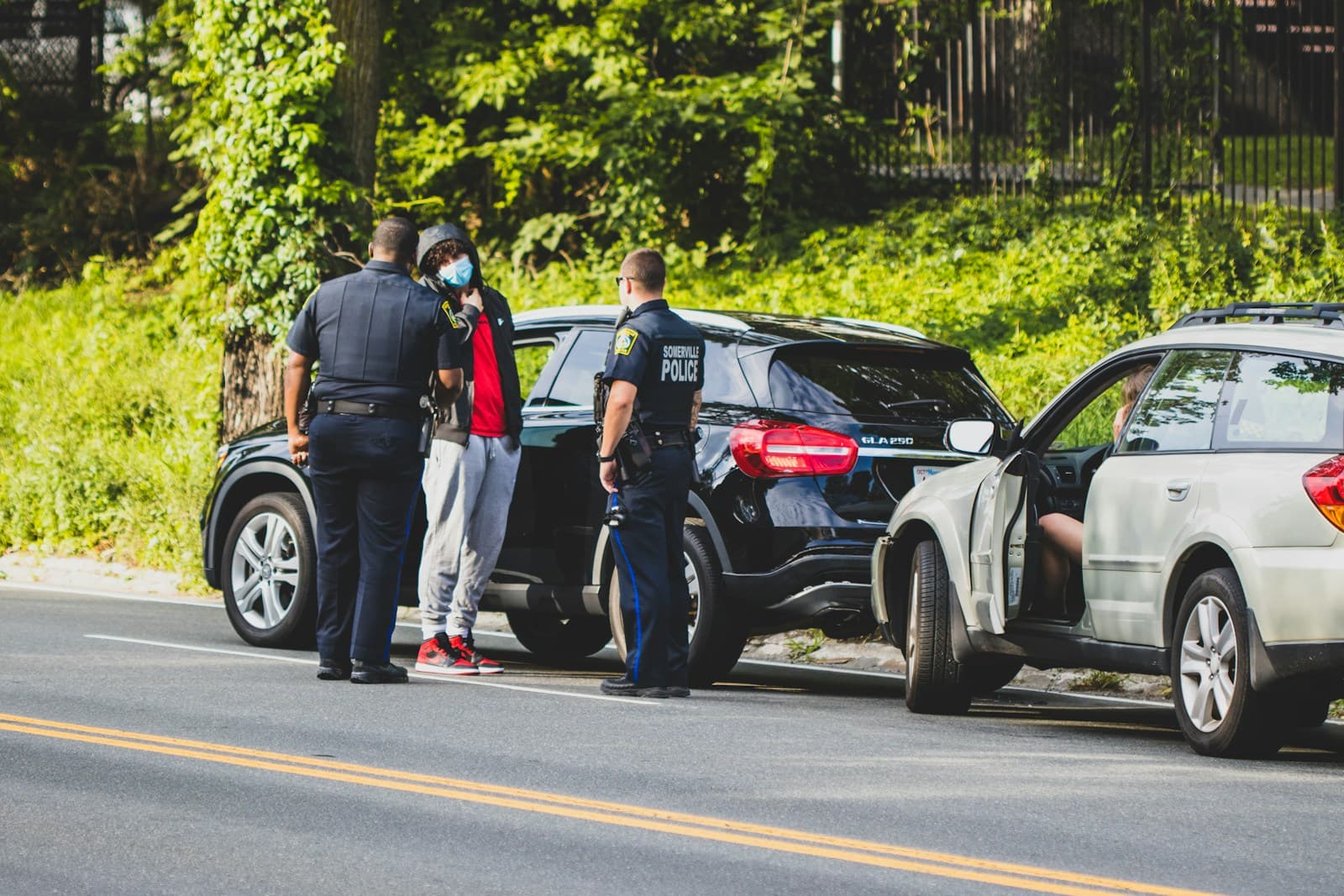
A restricted license violation in Utah triggers immediate revocation, not a warning or cure period. The officer who stops you will confiscate your license on the scene and issue a citation for driving outside restriction (Utah Code 41-2-136). DLD receives the violation report within 48 hours and your restricted privilege is terminated. You return to full suspension status.
The revocation restarts your eligibility waiting period for a new restricted license. If your original suspension was DUI-related and required 30 days served before restricted license eligibility, you now serve another 30 days from the violation date. If your suspension was for insurance lapse or multiple points, the restart period depends on your original suspension length—typically 30 to 90 days.
Utah does not offer a one-time violation forgiveness or hardship appeal for restricted license violations. The DLD Administrative Hearing Section treats the restricted license as a privilege granted under strict conditions. Violating those conditions proves you cannot comply, and the privilege is removed. Your only path forward is waiting out the new eligibility period, then reapplying with updated employer documentation and—often—proof of DUI education program completion if that was part of your original suspension.
SR-22 Insurance Requirements During Your Restricted License Period
Utah requires continuous SR-22 filing for the entire duration of your restricted license period and your full suspension period beyond it. If your original suspension was DUI-related, expect 3 years of SR-22 from conviction date. If it was insurance lapse, expect 3 years from reinstatement. The restricted license does not shorten your SR-22 timeline—it runs concurrently.
Your SR-22 policy must cover the vehicle you're driving under restriction. If you're driving a vehicle owned by your employer, you need non-owner SR-22 unless you're listed on the employer's commercial policy with an SR-22 endorsement filed under your name. Most employers will not add SR-22 endorsements to their commercial policies, which means you're buying non-owner SR-22 even if you don't own a car.
Expect to pay $85–$180/month for SR-22 insurance on a restricted license in Utah, depending on your violation type and driving history. DUI-related suspensions with restricted license land at the higher end. Carriers writing restricted license SR-22 in Utah include The General, Direct Auto, Acceptance, GAINSCO, and Dairyland. Not all non-standard carriers write restricted license policies—some exclude drivers with active court-ordered restrictions.
IID Requirements and Restricted License Interaction
If your Utah suspension was DUI-related, your restricted license approval is almost always conditional on ignition interlock device (IID) installation and compliance. Utah Code 41-6a-518.2 requires IID for any restricted driving privilege granted after DUI, refusal, or BAC-related suspension. The IID requirement runs separately from your restricted license approval—it's not lifted when your restricted license converts to full reinstatement.
Your IID provider reports all violations to DLD: failed starts, missed rolling retests, tampering, or circumvention attempts. A single failed start doesn't revoke your restricted license automatically, but a pattern of violations (3+ failed starts in 30 days or any tampering event) triggers a compliance review. DLD can revoke your restricted privilege and extend your IID requirement by 6–12 months.
IID costs run $75–$125/month in Utah: $75–$100 for device lease and monitoring, plus $100–$150 installation and $50–$75 removal. Combined with SR-22 premiums, total monthly cost for restricted license compliance is $160–$305 for most drivers. Budget for the full amount before your hardship hearing—judges want proof you can afford compliance before granting the privilege.
Employer Documentation and Job Loss During Restriction
Your Utah restricted license is valid only as long as your employer documentation remains accurate. If you lose your job, change employers, or your work hours shift outside your approved window, you must notify DLD within 10 days and request a modification hearing. Driving to a new job on your old restricted license—even if the hours and route are similar—is a violation.
If you lose your job entirely, your restricted license is suspended until you secure new employment and obtain a new hardship order. Utah does not allow restricted licenses for job searching. Some drivers misunderstand this and continue driving to interviews or temporary gigs under their old employer approval. Every trip is a violation once your employer documentation is no longer valid.
Modification hearings for new employer or schedule changes take 2–4 weeks to schedule. You cannot drive under restriction during that waiting period unless your new employer documentation fits perfectly within your existing approved hours and routes—a rare situation. Most drivers face a 2–4 week gap without driving privilege while waiting for the modification hearing. Plan for rideshare, carpool, or family transport during that window if you change jobs.
Converting from Restricted License to Full Reinstatement
Your Utah restricted license does not automatically convert to full reinstatement when your suspension period ends. You must apply for full license reinstatement separately, pay the reinstatement fee ($65 for most suspensions, $185 for DUI-related), and provide proof of SR-22 filing that covers the entire suspension period with no lapses.
DLD reviews your restricted license compliance history during reinstatement. If you had violations, failed IID tests, or gaps in SR-22 coverage during your restricted period, your reinstatement can be delayed or denied. Clean compliance during restriction makes reinstatement a procedural approval. Any compliance issues trigger a hearing where you must prove current compliance and explain past violations.
Your SR-22 requirement continues after full reinstatement. If your original suspension was DUI-related and required 3 years of SR-22, that clock runs from conviction date regardless of when you get full reinstatement. Most Utah drivers maintain SR-22 for 1–2 years after their license is fully reinstated. Dropping SR-22 before the required period ends triggers a new suspension and restarts the entire process.