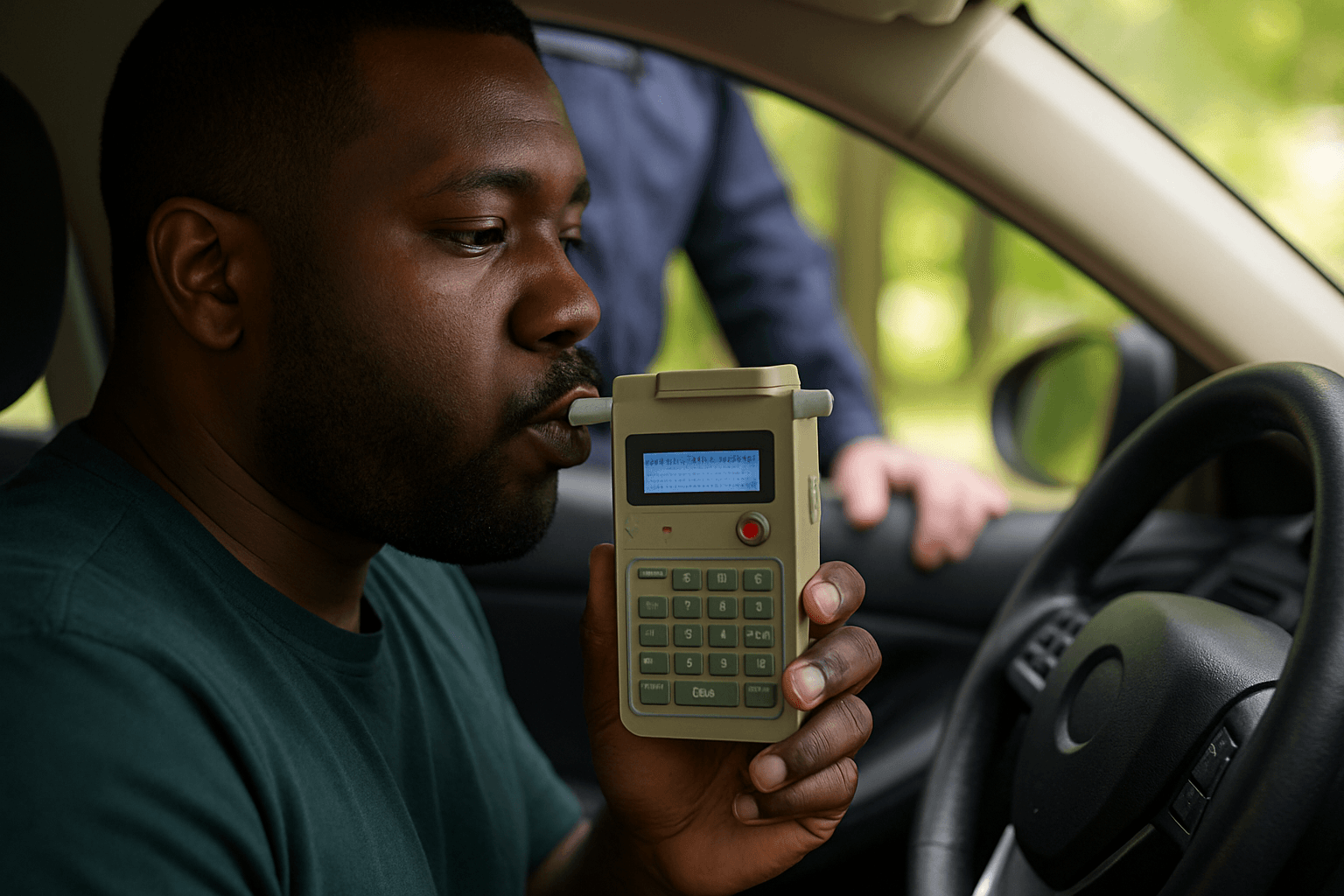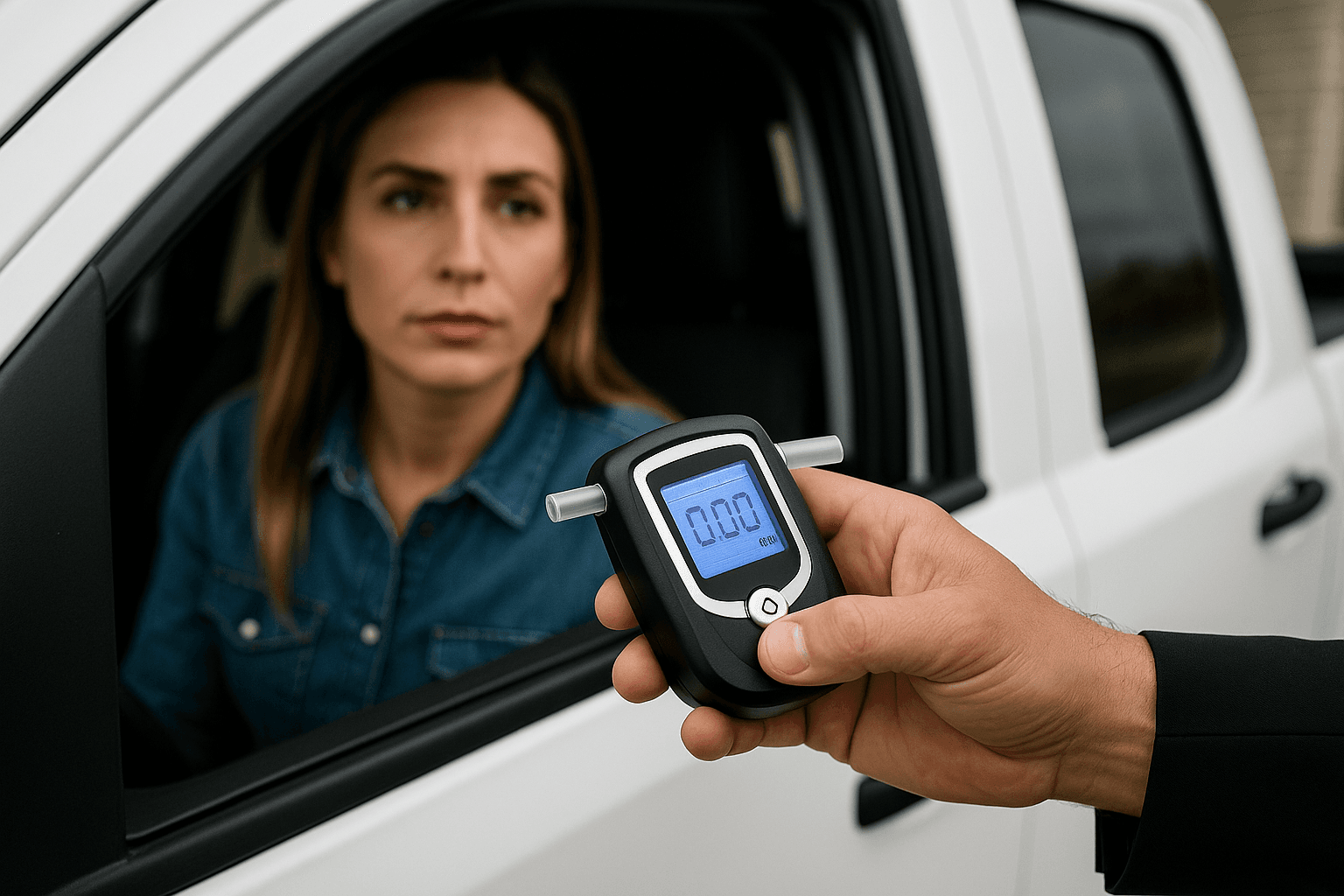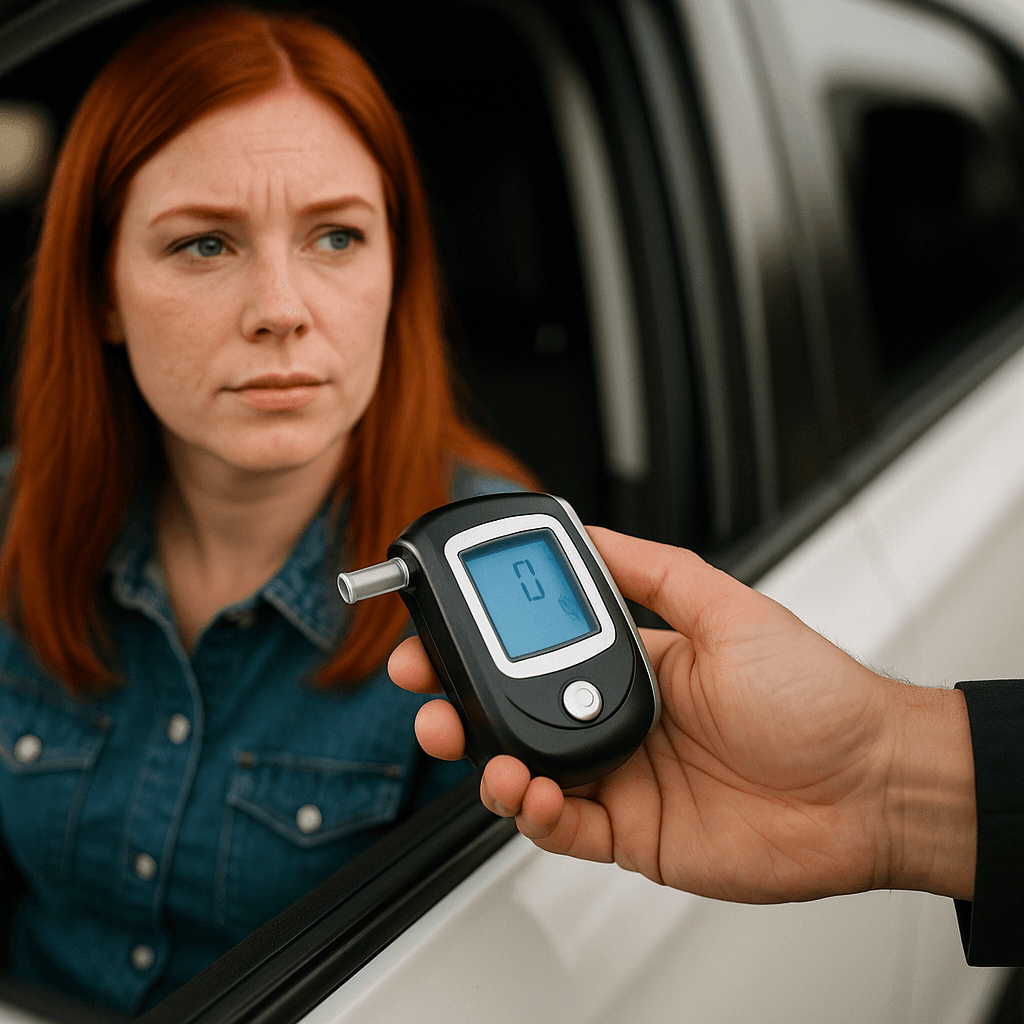
You're under 21, you blew .02% or higher in New York, and your license was just revoked. Here's how the conditional license process works for zero-tolerance violations and whether you qualify before your hearing.
What New York's Zero-Tolerance Law Does to Your License
New York Vehicle and Traffic Law 1192-a makes it illegal for drivers under 21 to operate a vehicle with a BAC of .02% to .07%. This is not a criminal charge — it's a civil violation processed through DMV, not criminal court. Your license is revoked for one year on a first offense, and the revocation begins immediately when DMV processes the arrest report.
The revocation is separate from any criminal DUI charge you may also face. If your BAC was .08% or higher, you'll be charged criminally under VTL 1192-2 or 1192-3 in addition to the zero-tolerance civil action. The two processes run on parallel tracks: criminal court for the DUI, DMV administrative hearing for the zero-tolerance revocation.
DMV schedules a refusal or revocation hearing within 15 days of your arrest. This hearing determines whether the civil revocation stands. You cannot drive legally between your arrest and this hearing unless you obtain a conditional license — and zero-tolerance cases face different conditional license eligibility rules than standard DUI cases.
When You Can Apply for a Conditional License Under Zero-Tolerance
You cannot apply for a conditional license until after your DMV refusal/revocation hearing for a zero-tolerance violation. This is the critical timing difference between zero-tolerance and adult DUI cases. Adult drivers charged with DWAI (.05–.07% BAC) or DUI (.08%+) can apply for conditional privileges immediately after arraignment. Zero-tolerance violators must wait.
The hearing typically occurs 7–15 days after your arrest. If the hearing officer upholds the revocation, you become eligible to apply for a conditional license the same day. If you had a chemical test refusal on top of the zero-tolerance violation, your revocation period extends to one year, and conditional license eligibility is delayed until after the hearing.
Once eligible, you apply through your local DMV office. You'll need proof of enrollment in the Drinking Driver Program (DDP), an Application for Conditional License (form MV-1020), and payment of the $75 conditional license fee plus a $100 civil penalty assessment. The conditional license allows driving to and from work, school, medical appointments, DDP classes, and court-ordered obligations.
Compare car insurance rates in your state
Get quotes from licensed carriers — no obligation, no spam, results in minutes.
Get Your Free Quote✓ No Obligation Required✓ Licensed Carriers Only✓ Available Nationwide✓ Free to Compare
SR-22 Requirement and Insurance After Zero-Tolerance Revocation
New York does not use SR-22 certificates. The state requires high-risk drivers to carry an FS-1 form filed by their insurance carrier with DMV, but zero-tolerance violations under VTL 1192-a do not trigger mandatory FS-1 filing in most cases. FS-1 is reserved for repeat offenses, certain DUI convictions, and serious moving violations.
Your bigger insurance problem is finding a carrier willing to write you a conditional license policy. Most standard carriers will not insure a driver under 21 with a revocation on record. You'll need a non-standard carrier: companies like GAINSCO, Direct Auto, Dairyland, Bristol West, or Safe Auto specialize in high-risk young drivers and conditional license cases.
Expect premiums between $350 and $600 per month for liability-only coverage under a conditional license. Full coverage, if you can get it, will run $500–$800/mo. The premium reflects your age, the revocation, and the restricted license status. You cannot drive the conditional license legally without active insurance coverage, and a lapse cancels the conditional privilege immediately.
Conditional License Restrictions and Violation Consequences
Your New York conditional license restricts you to approved purposes only: employment, education, medical care, court appearances, DDP attendance, and care of a household member. You must carry documentation proving your destination falls within an approved category — employment letter, school enrollment, medical appointment confirmation.
Driving outside approved hours or purposes is Aggravated Unlicensed Operation in the Third Degree (AUO-3), a misdemeanor. AUO-3 carries up to 30 days in jail, a $200–$500 fine, and immediate revocation of your conditional license. Your underlying one-year revocation period continues, but you lose the conditional privilege permanently for that revocation cycle.
The conditional license remains valid until your full license is eligible for reinstatement. For a first zero-tolerance offense, that's one year from the effective revocation date. You'll need to complete the DDP, pay a $100 re-application fee, and re-take the written and road tests before DMV will restore your full license.
Drinking Driver Program Enrollment and Conditional License Approval
You cannot receive a conditional license without proof of enrollment in an approved Drinking Driver Program. New York requires completion of a seven-week DDP course that includes classroom sessions, screening, and victim impact panels. The program costs $225–$300 depending on the county.
Enrollment must occur before your conditional license application is processed. Most DMV offices will not accept your MV-1020 form without a DDP acceptance letter attached. You do not need to complete the program before receiving the conditional license — enrollment is enough — but you must finish the program before your full license can be reinstated.
Missing a single DDP session without prior approval terminates your enrollment and revokes your conditional license. You'll need to re-enroll, pay the course fee again, and restart the seven-week cycle. The conditional license will not be reissued until you show proof of re-enrollment.
Cost Breakdown: Zero-Tolerance Revocation and Conditional License
The full cost of navigating a zero-tolerance revocation with conditional license privileges runs $2,800–$4,200 in the first year. Here's the breakdown: $75 conditional license application fee, $100 civil penalty, $225–$300 DDP enrollment, $100 license reinstatement fee, $4,200–$7,200 in non-standard insurance premiums over 12 months at $350–$600/mo, and $500–$1,200 in attorney fees if you contest the revocation hearing.
This does not include any criminal DUI costs if your BAC was .08% or higher. Criminal DUI adds court fines ($500–$1,000), a mandatory Impaired Driver Program ($250–$400), possible probation fees, and higher insurance surcharges that extend 3–5 years beyond the revocation period.
The insurance premium is the largest line item. Most drivers underestimate how long the rate increase lasts. A zero-tolerance revocation appears on your driving record for four years in New York, and carriers surcharge for the full period even after your license is reinstated.
How This Differs From Adult DUI Conditional License Rules
Adult drivers arrested for DWAI or DUI in New York can apply for a conditional license immediately after criminal arraignment. Zero-tolerance violators cannot. You must wait until after your DMV revocation hearing, which delays conditional driving privileges by 7–15 days minimum.
Adult DUI cases also allow for a 30-day hardship waiver in certain counties if the driver can prove extreme hardship. Zero-tolerance cases do not qualify for hardship waivers. The one-year revocation is mandatory, and conditional privileges are the only legal driving option during that period.
Chemical test refusal penalties are also harsher for under-21 drivers. An adult DUI refusal results in a one-year revocation. A zero-tolerance refusal results in a one-year revocation plus a $500 civil penalty and delayed conditional license eligibility until after the refusal hearing is completed.